

The United States has again found a way to turn diplomacy into a hard business deal. A new draft charter sent to about 60 countries shows Washington asking nations to pay serious money to stay relevant in a proposed global peace group. At the centre of it all is a clear demand: pay up to stay in, or risk being shown the door.
What the Proposal Is Really Saying
According to the draft document, countries can only be members of this so-called peace board for three years. After that, renewal is not automatic. It depends on the approval of the chairman.
But there is a loophole, and it is not small. Any country that pays more than one billion dollars in cash within the first year will not be bound by the three-year limit. In simple terms, money buys stability, influence, and long-term access.
Peace With a Price Tag
The idea of global peace bodies is not new. What is new is putting a clear price tag on influence. Traditionally, global organisations rely on shared values, negotiated contributions, and long-term commitments. This proposal flips that model.
Here, peace is not just about cooperation. It is about who can afford to stay seated at the table.
Many diplomats quietly worry that this creates two classes of members: those with money and those without. The richer nations gain continuity and power, while poorer ones rotate in and out, always uncertain about their future role.
Power Concentrated at the Top
Another troubling part of the charter is the role of the chairman. Membership renewal depends on the chairman’s approval. That gives enormous control to one office.
When combined with the money clause, it creates a system where power flows upward and outward, not evenly across member states. Critics say this risks turning the group into a tool of influence rather than a neutral peace platform.
Why Countries Are Uneasy
Many of the 60 countries receiving the draft are developing nations. For them, one billion dollars is not just expensive, it is unrealistic. Even for richer countries, paying such a sum for influence sets a dangerous example.
There is concern that global cooperation is slowly being reshaped into a marketplace. If peace bodies begin to work like exclusive clubs, trust in international systems will weaken.
And once trust is lost, peace becomes harder, not easier, to achieve.
A Business Mindset in Diplomacy
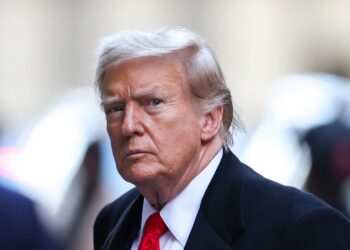
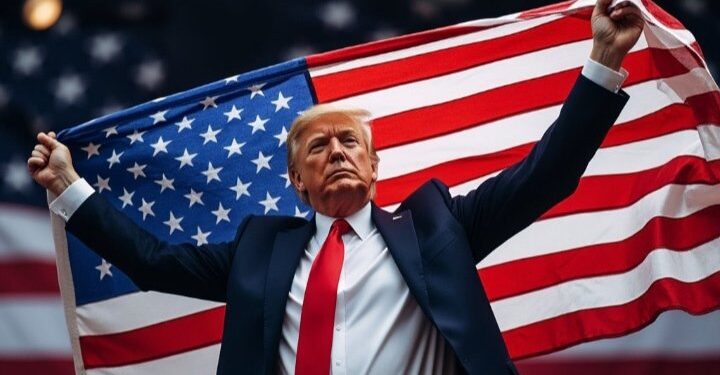
This proposal fits a wider pattern in U.S. foreign policy under Trump. Deals, payments, leverage, and direct financial commitments are often placed above long negotiations or shared responsibility.
Supporters argue this forces seriousness and commitment. Critics argue it sidelines fairness and shared global responsibility.
Is this about commitment to peace, or about who can afford influence?
What Happens Next
The charter is still a draft. Countries can object, negotiate, or refuse to join. But the message has already landed. The United States is setting the tone early and clearly.
If adopted as written, this model could reshape how future global groups are formed. Money would no longer just support peace efforts. It would define who gets to stay.