
The human cost of the U.S. operation to seize Venezuelan President Nicolás Maduro has taken a dramatic and inflammatory turn, with the Cuban government announcing that 32 of its nationals—soldiers and intelligence officers—were killed during the assault, transforming the raid into a potential flashpoint for a wider regional conflict.
In a terse statement that declared two days of national mourning, Cuba confirmed its citizens died providing “protection to Maduro and his wife at the request of Venezuela.” The official communiqué painted a scene of heroic last stands, stating the Cubans “fell, after fierce resistance, in direct combat against the attackers or as a result of bombings on the facilities.” The revelation exposes the depth of Havana’s military and security entanglement with Caracas, a long-standing alliance where Cuba provides personnel in exchange for vital Venezuelan oil.
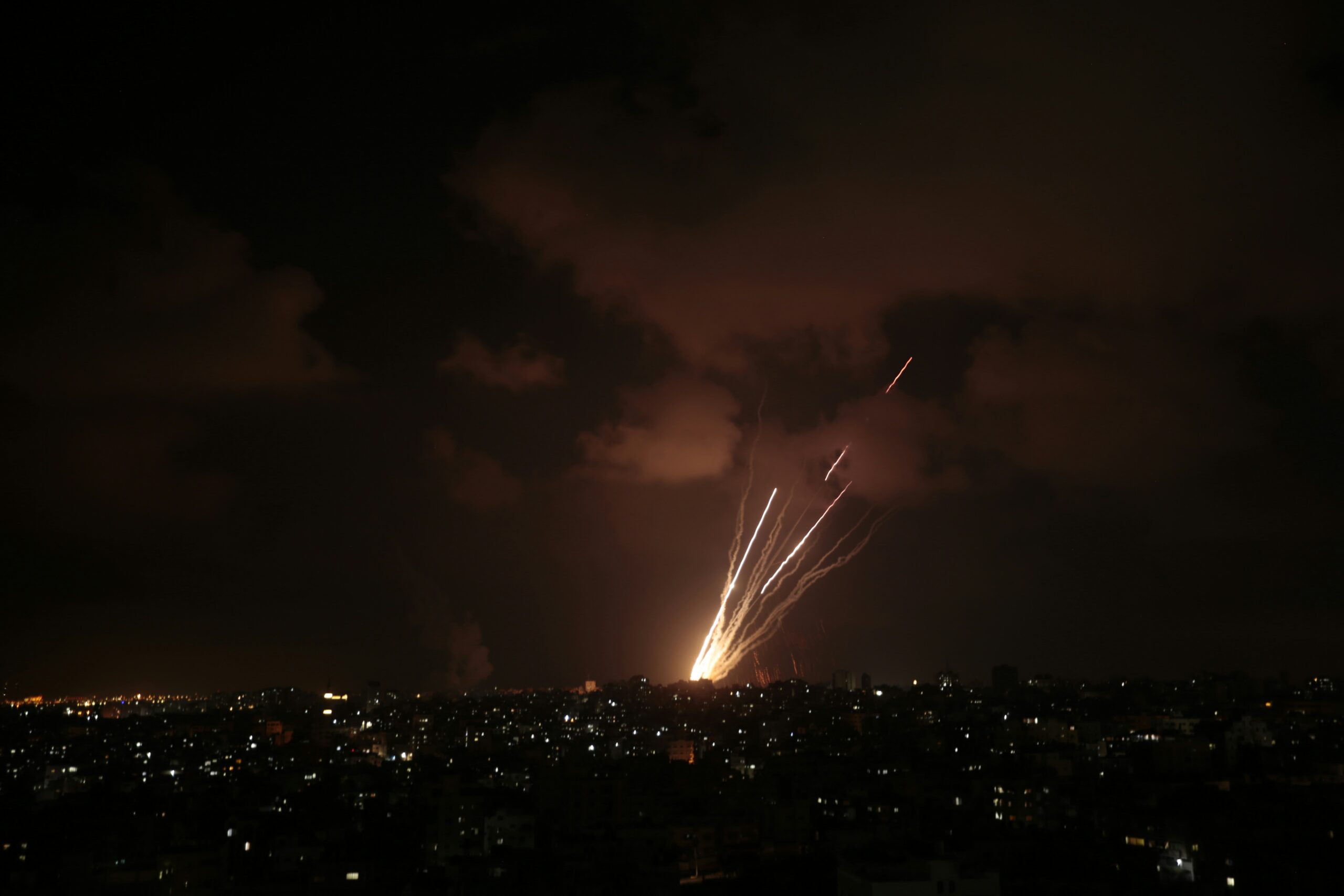
While Venezuela has not released an official casualty count, the scale of the violence suggested by the Cuban deaths is staggering. The New York Times, citing an unnamed Venezuelan official, reported that the overall death toll from the raid may be as high as 80 and is expected to rise, a figure the BBC has not independently verified. If accurate, it indicates the U.S. operation was a far bloodier confrontation than initially disclosed, involving significant combat with Cuban and Venezuelan forces guarding the presidential compound.
Trump’s Taunt: “Cuba is ready to fall”
The killing of dozens of Cuban personnel immediately raised the specter of a dangerous escalation. Yet, when asked if the U.S. would consider a similar operation against Cuba itself, President Donald Trump dismissed the need for military action with a characteristically blunt taunt. “Cuba is ready to fall,” Trump told reporters on Sunday. “I don’t think we need any action. Looks like it’s going down. It’s going down for the count.”
His Secretary of State, Marco Rubio, amplified the pressure, describing Cuba as a “disaster” run by “incompetent, senile men,” and warning officials in Havana should be “concerned.”
A Long History of Strangulation
The rhetoric continues a policy of maximum pressure that Trump has enforced since his first term. In July of last year, he reversed his predecessor’s easing of restrictions, signing a memorandum to end “economic practices that disproportionately benefit the Cuban government… at the expense of the Cuban people” and tightening the six-decade-old U.S. embargo—a policy the United Nations has repeatedly called to end.
The death of 32 Cuban fighters on Venezuelan soil is no mere footnote. It is a direct, lethal blow to a key U.S. adversary and a stark demonstration of the “collateral damage” in Trump’s muscular foreign policy. For Havana, it is a moment of profound national loss and a clear warning. For Washington, it is proof that toppling one regime meant battling another, posing a vital question: in the gamble to remove Maduro, has the U.S. just ignited a much wider and more volatile conflict?