Uganda is preparing to enter the global oil market, with the East African country planning to export its crude oil for the first time in December and gradually increase production to 230,000 barrels per day within three years.
The country, better known for exports such as coffee, gold and cocoa beans, is now preparing to market its locally produced crude to international buyers.
Uganda’s energy minister and senior government officials are expected to promote the country’s new Pearl Sweet crude at the Asia Pacific Petroleum Conference organised by S&P Global Energy in Singapore this week.
Proscovia Nabbanja, Chief Executive Officer of the Uganda National Oil Company, said on Tuesday that Pearl Sweet would be benchmarked against Brent crude.
The crude is described as medium-to-heavy and low in sulphur and is expected to initially come from the Kingfisher oil field operated by China’s CNOOC Ltd.

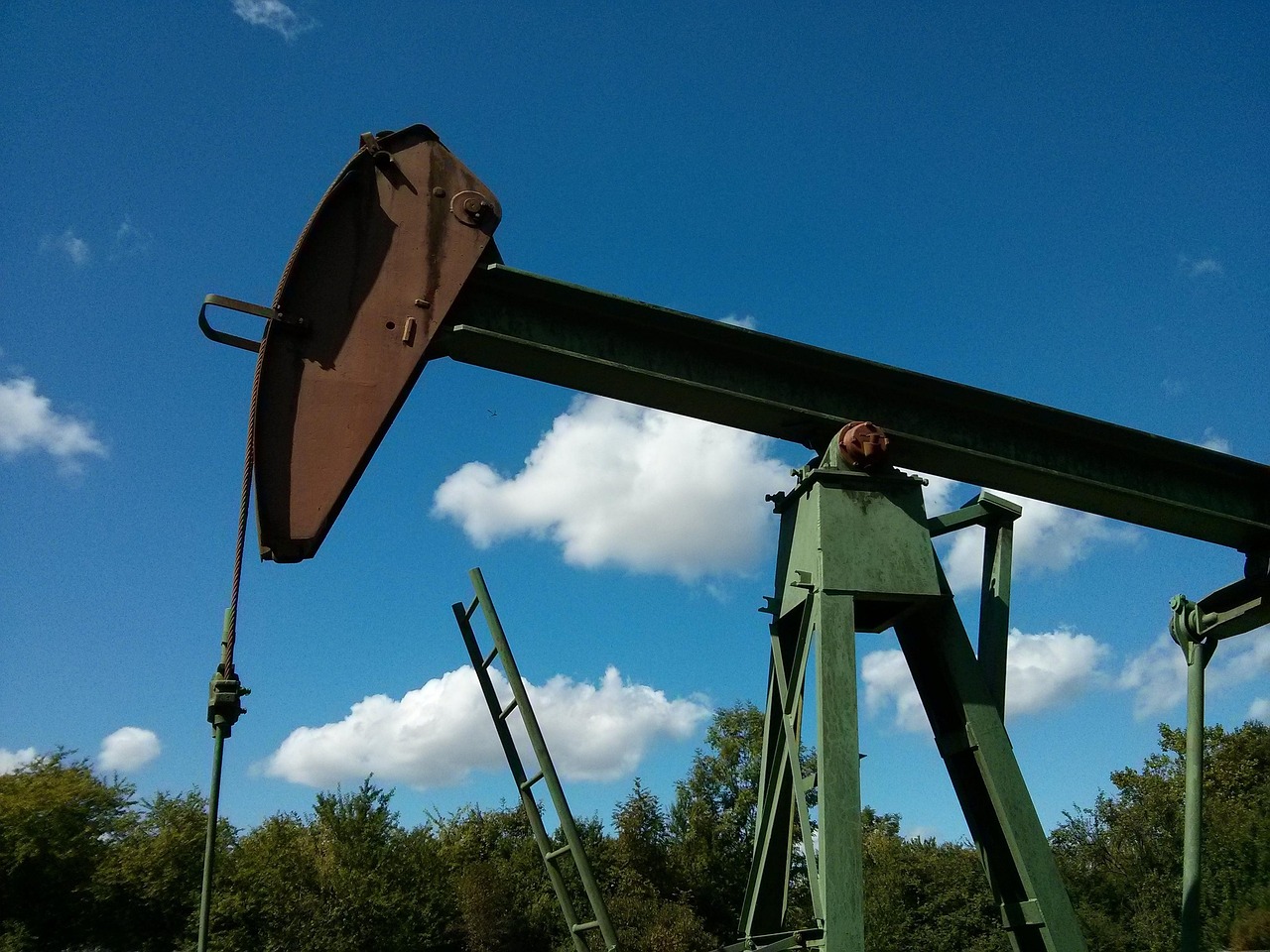
Production from Kingfisher is scheduled to reach 25,000 barrels per day from December. Irene Pauline Batebe, Permanent Secretary at Uganda’s Energy Ministry, said output could rise to 40,000 barrels per day within six months.
Uganda’s larger Tilenga oil development, operated by TotalEnergies SE, is expected to commence production during the first quarter of 2027.
The Ugandan government has selected global oil trader Vitol Group to market the country’s crude internationally.
EACOP To Transport Uganda’s Crude
Once produced, the crude will be transported through the East African Crude Oil Pipeline (EACOP), a 1,500-kilometre pipeline linking Uganda’s oil-producing region to Tanzania’s port of Tanga.
EACOP is designed to transport Uganda’s waxy crude at temperatures of about 50 degrees Celsius to prevent it from solidifying during transportation.
The pipeline will have the capacity to carry up to 230,000 barrels of crude per day, matching Uganda’s projected production target.
The infrastructure is central to Uganda’s plan to develop its estimated 6.5 billion barrels of crude reserves and generate economic benefits from oil exports.
The $5.6 billion pipeline is being developed as a joint venture led by TotalEnergies, alongside the Uganda National Oil Company, Tanzania Petroleum Development Corporation and China’s CNOOC.
Tanzanian officials said the project has already generated approximately 50 billion Tanzanian shillings ($19.5 million) through taxes, levies and construction-related fees.
However, EACOP has also faced opposition from environmental and human rights groups, as well as some communities affected by the project.
A legal challenge against the pipeline was funded through donations from more than 40,000 people and coordinated by global campaign group Avaaz.
The organisation described the lawsuit as “one final chance to stop one of the worst oil pipelines on the planet.”
The legal action argues that the 1,443-kilometre, or 897-mile, pipeline could threaten water resources, wildlife habitats, biodiversity and protected ecosystems while increasing climate-related risks.
Despite the controversy surrounding the project, Uganda is moving ahead with plans to begin crude exports and establish itself as a new oil supplier in the international market.