Almost half of UK voters want Britain to rejoin the European Union, and backing that position could boost Labour’s vote share by as much as seven percentage points, according to a new megapoll.
The poll by the Messina Group surveyed 11,461 people between September 12 and 24 on seven different options for the UK’s relationship with the EU. The most popular option was rejoining, with 49% in favour and 28.5% against.
The findings will bolster those inside Downing Street who want to promise at the next election that Labour would at least negotiate over re-entry — something Prime Minister Andy Burnham has said he wants to see “in his lifetime.”
What the Poll Found
The second most popular option was keeping the existing relationship but cutting as many trade barriers as possible — the government’s current “reset” approach — supported by 48.2%. A customs union came next at 47.1%. Joining the single market and associate membership were virtually tied at 45.1% and 45.5%. Sticking with the existing relationship was backed by 42%, while moving further away from the EU was supported by only 27.9%.
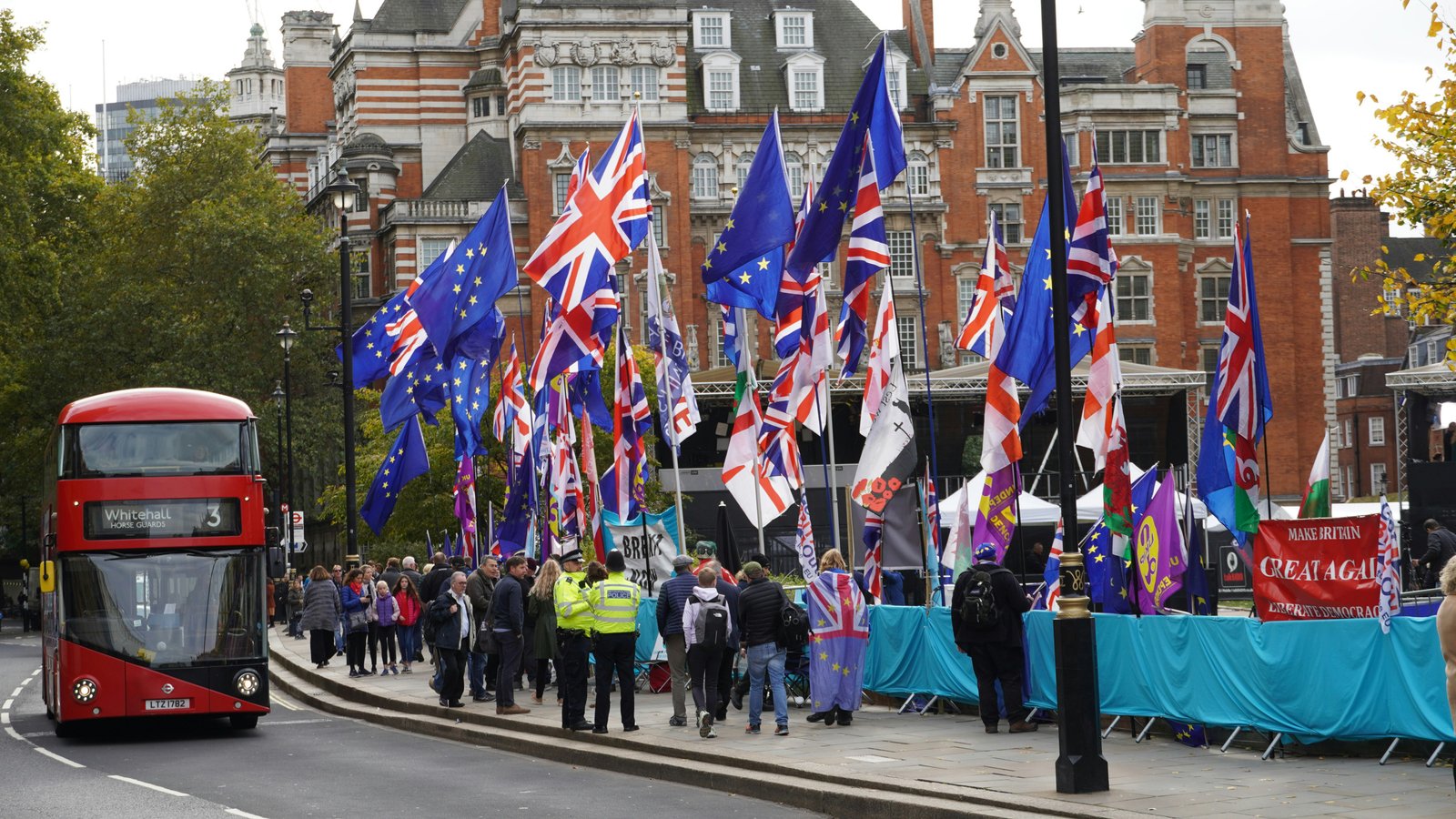
A plurality of voters — 25.9% — said they wanted the UK to rejoin the EU immediately. Another 22.9% said it should happen within three years. Nearly a quarter — 23% — said they did not want a closer relationship at all.
More than two-thirds of voters said trading with the EU was more important than trading with the US or China. Four in five want to keep the pound. A majority — 53.4% — want to stay in the European Court of Human Rights.
The Political Impact
TMG tested how each option would affect Labour’s vote share and found it went up by between 4.3 and 7.4 percentage points for all scenarios resulting in closer ties. Most of those votes would come from the Greens and Liberal Democrats.
Burnham used his first Labour conference speech as leader on Tuesday to announce a review of the options for Britain’s future relationship with Europe. He subsequently added that these should include rejoining entirely.
The Cabinet Divide
However, there are nerves among some Labour MPs, particularly those representing constituencies that voted for Brexit. Two-thirds of cabinet ministers, including Burnham himself, represent seats that backed leaving the EU in 2016.
Before Burnham’s speech, several ministers had publicly cautioned against the move. Deputy leader Lucy Powell said going beyond existing reset plans was “not possible nor desirable.” Home Secretary Shabana Mahmood said rejoining was “not a simple, straightforward thing.”
One cabinet minister told the Guardian: “Brexit clearly hasn’t worked and the promises made haven’t been kept so Andy is right to open up the question of what the future relationship looks like. But he definitely needs to proceed with caution because we don’t want to restoke division.”
The Farage Factor
Some inside Downing Street are nervous that promising to renegotiate entry could revive the political fortunes of Reform UK leader Nigel Farage, who said on Thursday that Burnham had given him “the biggest boost in my career” by reviving the Brexit debate.
The poll found that 52.4% of people think the UK was wrong to leave the EU, while 29.7% think it was right. On whether Brexit had been a success or failure, 54.9% said failure, while only 12.2% said success.
The Bottom Line
A new megapoll finds that half of UK voters want to rejoin the EU. Backing re-entry could boost Labour’s vote share by up to seven points. Prime Minister Andy Burnham has announced a review of options including full re-entry. But the cabinet is divided, with ministers from Brexit-voting constituencies urging caution. Nigel Farage says the debate has given him a political boost.
My Opinion
Brexit was sold on promises that were never kept. The NHS was supposed to get £350 million a week. Trade deals were supposed to be easy. Immigration was supposed to come down. None of it happened. And now, a decade later, the polling shows what most people already knew: Brexit has failed.
The numbers are striking. Half the country wants to rejoin. More than 54% call Brexit a failure. Only 12% call it a success. Those are not marginal numbers. They are a verdict.
But the politics are complicated. Burnham is right to open the question. He is also right to be cautious. The constituencies that voted to leave are not going to change their minds overnight. And every time a politician says the word “rejoin,” Nigel Farage gets a headline. The risk of restoking the divisions of 2016 is real.
The answer is not to avoid the debate. It is to frame it honestly. This is not about relitigating the past. It is about the future. The EU is Britain’s largest trading partner. The world is more dangerous than it was ten years ago. The case for closer ties is stronger now than it has ever been. Burnham does not need to call it “rejoin” if that word scares people. He just needs to make the argument.