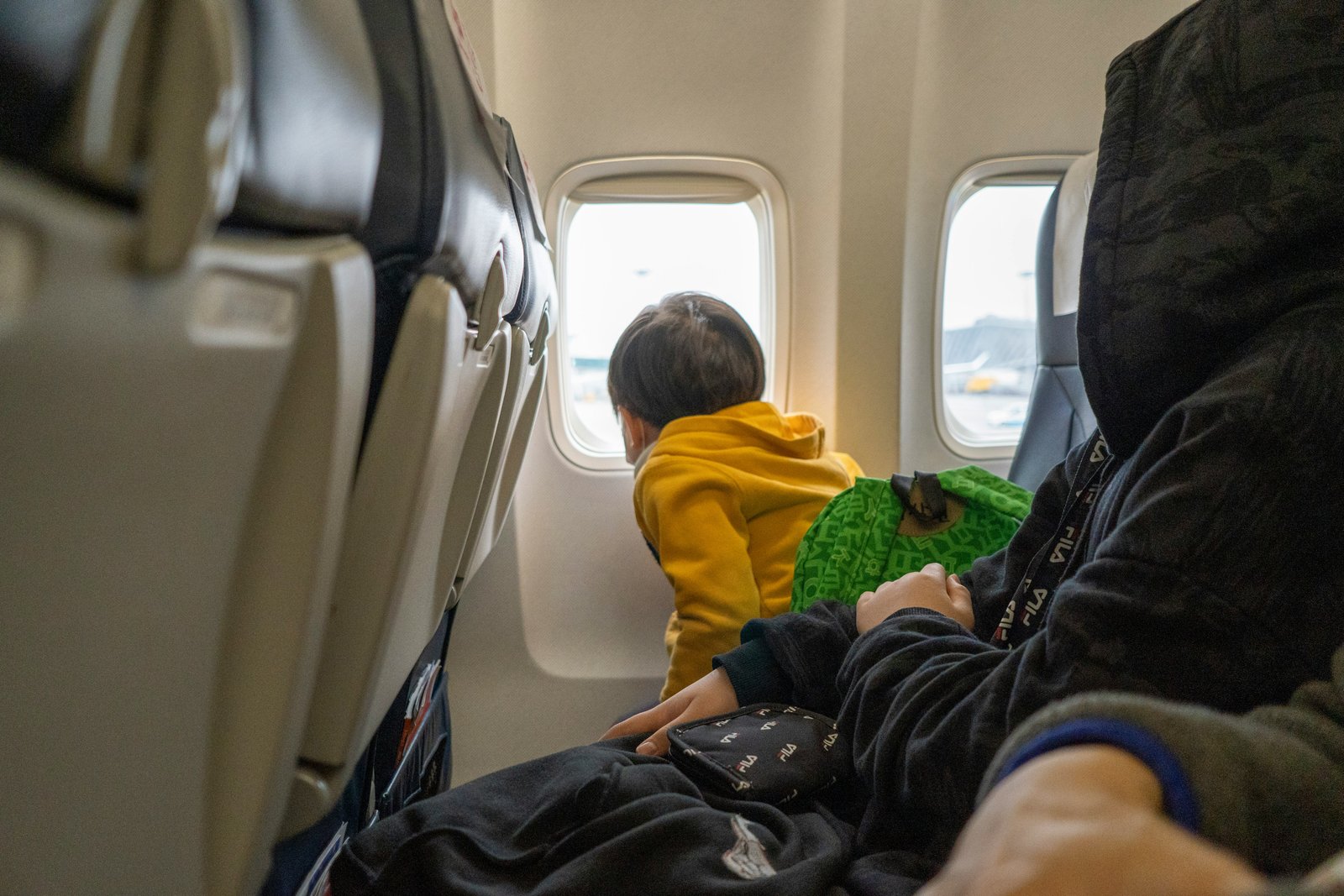

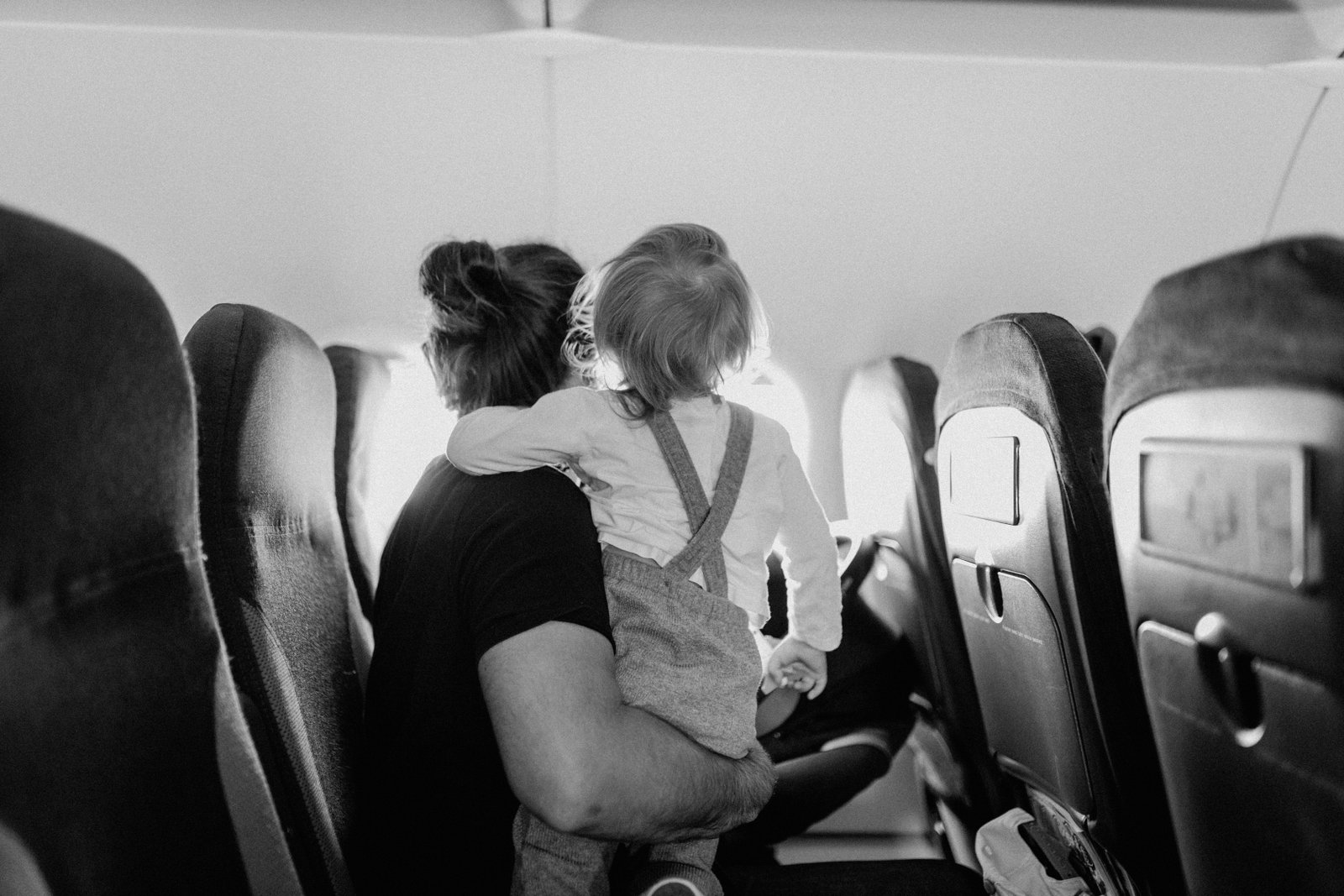
The UK government says it will ensure parents cannot be charged for sitting next to their children on planes if new powers get approval in Parliament.
If the Civil Aviation Bill gets approved by MPs, the Department for Transport says it will consult on scrapping any charges for being seated next to children under the age of 14 or correcting minor errors on flight bookings.
While acknowledging most UK airlines already offer protections against hidden costs, the government said its proposed reforms would provide greater consistency across all airlines operating in the country.
The Costs
The DfT says it can currently cost £104 for a parent and child to sit together on a return journey, while small mistakes or admin tweaks can cost passengers up to £40.
Prime Minister Andy Burnham has said the proposed rule changes are part of a crackdown on the “little charges that add up” when families plan their holiday trips.
“Parents should not have to feel the pinch just to sit next to their child on a flight, or for amending a simple booking error,” said Transport Secretary Heidi Alexander.
The Airlines’ Response
Trade body Airlines UK said minor name corrections are already allowed free of charge, while airlines including easyJet and Ryanair have denied that extra fees exist.
Ryanair said “no such extra fees exist” and accused Alexander of “pretending to do something while in reality doing nothing.” The airline’s CEO Michael O’Leary said this “is not an ‘everyday fix’ it’s just ‘everyday spin’ from a Govt that keeps raising taxes on air travel for UK families and visitors.”
An easyJet spokesperson similarly said they and other UK airlines “already offer free changes for spelling mistakes and we have never forced parents and children to pay to sit together.” The airline noted the only change under the government’s proposal is moving the age of children included in the current rules from 12 to 14.
The Consumer View
Rory Boland, editor of consumer magazine Which? Travel, said it was “clearly unfair to force parents and children as young as three to pay an extra fee just to sit together.”
“Airlines that have separated families are putting profit ahead of passenger peace of mind,” he said.
In June, Ryanair changed its family seating policy to allow parents to sit next to their young children without paying a seat reservation fee. It followed an investigation by the Competition and Markets Authority into whether the airline’s policy was unfair under consumer law.
The Broader Bill
The raft of changes — which are still going through Parliament — include a new system for sharing information on persistently disruptive passengers. The government says that in 2025 more than 1,000 serious disruptive passenger incidents were logged by airlines, including a mid-air brawl that resulted in a flight being diverted.
Alexander said everyone deserved to travel knowing their flight would not be disrupted by “bad behavior from a small minority.”
The Bottom Line
The UK government is moving to ban charges for parents sitting next to children under 14 on flights. Airlines deny such fees exist and accuse ministers of political spin. The proposal would also cover minor booking corrections. The changes are part of the Civil Aviation Bill, which also includes measures to crack down on disruptive passengers.
My Opinion
The airlines say these fees do not exist. That is a bold claim from companies that have spent years charging parents extra to sit with their own children. Ryanair only changed its policy in June after the competition watchdog opened an investigation. Before that, families were paying £8 each way just to avoid being separated.
The government’s proposal is sensible. If you can book a seat, you should be able to book one next to your child without paying a penalty for the privilege. The fact that airlines are now claiming they never did this proves how effective the bad publicity has been. If the fees truly did not exist, Ryanair would not have changed its policy in June.
That said, the bill is doing what it should have done years ago. The UK has a habit of letting airlines police themselves and then acting surprised when they prioritise profit over passengers. The airline industry is not a charity. It is a business. And businesses will charge whatever the market will bear until a regulator tells them to stop.