

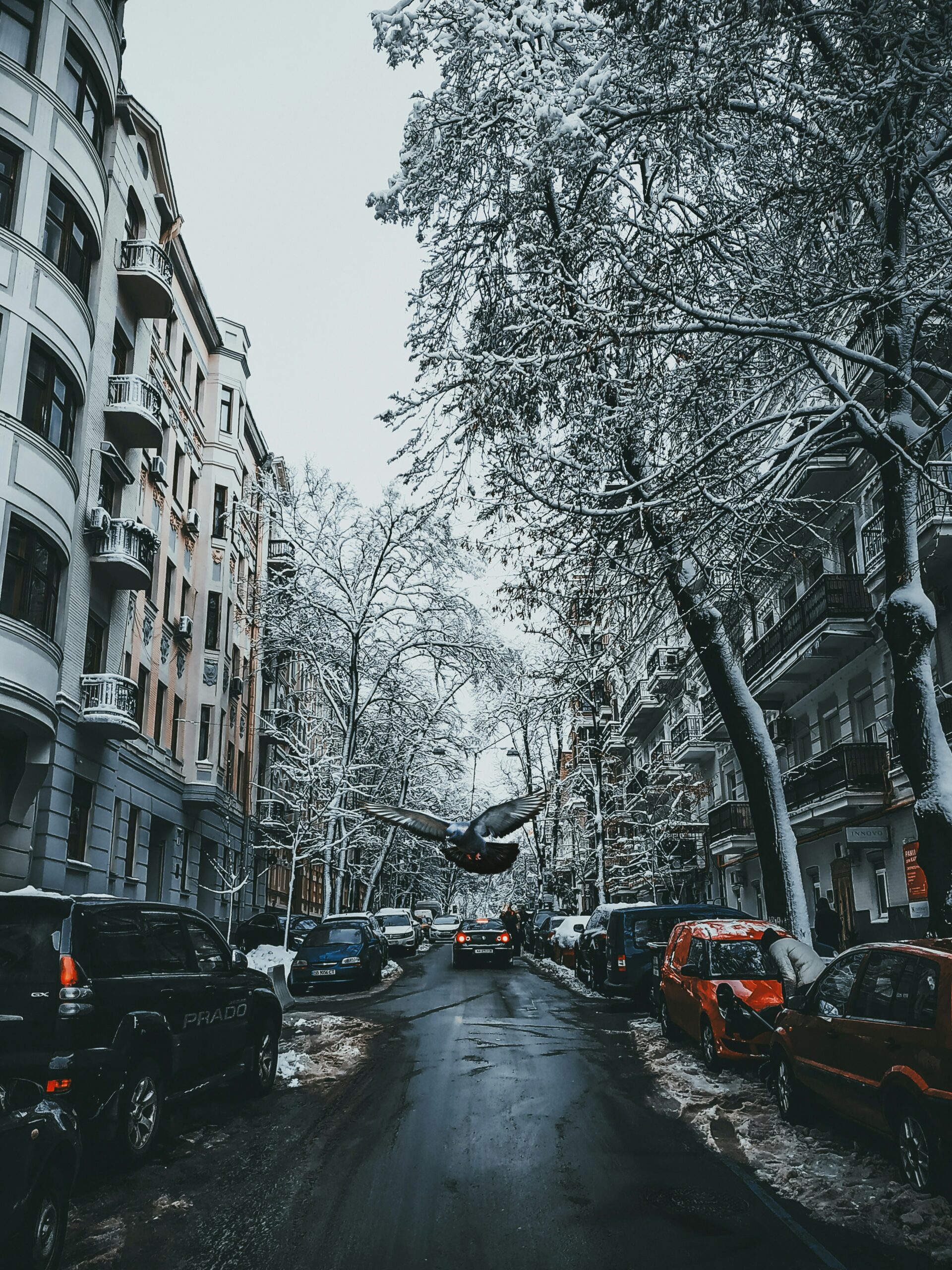
Ukraine Faces Darkest Winter as Russia Targets Power, leaving millions of citizens struggling with freezing temperatures and limited electricity. The country is currently able to meet only about 60% of its energy needs after a fresh wave of Russian missile and drone attacks hit critical power infrastructure. President Volodymyr Zelenskiy declared an energy emergency this week, highlighting the severe strain on the nation’s electricity grid during one of the coldest winters in recent memory.
The relentless attacks are compounded by nearly four years of ongoing conflict damage and a prolonged cold snap, leaving thousands of homes unheated and in darkness across the country.
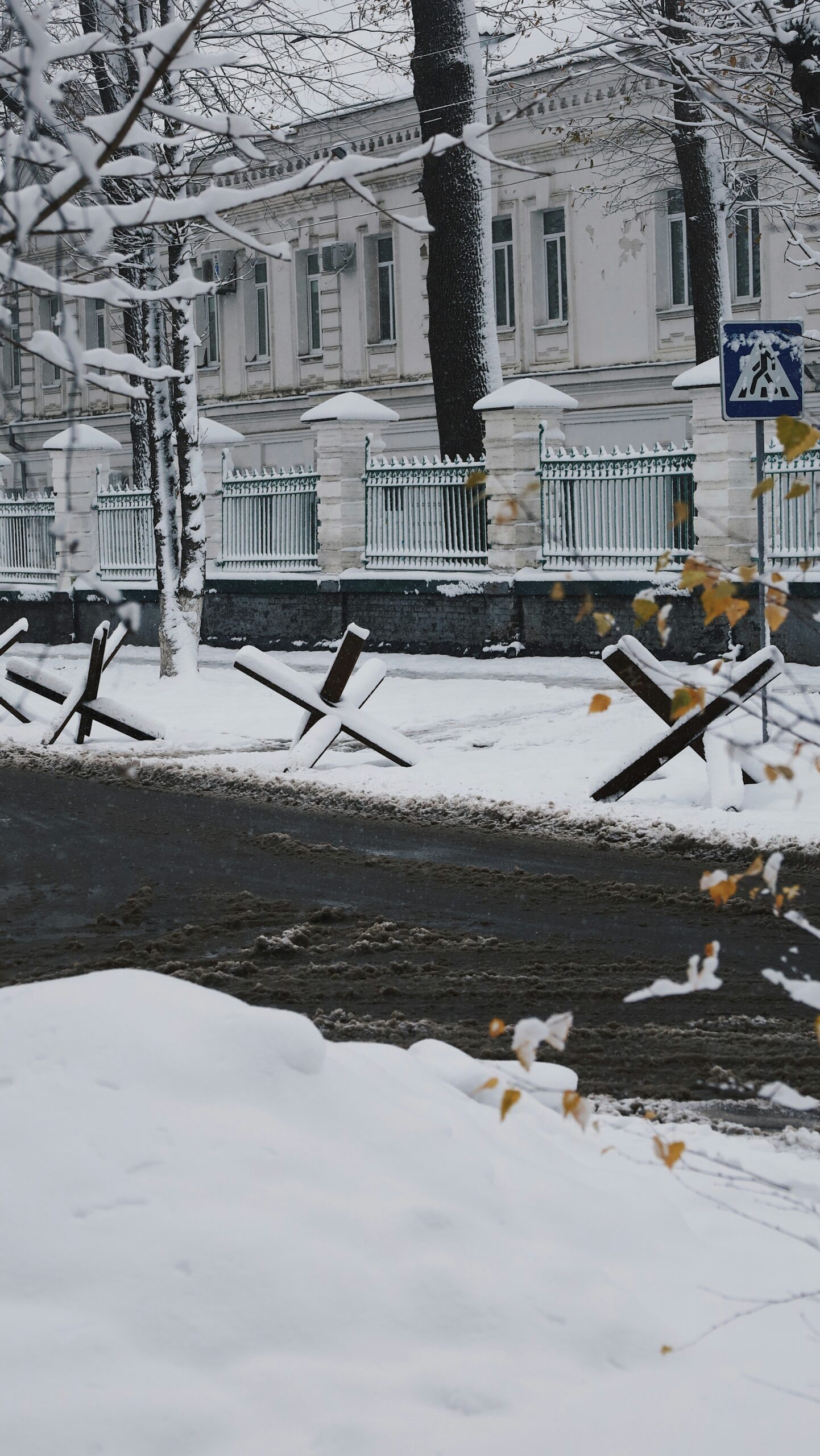
Energy Crisis Hits Cities Hardest
Kyiv, Kharkiv, and Odesa, along with towns near the front line, have been most affected, according to Denys Shmyhal, Ukraine’s newly appointed head of the energy ministry. Shmyhal, formerly prime minister and defence minister, warned that “there is not a single power plant left in Ukraine that the enemy has not attacked.”
The combination of attacks, subzero temperatures, and limited infrastructure has pushed the population to its limits. Residents are being forced to adapt to rolling blackouts and rationed heating, with cold homes and frozen streets defining daily life.
Electricity imports offer only partial relief
Ukraine has sharply increased electricity imports from European Union countries, but import capacity is limited to roughly 2.3 gigawatts. High market prices further restrict how much power can actually be brought in. Shmyhal has called on major state-owned companies to contribute more energy to public supply and urged businesses to reduce consumption, including turning off non-essential outdoor advertising and lights.
This shows how energy survival is now tied not just to supply, but also to careful management and cooperation across sectors.
Russia’s Strategy and The Human Cost
Moscow claims that striking Ukraine’s civil infrastructure is a legitimate military tactic designed to reduce Kyiv’s war-making capacity. Ukraine insists the real aim is to inflict suffering on civilians and break the country’s morale. The attacks have already caused widespread disruption, forcing authorities to confront a humanitarian crisis in freezing weather.
The conflict has made energy security a front-line issue in the war, showing how civilian infrastructure has become a direct target in modern conflicts.
Looking at Long-term Dangers
Analysts warn that continued attacks on electricity and heat infrastructure will have serious consequences beyond the immediate cold and darkness. Prolonged power shortages threaten hospitals, water supply systems, and food storage. If winter conditions persist, Ukraine may face not just physical discomfort but life-threatening conditions for the most vulnerable populations.
Zelenskiy’s appointment of Shmyhal to the energy ministry reflects the seriousness of the situation. It signals that the Ukrainian government sees energy resilience as a top strategic priority alongside military defense.
Beyond the destruction of infrastructure, the psychological and humanitarian toll could be profound. Without rapid recovery and international support, the coming weeks may be the toughest yet for Ukrainians trying to survive winter amid war.