

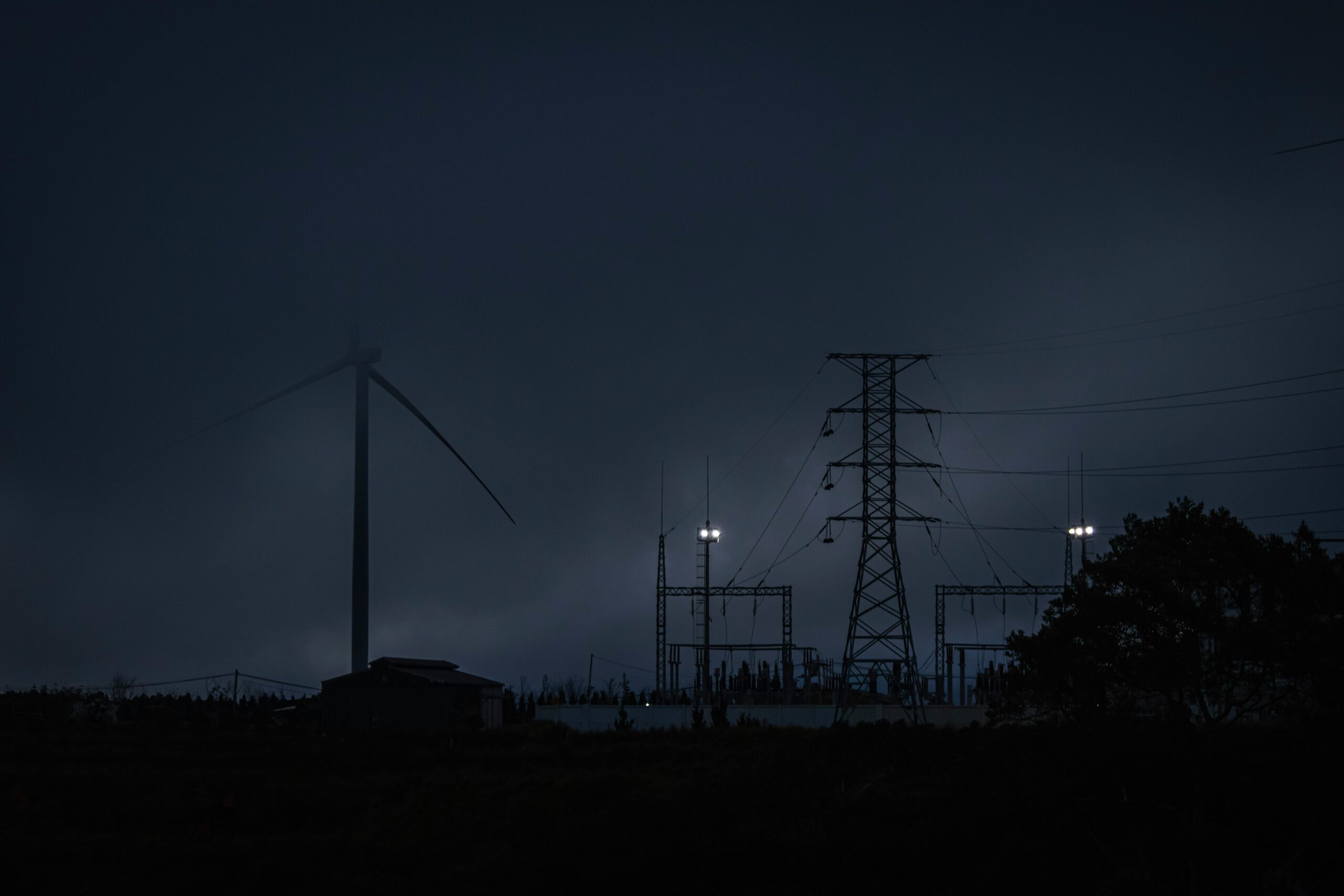
Ukraine is dark again. Not by accident, not by winter storms, but by design, fresh Russian air strikes have pushed Ukraine’s power system to the edge, forcing emergency blackouts across most of the country and exposing how fragile daily life has become after years of war.
This is not just another bad day for Ukraine’s energy sector. It is a reminder that the power grid itself has become a battlefield.
A Country Thrown Back Into Darkness
By Friday morning, Ukraine’s grid operator said the energy situation had “significantly worsened.” Emergency power cuts were triggered almost nationwide. Homes lost light. Heating systems slowed or stopped. Factories paused work.

Energy Minister Denys Shmyhal described the previous day as the hardest since November 2022, when Russia first carried out large-scale attacks on Ukraine’s power network. That comparison alone shows how serious the situation has become.
How the Grid Is Being Broken
Russia has increased the pace and intensity of its strikes in recent weeks. Power plants, substations, and transmission lines that were already damaged have been hit again.
According to Ukrenergo, several power facilities are now under emergency repair. Equipment that survived earlier attacks is being pushed beyond safe limits. Engineers are keeping the system alive by stretching machines that were never meant to run this hard, this long.
The grid operator warned that power blocks are under “tremendous overload.” In simple terms, the system is surviving, but just barely.
Winter Makes Everything Worse
This collapse is happening during a cold snap. That matters. Electricity in winter is not just about light or phones. It is about heat, water supply, hospitals, and basic safety.
Without stable power, heating systems fail. Apartment buildings grow colder by the hour. Elderly people and children suffer first. Hospitals are forced to rely on generators, which are not designed for long-term use.
An Energy Emergency, Again
President Volodymyr Zelenskiy declared an energy emergency last week. The phrase sounds official, but for ordinary Ukrainians it means something simple: prepare for outages, disruptions, and uncertainty.
Ukrenergo says repairs may be completed “in the near future,” after which planned outages could return. But “near future” has become a flexible term in this war. Each repair risks being undone by the next strike. The cycle is brutal: fix, restart, get hit again.
A Strategy, Not Collateral Damage
These attacks are not random. Russia has learned that hitting power infrastructure hurts far beyond the battlefield. When electricity goes, everything slows down: transport, industry, communication, morale.
Breaking the grid is cheaper than holding territory and just as effective at exhausting a population. It forces Ukraine to spend resources on survival instead of growth or recovery.
Life Under Permanent Uncertainty
For Ukrainians, the real toll is psychological. People no longer ask if the power will go out, but when. Daily life is planned around outages. Phones are charged whenever electricity appears. Cooking, work, and rest are adjusted to blackout schedules that change without warning.
This constant uncertainty wears people down. Darkness becomes normal. That may be the most damaging part of all.
As long as the grid remains a target, Ukraine’s fight is not only at the front lines. It is in control rooms, repair sites, freezing apartments, and dim hospital corridors.
The lights may come back on. They usually do. But the question is how long before they go out again.