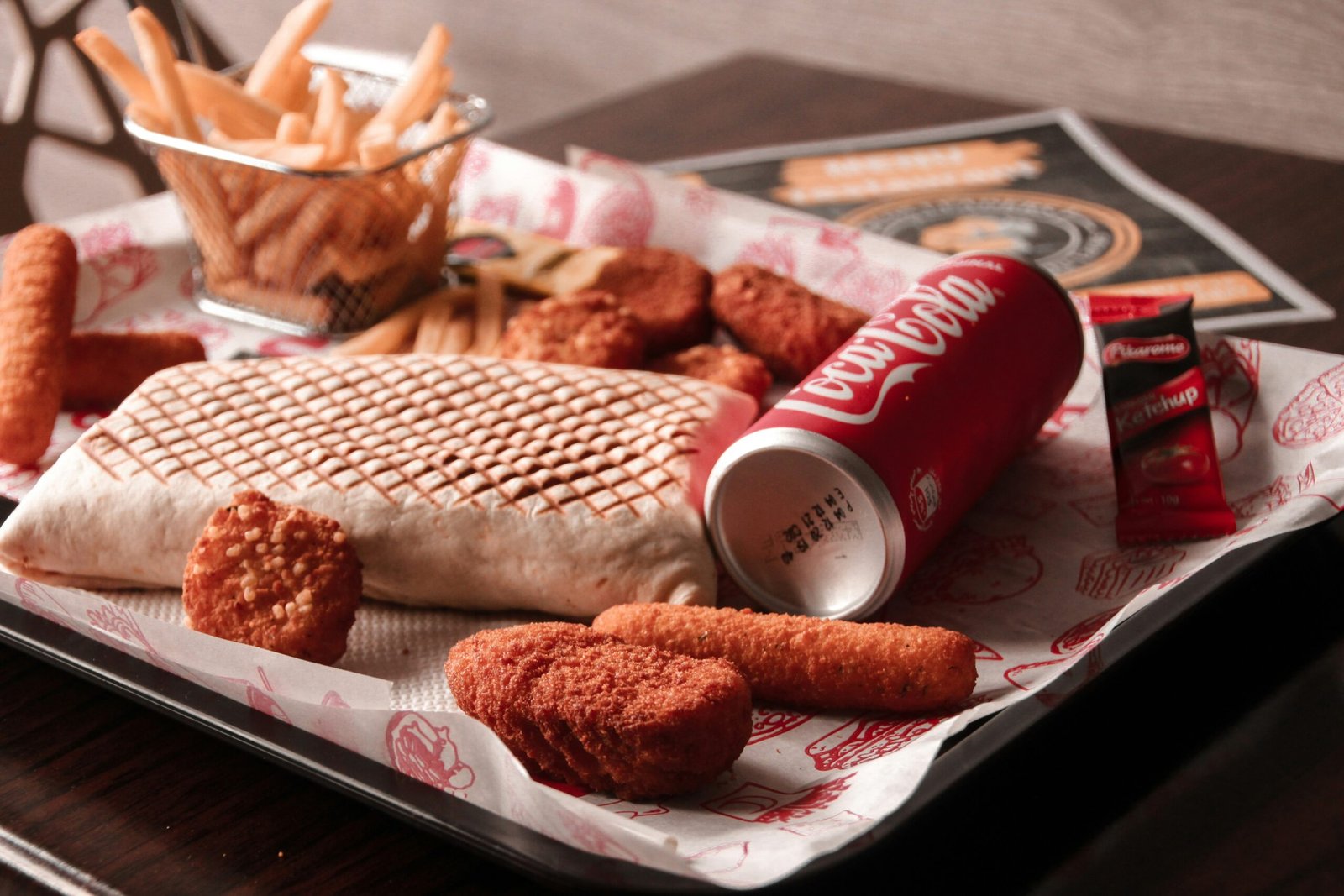

It is widely agreed that the American diet has issues. This is one of our ever-shrinking number of bipartisan convictions: Something should be done about the volume of ultraprocessed foods we are eating.
But the term “ultraprocessed” has escaped the grocery store. It is now being used to describe everything from wasted hours on smartphones (“ultraprocessed time”) to Hollywood films (“a diet of ultraprocessed films, full of sugary rushes, empty scenes and endless exposition”) to AI-generated culture (“ultraprocessed culture that fills us with the equivalent of empty calories”).
The prefix “ultra-“ — Latin for “beyond” — has become a warning sign. And it is shaping how Americans think about health, media, and politics.
The Food Debate
The scientific rubric for ultraprocessed foods is “agnostic to nutrition,” splitting foods into four broad categories based on how much they have been altered from their original states. “Processed” food can include familiar home techniques like canning vegetables or baking cookies. “Ultraprocessed” implicates industrial operations unlikely to take place in your kitchen — without really distinguishing between machine-extruded junk food and mass-produced whole-grain bread.
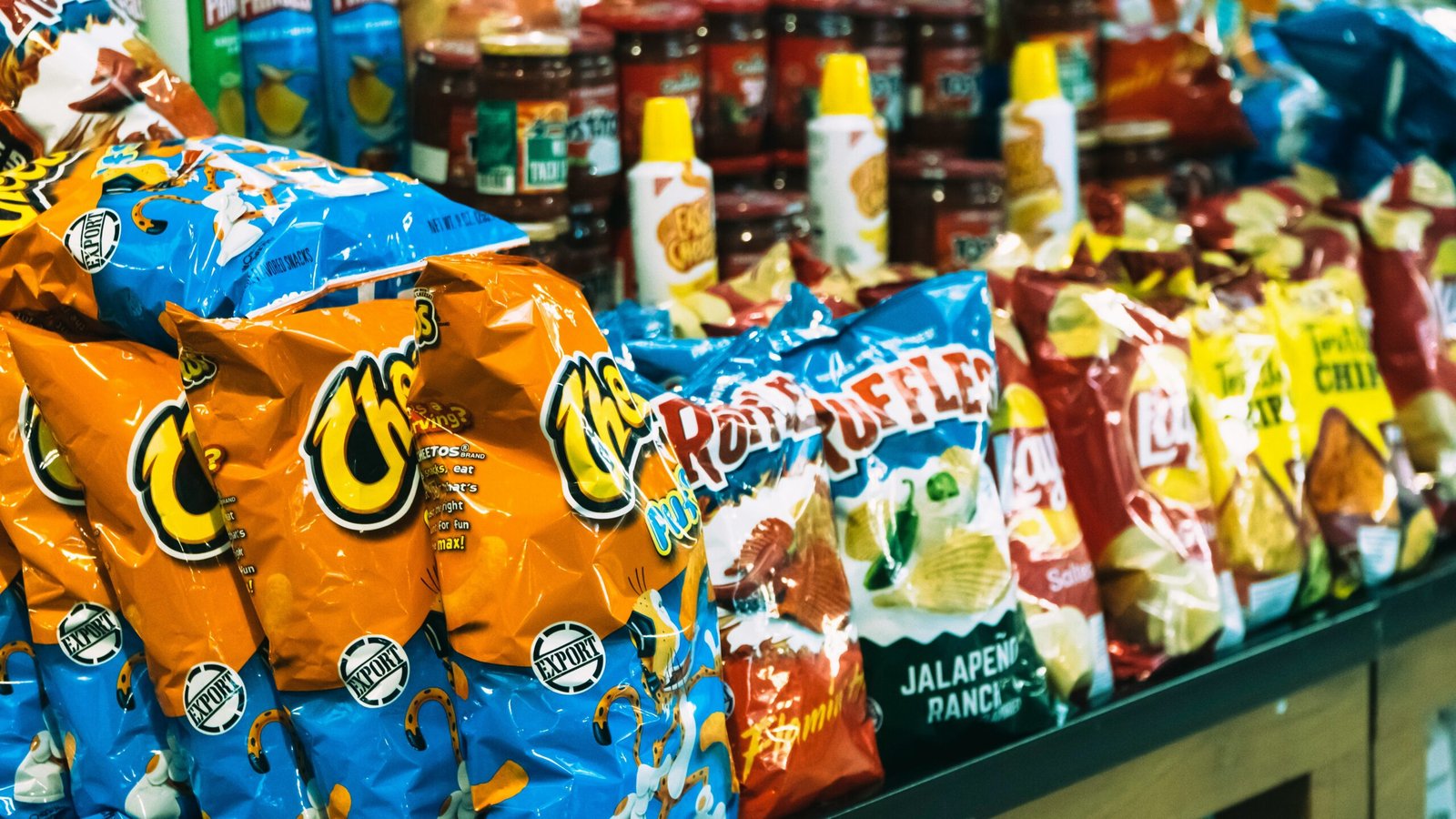
Even the US health secretary has made addressing ultraprocessed foods a cornerstone of his political career, promising for months that he is on the verge of producing a workable definition. The suspicion runs so deep that Americans have started using the term to characterize other, nonfood phenomena.
Beyond the Plate
A doctor has described hours wasted staring at your phone as “ultraprocessed time.” A writer for The Guardian warned about Hollywood offering lazy viewers “a diet of ultraprocessed films.” One filmmaker said artificial intelligence was creating “ultraprocessed culture.” A computer scientist applied food categories to media, from minimally processed (books) to ultraprocessed (TikTok feeds). Some say Americans are now living in an ultraprocessed world, in which private experiences are increasingly engineered from the outside.
The Marketing of ‘Ultra’
The prefix “ultra-“ has long been used as a marketing tactic. Dawn Ultra dish soap. Hefty Ultra Strong trash bags. Michelob ULTRA, now America’s best-selling beer. Monster Energy Ultra. Adidas Ultraboost sneakers. Miami’s Ultra Music Festival. US registered trademarks contain every imaginable variation: Ultra Lube, Ultragrain, Plasmajet Ultra+, even Ultra MAGA Beer.
Manufacturers use words like “Pro,” “Max,” “Ultra,” “Plus,” and “Premium” to mark different tiers of their products. Apple is said to be working on an Ultra line. But even in marketing, “ultra” is beginning to feel old-hat and déclassé — a zoomy, energy-drink, lasers-and-polymers, “X-Treme” sort of label.
The Political ‘Ultra’
The same prefix in English brought us ultramontanes, ultrarevolutionnaires, and ultraroyalistes. Today, words like “ultraconservative” or “ultraliberal” suggest a kind of Overton-window violation. The implication is that there is a normal way to hold certain beliefs, but the subject has veered beyond that into questionable territory.
Count up the uses you encounter, and there is every chance you will see “ultra-“ attached to very few good things — pinned instead on things that are bad for the body, the mind, the polity, and the soul.
The Bottom Line
The term “ultraprocessed” has expanded far beyond food to describe American life itself — from smartphones and Hollywood films to AI culture and politics. While “ultra-” remains a marketing favorite for products like Michelob ULTRA and Dawn Ultra, its cultural meaning has shifted. It now suggests cheap intensity, excess, and things that are bad for you. As Americans debate their diet, their screen time, and their politics, the prefix “ultra-” has become a warning sign — not a badge of honor.