
The United States has paid less than 5% of the more than $4 billion it owes to the United Nations, prompting the head of the UN General Assembly to publicly demand Washington pay its fees in full.
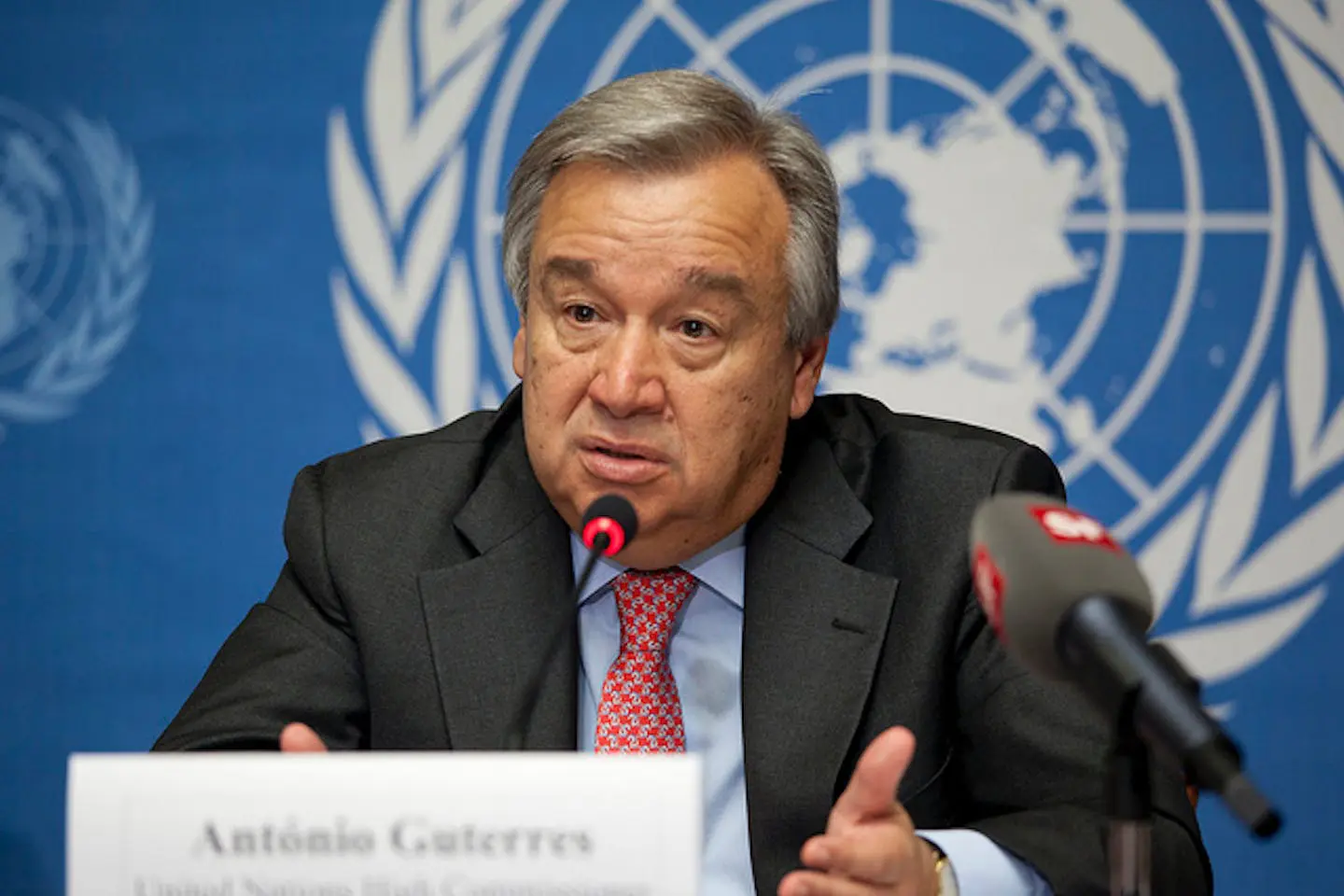
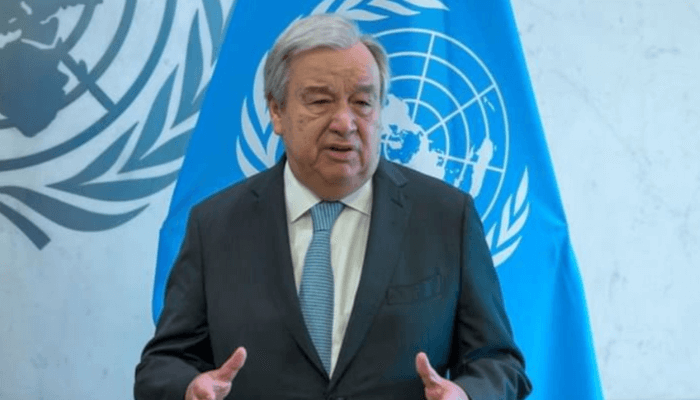
The $160 million partial payment, confirmed by a UN spokesperson last week, comes as Secretary-General António Guterres warns the body faces “imminent financial collapse” due to unpaid dues.
“Every member state has to pay its contribution in full and on time, and $160 million is obviously not in full,” Annalena Baerbock, president of the UN General Assembly, told reporters at a Geneva press briefing Tuesday.
What the US Owes
The United States is the UN’s largest contributor, responsible for 22% of the regular budget and about 27% of peacekeeping costs. Its total arrears break down as:
· $2.19 billion to the regular budget
· $2.4 billion for peacekeeping operations
· $43.6 million for international tribunals
The $160 million payment covers only a fraction of these obligations. It is unclear whether the Trump administration intends to pay more or whether this partial payment is a deliberate signal.
The Broader Context
The funding shortfall comes as President Donald Trump has signaled growing impatience with multilateral institutions. Last week, he hosted the first meeting of his “Board of Peace” initiative—a parallel body that experts say could undermine the UN’s authority by offering an alternative forum for conflict resolution.
Asked whether the UN risks being sidelined by Trump’s new initiative, Baerbock was unequivocal.
The General Assembly endorsed the board “only in the context of Gaza,” she said. “And for everything else regarding peace and security, we do have an international institution and legitimate body. It’s called the United Nations.”
The Warning Signs
Guterres has been sounding alarms for months. Without full payment of assessed contributions, the UN faces a cash crunch that could force cuts to peacekeeping missions, humanitarian operations, and essential staff.
The US has a history of withholding UN dues. Under Trump’s first term, Washington delayed payments and demanded reforms. But the current shortfall—and the administration’s apparent willingness to pay pennies on the dollar—represents an escalation.
What Happens Next
The UN has few levers to compel payment. The General Assembly can vote to suspend a member’s voting rights if arrears exceed two years of assessments—a step rarely taken and politically fraught when the member in question is the United States.
For now, Baerbock’s public call is the sharpest rebuke yet from UN leadership. Whether it moves the needle in Washington remains to be seen.
The UN needs money. The US has it. And the world’s largest multilateral body is waiting to see whether its largest donor will meet its obligations—or let it collapse.