
The latest round of negotiations between the U.S and Iran ended without an agreement on Thursday, deepening fears that diplomacy may be running out of time. After hours of indirect discussions in Geneva, officials on both sides acknowledged that while the exchanges were serious and at times constructive, no breakthrough was achieved. With military pressure building in the background, the collapse of these efforts has revived a troubling question: if talks between the United States and Iran have failed for now, is war looming?
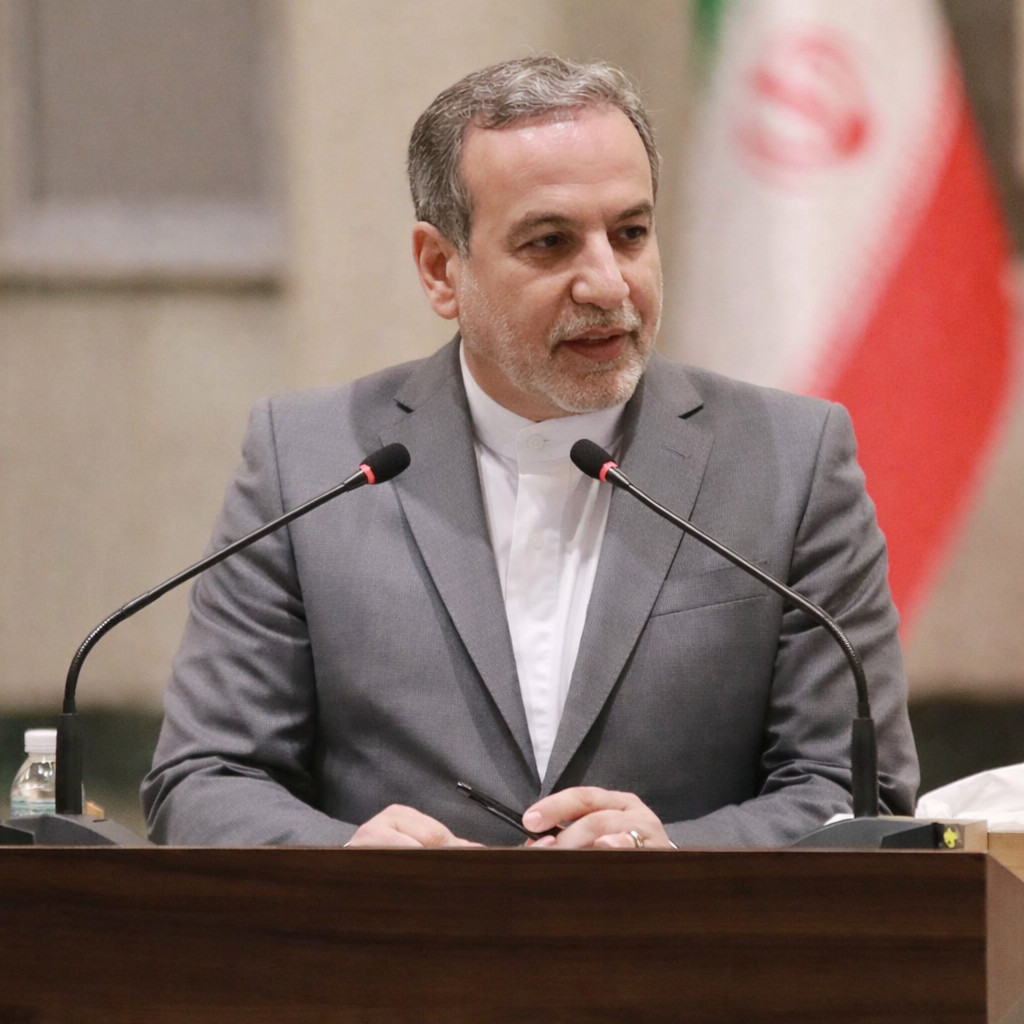
The latest round of talks, mediated by Oman, brought Iranian Foreign Minister Abbas Araqchi together indirectly with U.S. envoys Steve Witkoff and Jared Kushner. According to Oman’s foreign minister, Sayyid Badr Albusaidi, there had been “significant progress” and the exchange of “creative and positive ideas.” Yet no agreement was reached, and the core disputes remain unresolved.
Progress Without a Deal
Iranian officials said some issues were agreed upon, while others still face deep differences. Tehran has made clear that lifting U.S. sanctions is a top priority. Washington, on the other hand, continues to demand major concessions, including limits on Iran’s uranium enrichment and discussions about its ballistic missile program.
The United States believes Iran seeks the ability to build a nuclear weapon. Iran denies this, pointing instead to a long-standing religious decree banning weapons of mass destruction. President Masoud Pezeshkian repeated that position, saying it “clearly means Tehran won’t develop nuclear weapons.”
Despite those assurances, U.S. officials remain skeptical. Secretary of State Marco Rubio recently described Iran’s refusal to discuss its missile program as a “big problem.” Washington argues that missiles and regional activities cannot be separated from nuclear concerns. Iranian officials counter that nuclear and non-nuclear issues should be treated differently if a framework is to be reached.
Both sides agreed to resume discussions soon, with technical talks expected in Vienna next week. For now, however, the lack of a signed framework keeps uncertainty in place.
Military Pressure in the Background
The diplomatic effort is unfolding under visible military pressure. The United States has built up forces in the region, deploying aircraft carrier strike groups and fighter jets. President Donald Trump has warned that Iran must make a deal within a short window or face consequences, saying “really bad things” could happen otherwise.
Trump has repeatedly stated that he prefers diplomacy but will not allow Iran to obtain a nuclear weapon. Last June, the United States joined Israel in striking Iranian nuclear sites. Iran responded with missile attacks on Israel and warned it would retaliate fiercely if attacked again.
This military backdrop gives weight to the question raised by the collapse of talks. While negotiations continue, many analysts see them as a final opportunity before decisions turn from words to action.
Can Iran Attack the United States?
The idea of open conflict raises a serious point: Iran is not a small or powerless country. It has a large military, missile capabilities, and influence across the Middle East. However, directly attacking the United States would carry enormous risks for Tehran. The U.S. has a far larger military budget, global reach and alliances.
Iran’s past responses have focused on regional targets rather than direct strikes on U.S. soil. Its strategy has often involved deterrence through allies and proxy forces in the region. Any direct confrontation between the two nations would likely expand beyond a single battlefield and affect oil markets, shipping routes, and neighboring countries.
That is why even without a deal, both sides may still see value in restraint.
A Narrow Path Forward
Oman’s mediation remains active. Its foreign minister is expected to continue discussions in Washington, signaling that channels of communication are not closed. Iranian officials have hinted at flexibility, while U.S. sources have described the Geneva talks as positive in tone, if not in outcome.
The answer is not yet clear. What is clear is that time is short, pressure is high, and the space for compromise is narrowing.
Diplomacy has not ended, but it has not delivered either. Until a concrete agreement is reached, the risk of escalation will remain part of the calculation in Washington and Tehran alike.