
In a historic vote that exposed a deep rift between the Global South and Western powers, the United Nations General Assembly on Wednesday adopted a resolution declaring the transatlantic slave trade the “gravest crime against humanity” and calling for reparations—despite fierce opposition from the United States and Europe.
One hundred twenty-three countries voted in favor. Three voted against: the United States, Israel, and Argentina. Fifty-two abstained, including the European Union and Britain.
Ghana, which proposed the resolution, hailed the outcome as a “historic step forward” in addressing the lasting consequences of a brutal system that saw at least 12.5 million Africans captured and sold between the 15th and 19th centuries.
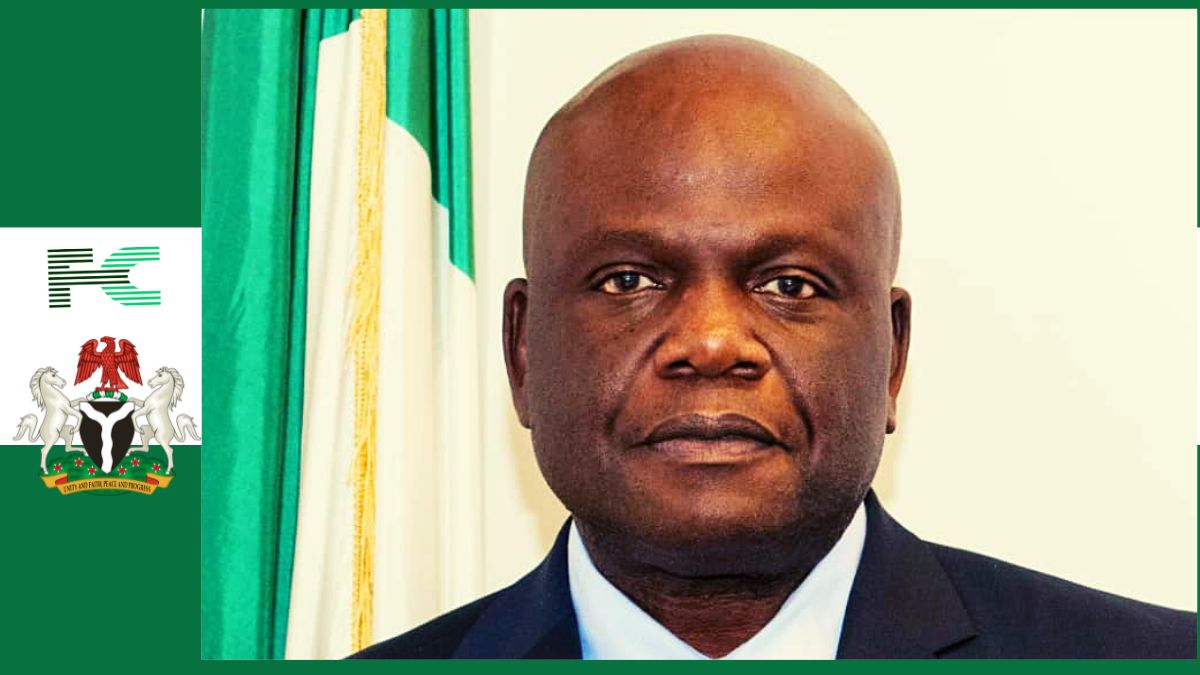
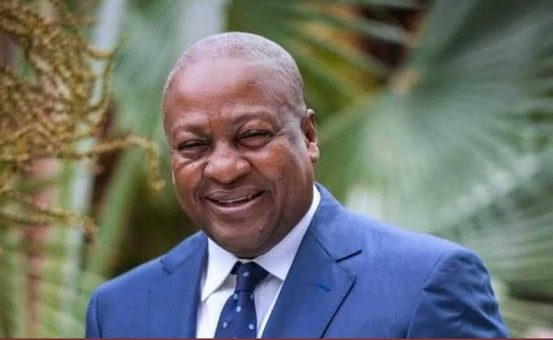
“History does not disappear when ignored, truth does not weaken when delayed, crime does not rot… and justice does not expire with time,” Ghana’s foreign minister, Samuel Ablakwa, told the General Assembly.
What the Resolution Does
The non-binding resolution carries significant political weight. It urges member states to:
· Issue formal apologies for their role in the slave trade
· Return stolen artefacts and cultural property
· Provide financial compensation to affected communities
· Guarantee non-repetition of such crimes
It also calls for a “reparative framework” and paves the way for a special UN reparations tribunal that African and Caribbean nations have long sought.
“This marks the first vote on the floor of the UN,” said Justin Hansford, a law professor at Howard University. “I cannot overemphasize how large of a step that is.”
The Opposition
The United States delivered a blistering rejection. U.S. representative Dan Negrea called the resolution a “cynical usage of historical wrongs as a leverage point” to “reallocate modern resources to people and nations who are distantly related to the historical victims.”
He argued that the resolution implied a hierarchy among crimes against humanity—a concern echoed by the European Union.
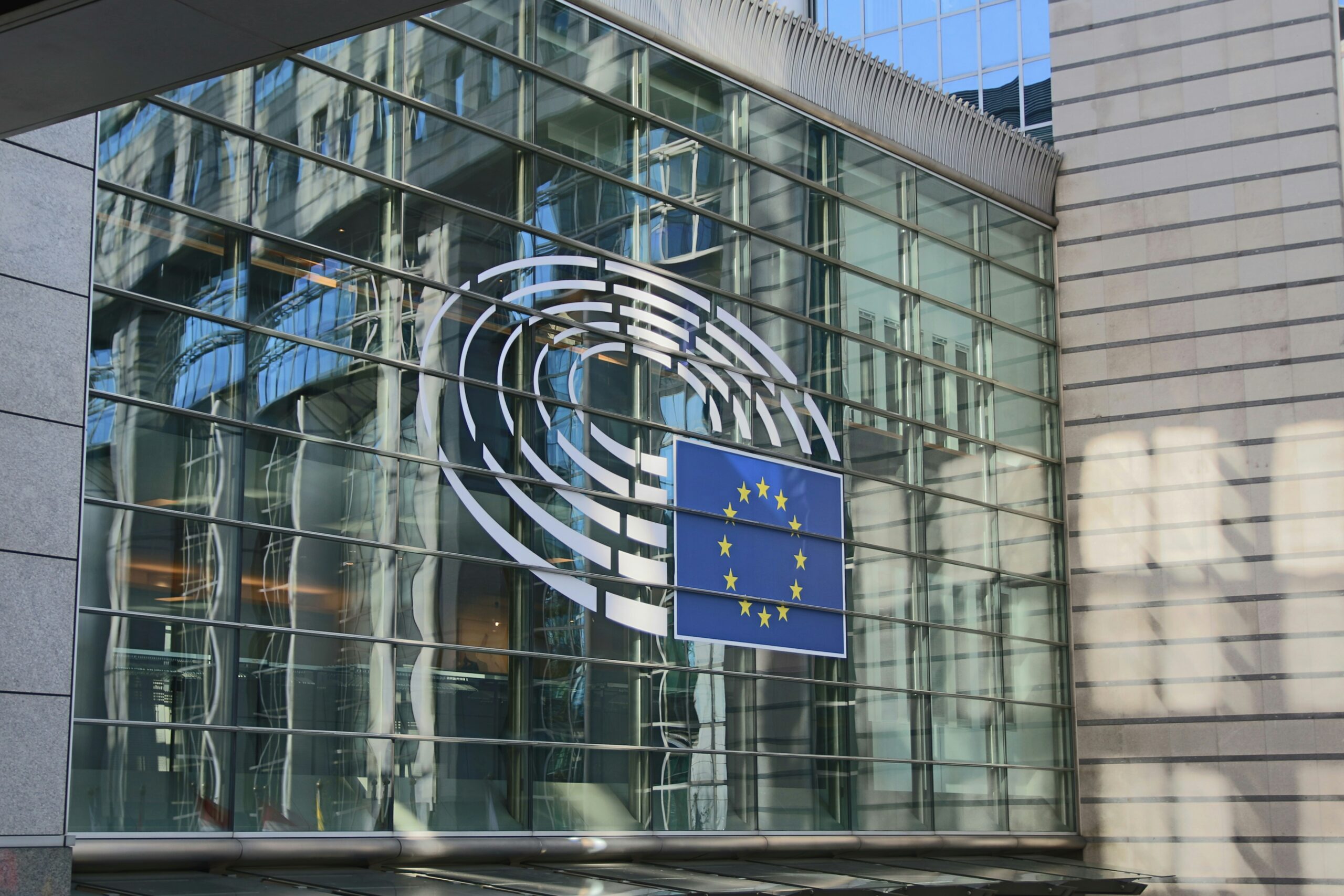
The EU’s representative, Gabriella Michaelidou, said the bloc would have supported a resolution highlighting the “scale of the atrocity” but raised “legal and factual” concerns, including the retroactive application of international law.
Both the US and EU also objected to what they saw as an attempt to treat transatlantic slavery as more serious than other crimes against humanity.
The Case for Reparations
Ghana and its supporters reject those objections. Historian Babatunde Mesewaku, speaking in Badagry, a coastal town in Nigeria that served as a major slavery port, argued that the transatlantic slave trade was uniquely devastating given its length—over 500 years—and its scale.
“Tens of millions were taken,” Mesewaku said, along with those who died in the Middle Passage. The result was “destruction and stagnation in Africa and beyond.”
UN Secretary-General Antonio Guterres, addressing the General Assembly, said “far bolder action” was required from more states to confront historical injustices.
The Netherlands remains the only European country to have issued a formal apology for its role in slavery.
The Irony of Ghana’s Stance
Ghana’s leadership on reparations has not gone unchallenged. Critics point to the country’s simultaneous push for stricter anti-LGBT laws, which rights groups say contradict the principles of justice and human dignity that the resolution champions.
But on the world stage, Ghana’s victory was decisive. The 123-3 vote represented the furthest the UN has gone in recognizing transatlantic slavery as a crime against humanity and in calling for reparations.
What Comes Next
The resolution is not binding, but its political weight is immense. It creates a framework for future negotiations and pressures Western nations that have long resisted reparations discussions.
For Ghana and the African Union, which last year set out to create a “unified vision” among its 55 member states on reparations, the vote is a milestone. For the US and Europe, it is a warning: the conversation on historical injustice is no longer confined to academic symposiums or grassroots campaigns. It is now a matter of a formal UN debate.
Ablakwa’s words will echo beyond the General Assembly hall: “Justice does not expire with time.”
The question now is whether the countries that voted against or abstained will eventually come to agree.