
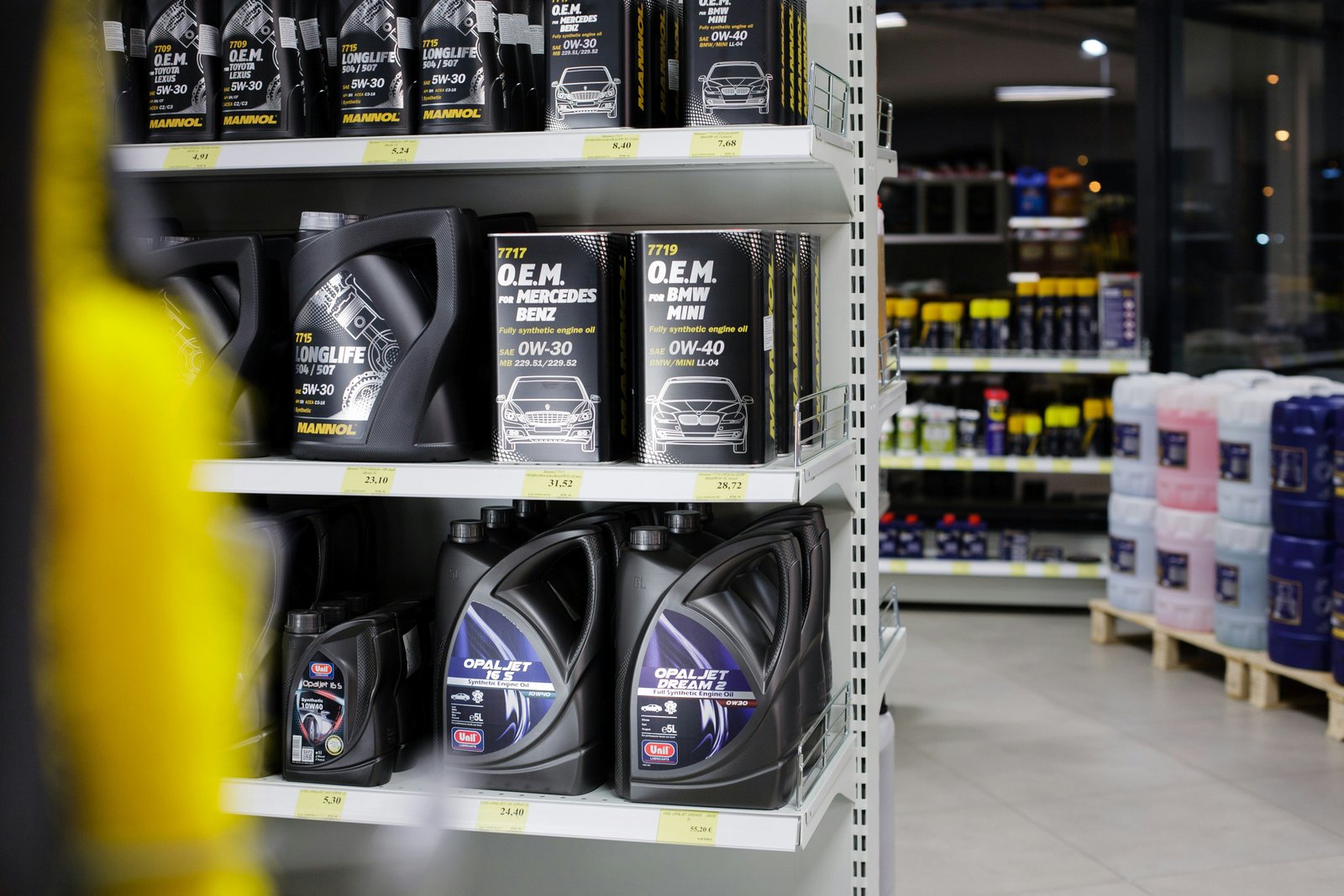

Supply disruptions linked to the Iran conflict are putting pressure on the global market for full synthetic motor oil, sending costs higher for retailers, vehicle repair chains and motorists.
The squeeze is particularly affecting Group III base oil, a key ingredient in many full synthetic lubricants. According to the Financial Times, citing Argus Media, the US benchmark price for Group III base oil reached a record $12.45 per gallon on Friday, almost four times its February level.
The disruption began after an Iranian strike in March damaged Shell’s gas-to-liquids facility in Qatar, one of the major sources of Group III base oil.
Tensions around the Strait of Hormuz have added to the supply problems by disrupting tanker shipments of crude from the Gulf to South Korea, another important centre for base oil production.
Although the lubricant industry handles a relatively small volume of oil compared with the wider petroleum market, the limited size of the sector is intensifying the impact of the disruptions.
Global exports of lubricant base oils typically stand at about 350,000 barrels per day, compared with more than 100 million barrels of oil traded across the broader global market.
The shortages are now making it harder for automakers and lubricant blenders to obtain sufficient supplies for full synthetic motor oils, which are required for many newer vehicles.
Retailers Raise Prices
The rising cost of raw materials is already being reflected on store shelves.
Costco Wholesale has increased the price of a 10-quart package of one full synthetic motor oil to $57.99 and limited customers to one purchase, according to its website. The same product cost about $30 last year.
Walmart has also reported low inventories for several motor oil brands this week and said it is working with suppliers to maintain availability.
Vehicle service companies are facing similar pressures and have begun passing some of the additional costs on to customers.
Valvoline said its nearly 2,500 outlets have not experienced shortages but increased oil-change prices by between $5 and $7 after lubricant costs rose by 60 per cent since March.
The company’s chief executive, Lori Flees, warned that prices were likely to go “higher” and estimated that supply could take four to six months to normalise after the Strait of Hormuz fully reopens.
Independent garages and lubricant blenders are facing even greater difficulties because many do not have long-term supply agreements with major oil companies.
Jiffy Lube chief executive Mauricio Quezada warned that customers could experience spot shortages, while Holly Alfano, head of an industry group, said even buyers with contracts were being placed on allocation.
According to Alfano, companies without such agreements are struggling to obtain Group III supplies.
Industry Seeks Alternatives
Automakers and industry organisations are looking for ways to ease the pressure, including alternative lubricant blends and emergency provisional licensing arrangements.
However, replacing Group III base oil is not straightforward because full synthetic motor oils must meet strict formulation and testing requirements.
As a result, workshops are having to cope with uneven supplies while continuing to provide routine maintenance services to motorists.
The disruption could therefore continue to affect the cost and availability of full synthetic motor oil until supply chains recover and shipments through the region return to normal.





Lori Flees estimates supply could take four to six months to normalise after the Strait of Hormuz fully reopens. Are there any specific benchmarks or conditions beyond just the Strait’s reopening that are factored into her projected timeline for normalisation?