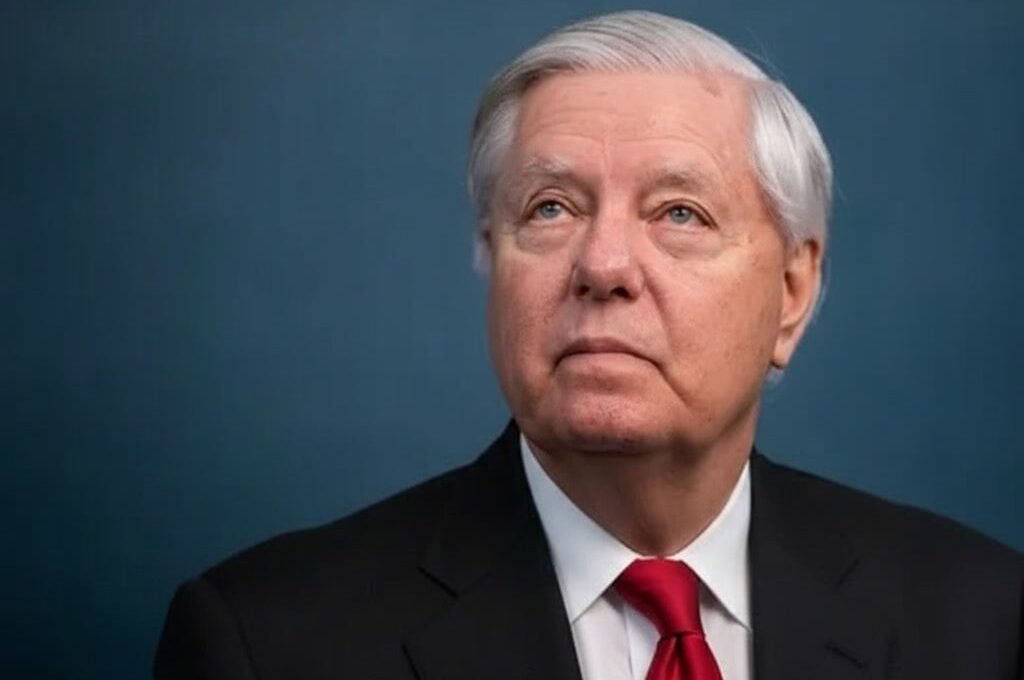

The US Senate has voted to move forward with a broad Russia sanctions bill renamed in honour of the late Senator Lindsey Graham, setting the stage for final approval later this week.
Lawmakers backed the measure in an 86-12 procedural vote on Tuesday, just hours after Ukrainian President Volodymyr Zelensky addressed senators on Capitol Hill and days after Graham’s funeral.
The legislation gathered renewed support following the South Carolina Republican’s death, with senators pushing ahead on the proposal as a tribute to his long-standing advocacy for Ukraine.
If approved, the bill would impose fresh sanctions on senior Russian officials, the country’s energy industry and its so-called shadow fleet used to transport oil. It would also extend certain existing sanctions on Iran after lawmakers agreed to broaden the legislation earlier on Tuesday.
The proposal has attracted 62 co-sponsors and is expected to clear the Senate. However, its future in the House of Representatives remains uncertain after lawmakers began their August recess before taking up the measure.
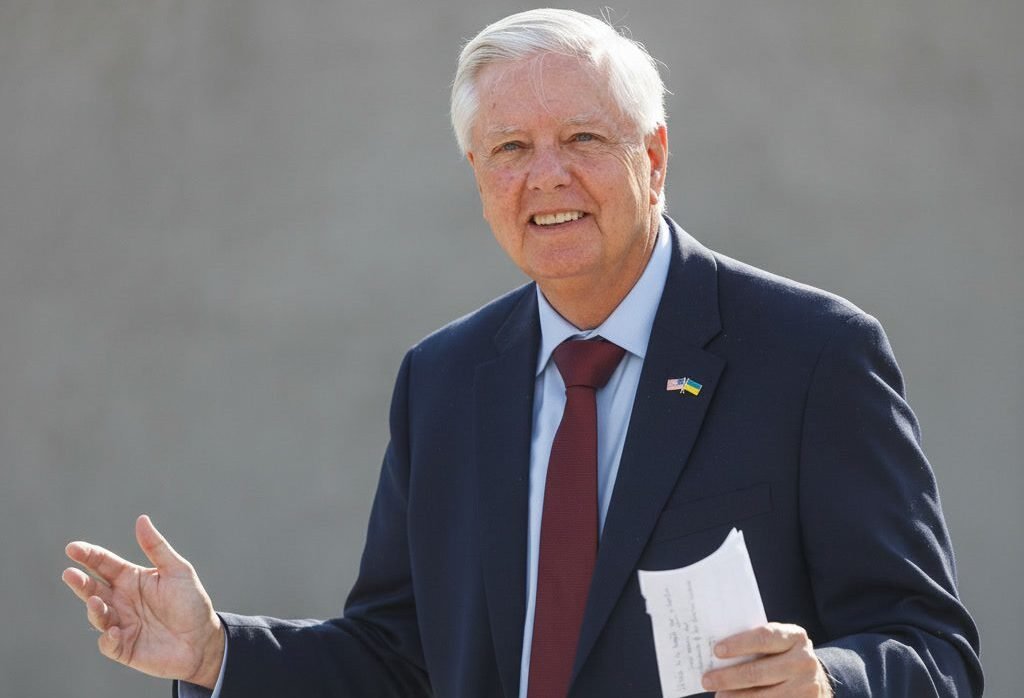
Although some House Democrats have expressed concerns that the legislation gives President Donald Trump greater authority over tariffs, the bill continues to enjoy strong bipartisan backing and has received support from the White House.
Graham and Democratic Senator Richard Blumenthal had spent months working together to build support for the legislation, which was first introduced in April last year. Progress stalled several times as the White House sought greater flexibility for the president in deciding which entities should face sanctions and the extent of those penalties.
Days before his death, Graham announced from Kyiv that the White House had approved revised wording for the proposal.
The updated version expands the list of Russian targets subject to mandatory sanctions, including vessels linked to Moscow’s shadow fleet, while also granting Trump broader powers to waive certain measures.
It also introduces tariffs aimed at countries that continue buying Russian energy, a provision that prompted criticism from some Democrats who argued it would further expand the president’s tariff authority.
“It is extremely dangerous to give Trump massive new tariff powers, particularly after we’ve seen the disastrous impacts of his corrupt, chaotic, and inflationary tariff spree,” House Ways and Means Committee ranking member Richard Neal and Senate Finance Committee ranking member Ron Wyden said in a joint statement after the revised bill was unveiled.
Despite those concerns, most Democratic senators voted to advance the legislation. Only 11 Democrats joined Republican Senator Rand Paul in opposing the measure.
Before the vote, Senate Minority Leader Chuck Schumer said the legislation would send a clear signal to Moscow.
“He can’t bully Ukraine,” Schumer said, adding that the United States “stands by” its ally.
The White House confirmed that Trump supports the revised version of the bill. Earlier this month, the president also urged Republican lawmakers to include sanctions relating to Iran, saying “that’s what Lindsey wanted to do.”
Democrats eventually agreed to the addition after it became clear the changes only extended existing sanctions on Tehran.