Wes Streeting has stepped down as Britain’s health secretary, saying on Thursday that he has “lost confidence” in Prime Minister Keir Starmer’s leadership and that remaining in government would be “dishonourable and unprincipled.”
His resignation follows days of speculation over whether he would mount a challenge to Starmer’s leadership of the Labour Party. However, in his resignation letter, Streeting did not formally announce a leadership bid.
To trigger a leadership contest, he would need the backing of one-fifth of Labour MPs, currently about 81 lawmakers.
Following his exit, Starmer appointed former chief secretary to the Treasury, James Murray, as the new health secretary.
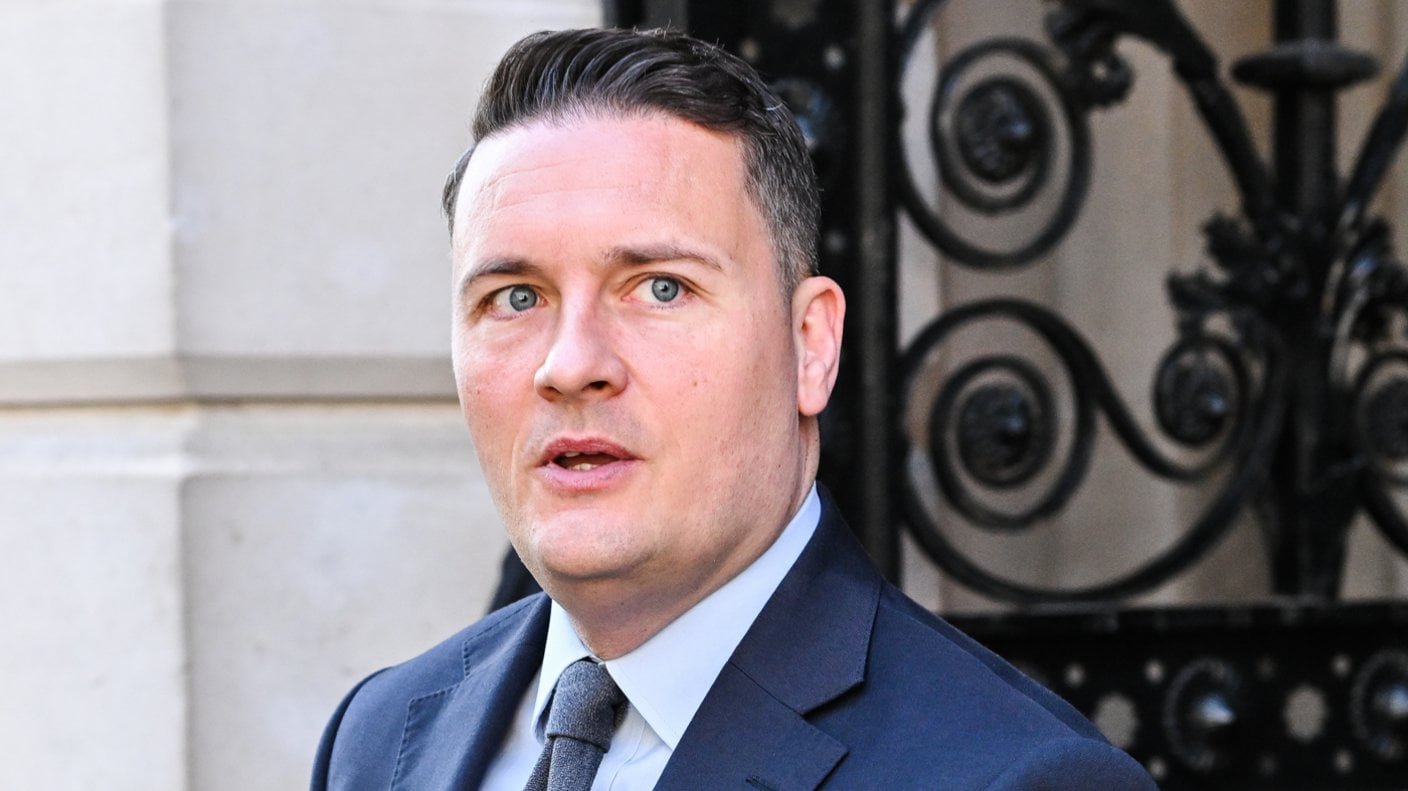
Streeting’s departure comes amid mounting pressure on Starmer after Labour’s poor performance in recent local elections across parts of the UK, which has led nearly 90 Labour MPs to publicly call for his resignation. He is the first cabinet minister to quit since the internal revolt began.
In his letter, Streeting warned that recent electoral losses had placed “nationalists in power in every corner” of the country, referencing gains by Reform UK in England and nationalist parties in Scotland and Wales. He argued that progressive voters were “losing faith” in Labour, adding that the party under Starmer had “left the country not knowing who we are or what we really stand for.”
He added, “Where we need vision, we have a vacuum. Where we need direction, we have drift.”
Streeting also claimed that Starmer would not lead Labour into the next general election in 2029 and called for a wider debate about the party’s future leadership.
“I want the debate about what comes next to be a battle of ideas, not of personalities or petty factionalism. It needs to be broad, and it needs the best possible field of candidates,” he said.
Responding in his own letter, Starmer said he was “sorry” to see Streeting leave government and acknowledged that the recent local elections were “extremely tough.”
He reaffirmed his commitment to staying in office, insisting Labour must “deliver on all of the promises we made to the country, including our promise to turn the page on the chaos that was roundly rejected by the British people at the last general election.”
Downing Street has repeatedly insisted that Starmer intends to remain as prime minister, warning that leadership instability would return Britain to the “chaos” of past Conservative administrations.
Streeting had been leading efforts to reform the National Health Service (NHS), with recent figures showing a drop of 110,000 on NHS waiting lists in March—the largest monthly fall outside the COVID-19 pandemic since 2008. He said the figures showed the government was “on track to achieve the fastest improvement in NHS waiting times in history.”
His resignation is seen as potentially triggering a wider leadership struggle within Labour. Former deputy prime minister Angela Rayner and Greater Manchester Mayor Andy Burnham are among figures viewed as possible future contenders, though neither has formally entered a leadership race.
Streeting, a prominent figure on Labour’s right wing, has long been considered a rising star in the party, with a political background including leadership of the National Union of Students and service as a local councillor and MP.
His future political ambitions may, however, be complicated by his association with veteran Labour figure Peter Mandelson, who has faced controversy over past ties.