
The United States was forced to confront a brutal reality on its own soil. Early Sunday morning, a gunman opened fire across three separate residences in Shreveport, Louisiana. The result was a “heartbreaking tragedy” that claimed the lives of eight children, some as young as one year old.
The Details of the Rampage
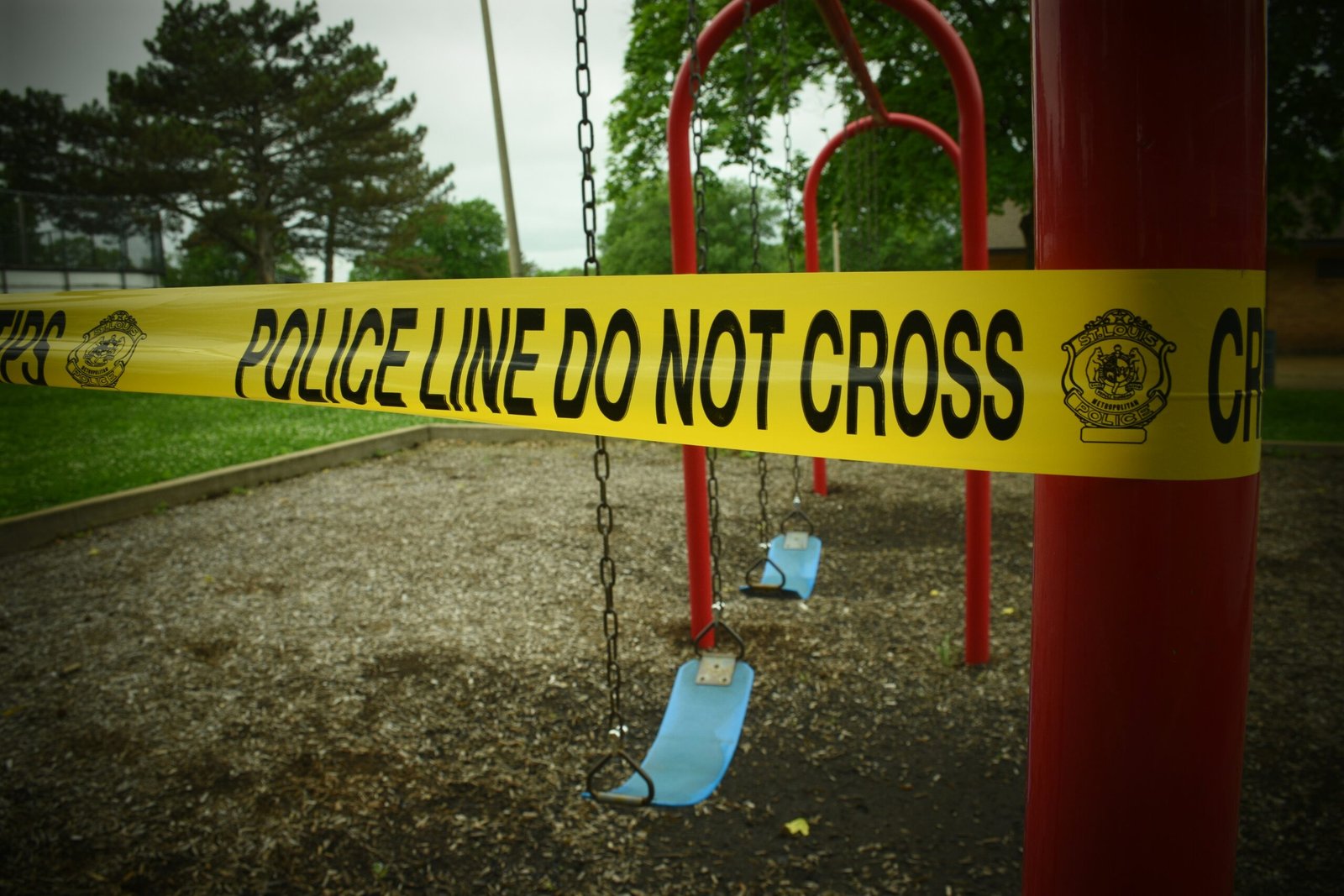
The shooting began just after 6:00 a.m. in what authorities are describing as a domestic disturbance that spiraled into a mass casualty event. Eight children, aged 1 to 14, were killed. Police spokesperson Christopher Bordelon confirmed that some of the victims were the “descendants” of the suspected gunman. After the killings, the suspect carjacked a vehicle, leading police on a high-speed chase into neighboring Bossier Parish. The chase ended when officers fired on the vehicle, killing the suspect.

At least 10 people were shot in total during the spree, which Shreveport Mayor Tom Arceneaux called “the worst tragic situation we’ve ever had.” The shooting comes at a time when the Trump administration is heavily focused on the final 72 hours of the Iran ceasefire and the potential for total infrastructure war in the Gulf. While the President used Sunday to threaten Iranian power plants and bridges, local leaders in Louisiana were left to pick up the pieces of a failed domestic safety net.
Political Reaction
Speaker of the House Mike Johnson, a Shreveport native, and Governor Jeff Landry both issued statements of heartbreak, but the incident has already reignited the debate over whether the federal government is too distracted by foreign conflicts to address the “western madness” of gun violence.
The Grim Statistics of 2026
According to the Gun Violence Archive, the United States is currently experiencing a massive surge in mass shootings. There have been at least 119 mass shootings in the U.S. so far in 2026. These incidents have resulted in 117 deaths and 458 injuries.
Most disturbingly, 79 children have been killed in mass shootings in just the first four months of this year.
As the names of the victims are released and the investigation into the officer-involved shooting of the suspect continues, the tragedy in Shreveport serves as a somber reminder that the greatest threats to American lives are not always found across the Strait of Hormuz.
Is the U.S. government too focused on the “nuclear dust” of Iran while ignoring the “blood on the streets” of its own cities, or are domestic tragedies like the Shreveport shooting an unfortunate reality that no amount of federal foreign policy focus can change?