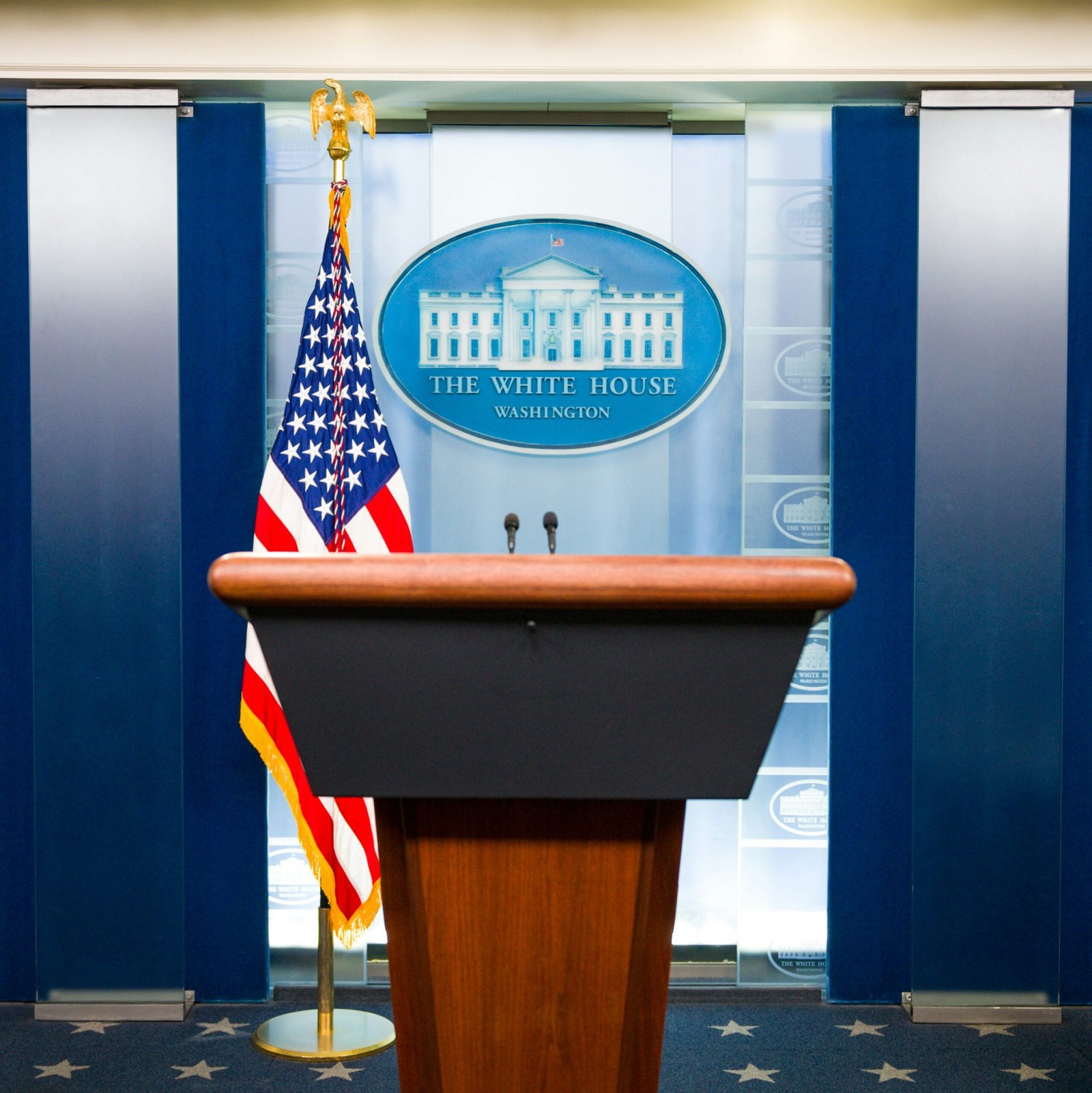

President Donald Trump has sparked intense diplomatic pushback after threatening to stall a finalized ceasefire deal in the U.S.-Iran war unless eight Middle Eastern and South Asian nations simultaneously sign the Abraham Accords and normalize relations with Israel.
Expanding on his social media stance, Trump stated in the Oval Office that he is “not sure we should make the deal” to end the three-month-old war unless regional Muslim powers capitulate to his demands. However, the high-stakes ultimatum has been met with deafening silence from regional capitals, skepticism from Israel, and open dismissal from foreign policy veterans who describe the move as an unworkable “cry for help” from a White House desperate for a legacy victory.
The Diplomatic Gridlock.
The core of the diplomatic outrage stems from a severe miscalculation by Washington regarding regional dynamics. The current war, which began on February 28 with heavy U.S. and Israeli air strikes on Iran, has inflicted heavy economic and security burdens on neighboring Gulf states. Many of these nations, including Qatar, Turkey, and Pakistan, have spent months acting as essential behind-the-scenes mediators to bring Washington and Tehran to the negotiating table.
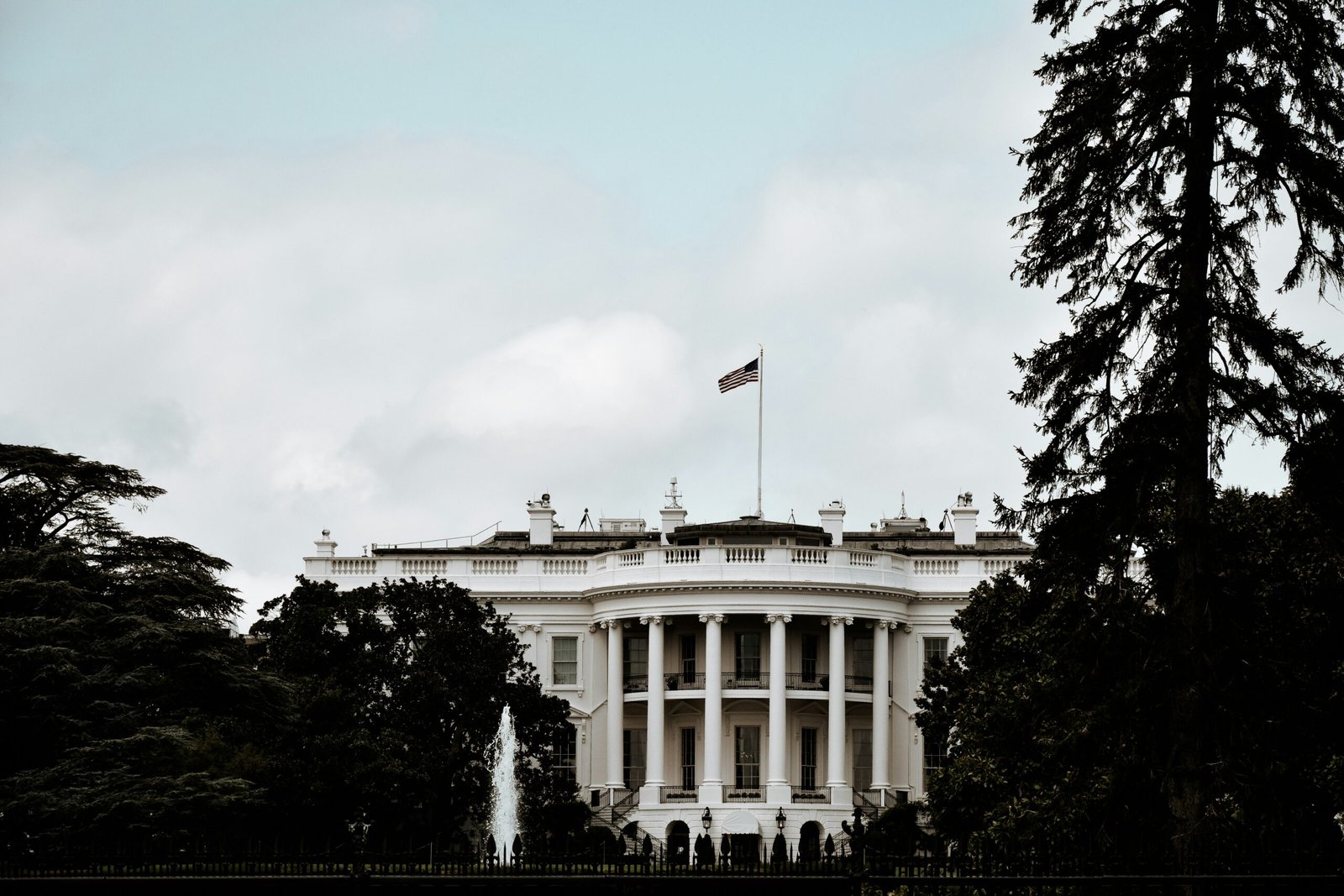
Instead of receiving gratitude from the United States for brokering the tentative April ceasefire, these nations are now being ordered by the White House to absorb massive internal political damage by embracing Israel.
Longtime foreign policy experts note that regional leaders view the demand as a severe insult, arguing that their efforts to secure global energy corridors like the Strait of Hormuz should be rewarded by Washington, not penalized with unrealistic geopolitical mandates.
Why Normalization is Dead on Arrival
While White House spokeswoman Anna Kelly defended the policy as a “natural complement” to an East-West peace treaty, regional diplomats say the plan completely ignores the ongoing humanitarian disaster in the Gaza Strip.
The initial Abraham Accords, signed in 2020 by the United Arab Emirates, Bahrain, and Morocco, were driven by a shared intelligence fear of Iran’s military expansion. However, the subsequent years of intense conflict in Gaza have triggered immense public fury across the Muslim world.
Key targeted nations like Saudi Arabia, Qatar, and Pakistan have repeatedly clarified that official diplomatic recognition of Israel remains strictly conditional on a credible, verified path toward independent Palestinian statehood. By attempting to completely bypass the Palestinian issue to force an anti-Iran coalition, the Trump administration has introduced a condition that regional leaders cannot accept without risking severe domestic unrest and political survival.
Even Israel Stays Silent
Perhaps the most telling sign of the ultimatum’s failure is the complete lack of public enthusiasm from Jerusalem. While Israeli Prime Minister Benjamin Netanyahu has spent years prioritizing Saudi normalization, his administration has pointedly refused to endorse Trump’s high-stakes linking strategy.
Diplomatic analysts point out that linking an Iran nuclear deal to regional normalization actually harms Israel’s core security interests: If joining the Abraham Accords is made a mandatory prerequisite for an American-led ceasefire, Israel might ultimately be pressured by Washington to grant concessions on Palestinian statehood that its current right-wing government completely rejects.
International diplomats have increasingly begun to look past Trump’s erratic foreign policy statements. With U.S. and Iranian forces still trading sporadic military strikes despite the ceasefire, Israeli defense officials are far more focused on permanently dismantling Tehran’s underground nuclear enrichment facilities than chasing an unfeasible regional photo-op.
A Clueless Extortion Scheme That Imperils American Credibility
President Trump’s attempt to hold a critical wartime ceasefire hostage is a degree in diplomatic arrogance. The White House is treating a highly volatile, active combat zone like a corporate boardroom, operating under the delusion that American military force can simply bully sovereign nations into abandoning decades of deeply held foreign policy principles.
To demand that countries like Saudi Arabia and Pakistan suddenly sign a historic treaty with Israel while the ruins of Gaza are still smoldering shows a complete lack of basic cultural and strategic awareness. The Gulf states have already spent the last three months absorbing the economic fallout of a war that Washington and Jerusalem initiated. Forcing these crucial intermediary allies to absorb further domestic political damage just so the president can spin an unpopular war into a signature campaign headline is an incredibly reckless exploitation of American power.
Furthermore, ignoring the realities of your own allies is bad enough, but blowing up your own peace talks is actively dangerous. The United States is currently sitting on a fragile, highly unstable ceasefire with a nuclear-capable adversary, while domestic energy markets remain choked by naval volatility. The absolute priority of the executive branch should be securing a permanent end to the fighting and stabilizing global shipping lanes. Instead, the administration is actively playing chicken with global security, threatening to walk away from a vital peace settlement over a redundant, unworkable political branding exercise. This isn’t master-class dealmaking; it is a desperate, short-sighted stunt that risks collapsing a fragile peace and plunging the entire region back into total war.