

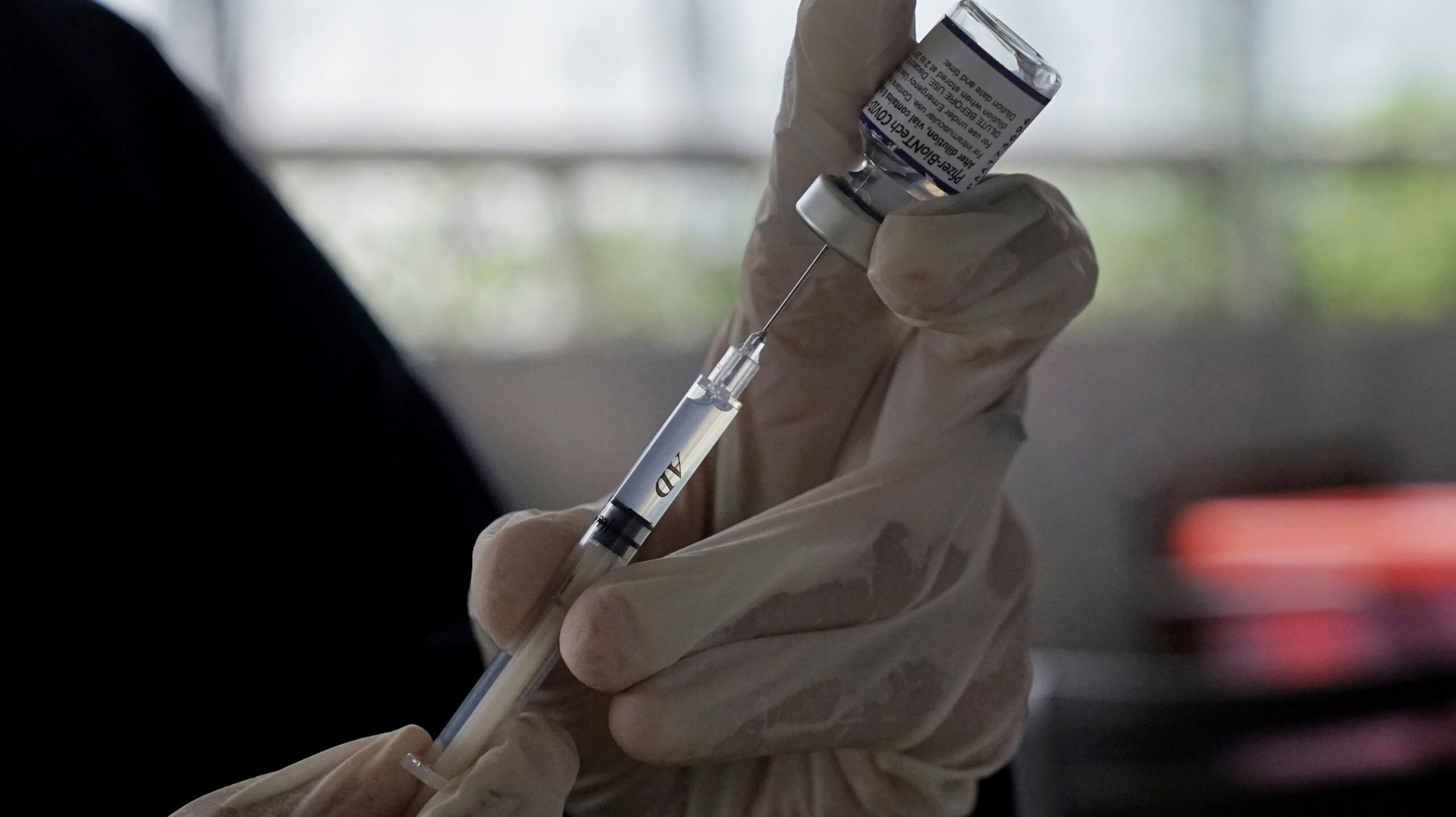
In a sweeping and controversial overhaul of America’s public health doctrine, federal officials have dramatically scaled back universal childhood vaccine recommendations, dropping the number of diseases all children are advised to be immunized against from 17 to 11 and sparking a furious battle between the Trump administration and leading pediatricians who call the move “dangerous and unnecessary.”
The new guidelines, issued Monday by the Centers for Disease Control and Prevention (CDC), dismantle decades of standard practice. Vaccines for hepatitis A, hepatitis B, and COVID-19 have been moved off the “universal” list and into categories based on individual risk or left to “shared clinical decision-making” between doctors and parents. The list of core vaccines for all children now includes shots for polio, measles, and HPV, among others.

“Gold Standard” Science vs. “Dangerous” Policy
President Donald Trump immediately hailed the change, calling it “rooted in the gold standard of science” and a victory for his “Make America Healthy Again” agenda. The overhaul was spearheaded by Health Secretary Robert F. Kennedy Jr., a longtime vaccine skeptic, who stated it came “after an exhaustive review” and would “rebuild trust in public health.”
The medical establishment reacted with alarm and outrage. The American Academy of Pediatrics (AAP) issued a scathing condemnation. “This is no way to make our country healthier,” said AAP President Dr. Andrew D. Racine, warning the move would “sow further chaos and confusion and erode confidence in immunizations.” Republican Senator Bill Cassidy, a physician from Louisiana, echoed the concern, stating the change based on “little transparency will make America sicker.”
A “Global Outlier” No More? The Denmark Comparison
The U.S. Health Department justified the shift by comparing America to 20 peer nations, arguing the U.S. was a “global outlier” in its expansive schedule. Officials pointed to Denmark, which recommends vaccines against only 10 diseases, as a model. “We are aligning the U.S. childhood vaccine schedule with international consensus,” Kennedy said.
Critics blasted this comparison as ludicrous and reckless. “The United States is not Denmark,” Dr. Racine fired back, noting the vast differences in population size, public health infrastructure, and disease risk between a nation of 6 million and one of 340 million.
The “MAHA Moms” Win, Pediatricians Warn of Chaos
The policy is a direct response to an executive order Trump signed in December and represents a major victory for anti-vaccine activists within his political base, whom he credited as “MAHA Moms.” It follows other contentious changes, including a recent revision to delay the first hepatitis B shot for newborns, which the AAP also labeled “a dangerous move that will harm children.”
For now, insurance is expected to continue covering all previously recommended vaccines through the end of 2025. But the new guidelines represent a fundamental philosophical rupture. The Trump administration frames it as a restoration of parental choice and scientific alignment with the world.
The nation’s pediatricians see it as a politically driven surrender to misinformation that will leave children vulnerable and public health in disarray—a radical rewrite of child health that could reshape a generation’s well-being.