Governments in Florida and Texas are taking action to restrict or completely block the use of automated license plate readers on public roads. The primary reason why Florida and Texas are pulling Flock cameras centers on growing concerns over severe data privacy risks, unauthorized tracking, and high-profile incidents where law enforcement officers misused the surveillance system to spy on citizens without a warrant.
The action accelerated when Florida’s Department of Transportation issued an official state memo revoking permits for license plate readers placed along state highways, giving agencies a strict deadline to dismantle them. Shortly before Florida’s decision, Texas Governor Greg Abbott ordered state agencies to halt all funding for Flock Safety technology following deep concerns over how the system records personal movements.
The Main Drivers Behind the Backlash
While local police departments initially bought these AI-powered cameras to help locate stolen vehicles and find suspects, public officials and privacy watchdogs discovered major vulnerabilities in how the national database operates.
Recent investigations revealed multiple cases where officers used the software for personal reasons. In one extreme case in Texas, an officer faced dozens of felony charges after allegedly using the database to stalk an ex-partner thousands of times.
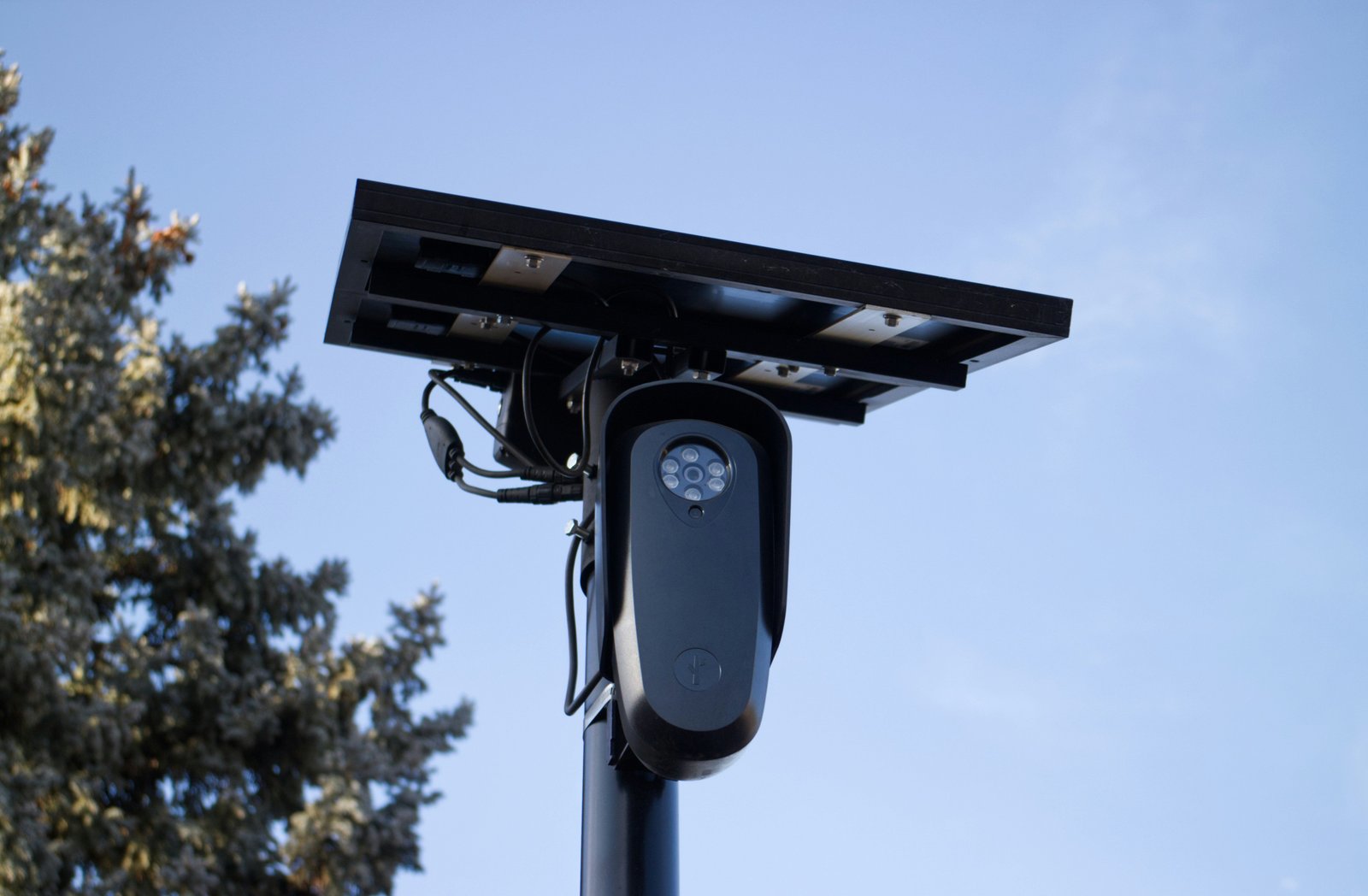
Unlike standard traffic cameras that take basic photos, Flock systems record vehicle colors, specific bumper stickers, and physical damage. This data gets shared across states without requiring a judge to sign off on a warrant. State lawmakers raised concerns about local agencies spending tens of millions of taxpayer dollars to install tens of thousands of cameras without proper legislative approval or public debate.
My Opinion
Seeing major state leaders step in to stop this technology shows that people are finally drawing a line when it comes to personal privacy. The main reason why Florida and Texas are pulling Flock cameras is that the promise of stopping minor crimes quickly turned into a system that tracks everyday drivers who have done nothing wrong.
Security cannot come at the total cost of personal freedom. When a company builds a massive network that logs every car driving down a public street, catalogs its unique features, and stores that information in a searchable national database, it creates a target for bad actors and rogue employees. Giving thousands of people access to a search engine that reveals where any driver goes throughout the day without a warrant is completely unacceptable.
Law enforcement officers need practical tools to do their jobs, but those tools must come with strict oversight, clear rules, and judicial warrants. Simply trusting agencies not to abuse an all-seeing AI network does not work. If a system makes it easy for bad actors to stalk citizens and log private travel, shutting down that funding is the only responsible decision a state government can make.
Bottom Line
Understanding why Florida and Texas are pulling Flock cameras reveals a change in how the nation balances public safety with basic digital privacy. As state bans go into effect and local cities review their existing contracts, tech vendors will have to accept that Americans want strong legal protections and real transparency before allowing automated AI surveillance onto public streets.