
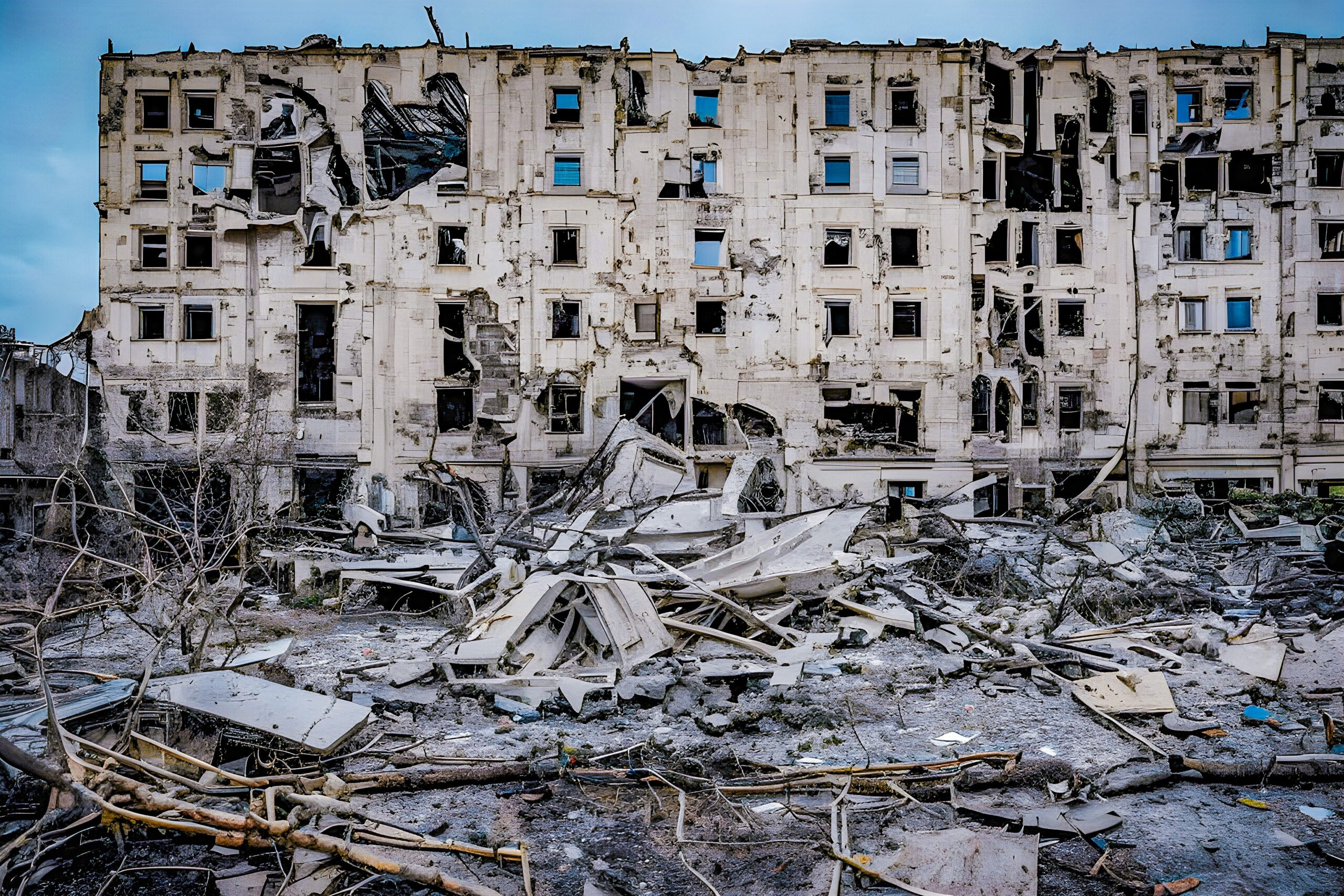
Many people are trying to understand why some residents are choosing to stay back even as heavy fighting moves close, and that is why the issue of why some Ukrainians would rather die at home than flee has become a major part of the discussion in the east right now.
The news coming from Dobropillia shows a painful mix of fear, attachment, exhaustion, and a kind of stubborn loyalty to home that outsiders may never fully understand. Before we even talk about the emotional side, the reality on the ground is harsh: Russian troops are pushing harder into the Donbas region, drones are everywhere, and many towns are being destroyed street by street.
What Is Happening on the Ground
Police rescue teams in eastern Ukraine are moving from house to house, trying to convince people to evacuate. Some listen. Many don’t. One of the most striking scenes was a 97-year-old woman standing at her doorway, refusing to leave even as family members begged her over a video call. Her windows are already blown out. Shells land close by. Drones pass overhead. But she still says she will not go. She is not the only one.
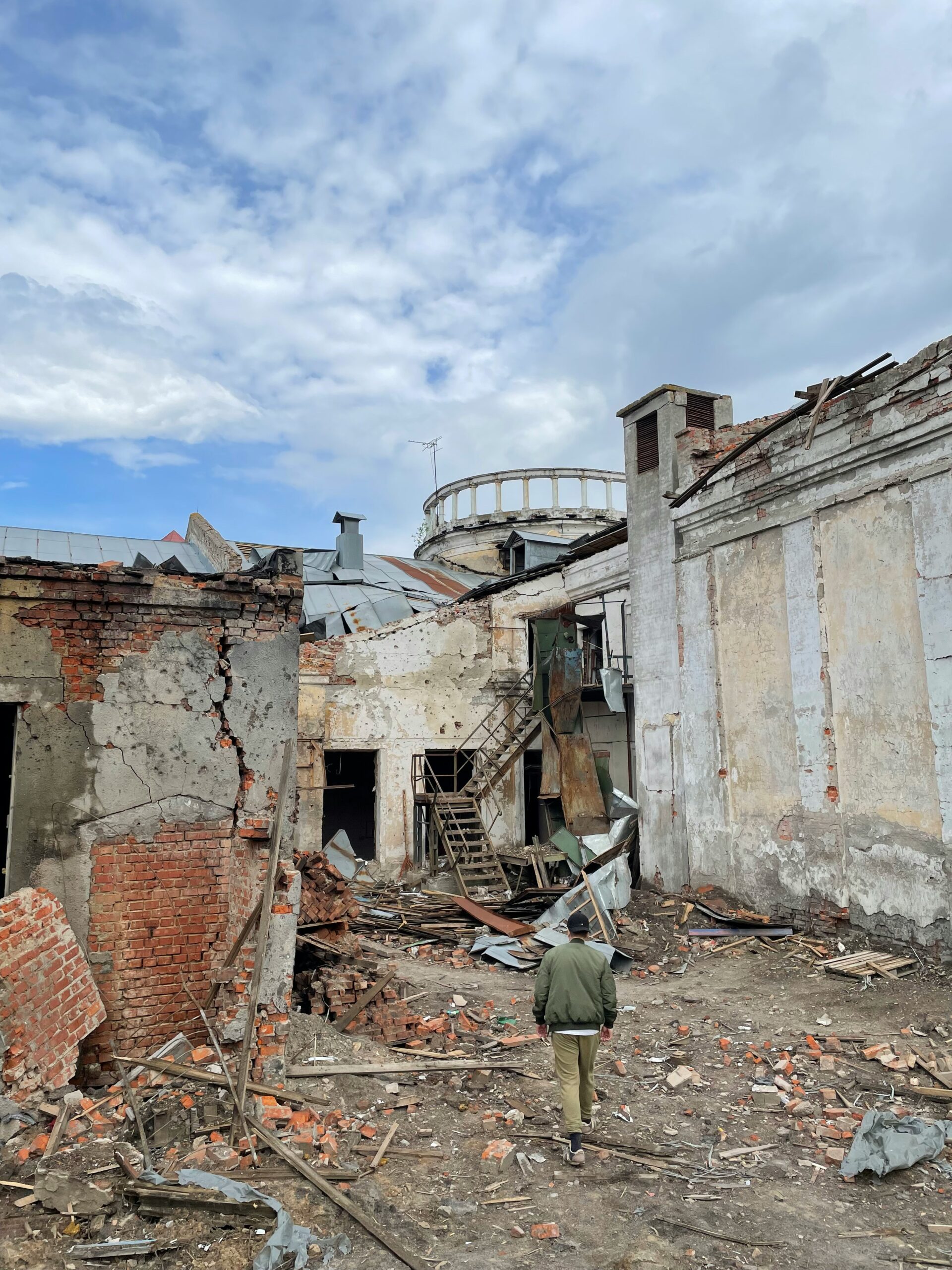
Dobropillia and nearby towns have been under steady attack for years. Now the danger is even closer because Russian forces want the whole Donbas. Bombs, artillery, glide weapons, and fast drones make daily life unpredictable. Roads are covered with camouflage nets to hide from drones, and burnt cars lie on the sides like warnings. Yet some residents still sleep in the same houses they have lived in their whole lives.
Why People Refuse to Leave
Some people stay for emotional reasons. Their home is their identity. The land is tied to childhood, marriage, memories, and generations before them. To leave feels like losing everything at once. Even when their roofs are gone or the walls are cracked, they feel safer in a familiar place than in a new city where they know no one.
Others stay because they are old, sick, or simply tired. Moving takes energy they no longer have. They fear the journey more than the bombs. Some feel they will only be a burden if they leave. They prefer to die in a place they understand rather than struggle somewhere new.
There are also parents who wrongly believe they can still protect their families. Police officers say some people evacuated earlier but returned later, putting their children in danger again. Many don’t accept how quickly things can change in a war zone.
The Pressure on Ukraine Right Now
Ukraine is in one of its hardest periods of the war. Power cuts are common. Russian forces are pushing closer in the east. Key towns are surrounded or half-destroyed. President Zelenskiy is meeting with European leaders in London, trying to strengthen Ukraine’s negotiating position as the U.S. pushes for a peace deal that many in Kyiv fear could force them to give up land.
U.S. envoys have moved between Moscow and Miami, talking to both sides. So far, nothing has been agreed. Zelenskiy keeps stressing the same point: Ukraine cannot give up land. The pressure from outside is growing, but the mood inside Ukraine is firm. People are tired but not ready to surrender.
A War That Is Now Deeply Personal
When you look closely, you see that people refusing to leave are not only resisting Russia. They are also resisting the idea that strangers far away should decide their future. The destruction has become so personal that some residents feel dying at home is better than living somewhere else under another country’s terms.
The White Angel police crew, trying to evacuate people, sees this struggle every day. They offer rides, shelter, food, and safety, but some still shake their heads. The war has made them suspicious, stubborn, and protective of what little they have left.
The Human Cost Nobody Likes to Talk About
It is easy for people online to ask, “Why don’t they just leave?” But leaving is not simple. Many have no money. No relatives. No documents. No transport. Some fear being homeless in a strange city more than staying in a house that might collapse. To them, dignity matters more than safety.
This is where the emotional and political realities meet. The world watches the big meetings and high-level plans. But on the ground, ordinary people face choices that are not truly choices. Survival sometimes loses to belonging.
A Painful Truth
As long as the war continues and as long as the international pressure increases, more civilians will face the same decision: run toward the unknown or stay in a familiar place that might kill them. What is happening in Dobropillia shows how deep the wounds of this war have become. People no longer think only in terms of safety. They think in terms of identity, land, pride, and the fear of being forgotten somewhere far away.