

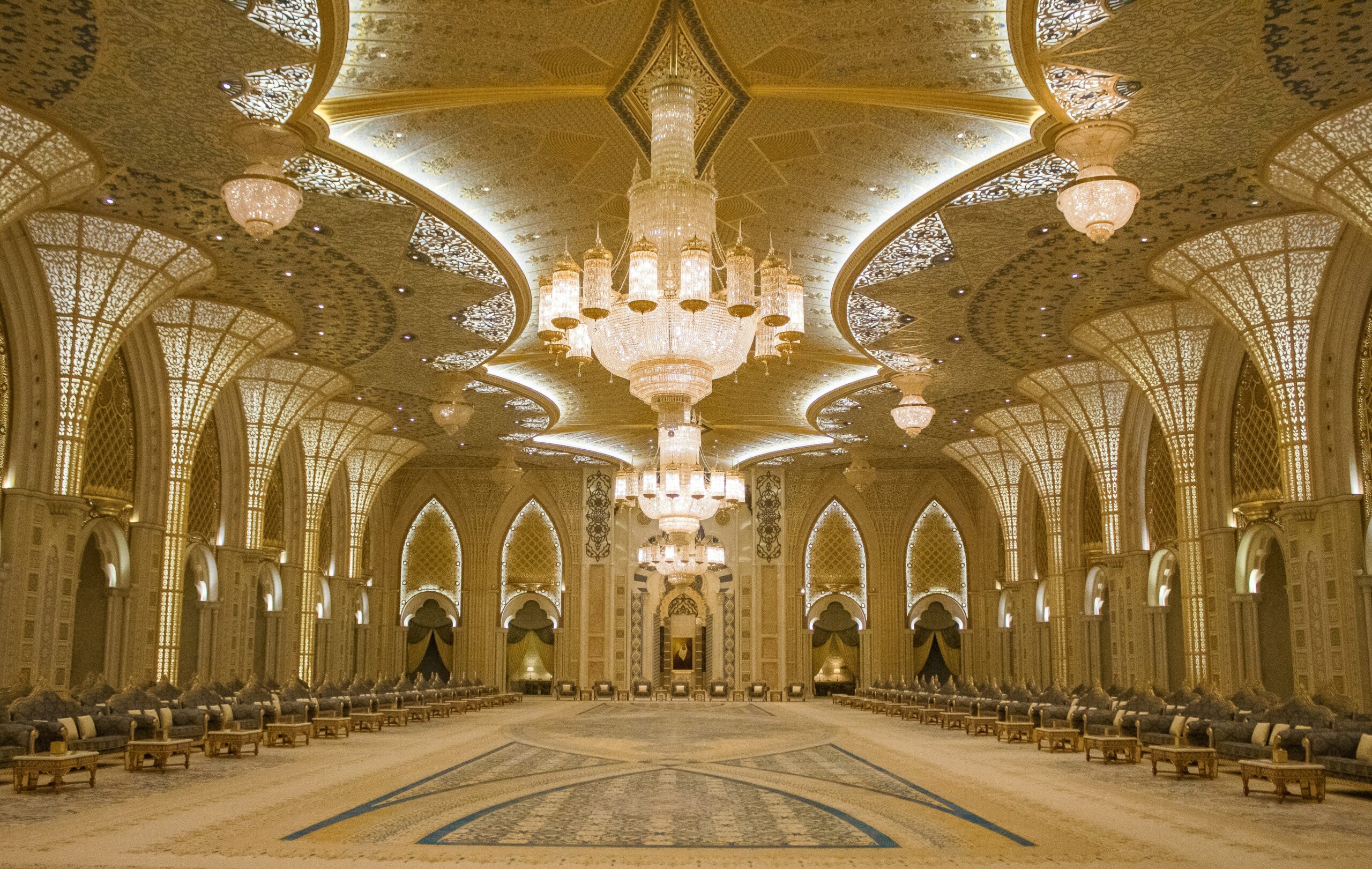
In an unprecedented legal showdown, a congressionally chartered guardian of American history is taking the White House to court, accusing President Donald Trump of illegally demolishing part of the presidential mansion to build a personal legacy project: a massive, privately funded ballroom.
The National Trust for Historic Preservation filed a federal lawsuit on Friday, demanding an immediate halt to construction and alleging the White House brazenly broke multiple laws by failing to seek any review before tearing down the historic East Wing in October. The suit pits one of the nation’s oldest preservation groups against the power of the presidency in a fight over who controls “the most evocative building in our country.”
“No President Is Legally Allowed”: The Core of the Case
The lawsuit is a direct challenge to presidential authority, arguing Trump has overstepped constitutional and statutory boundaries. “No president is legally allowed to tear down portions of the White House without any review whatsoever — not President Trump, not President Joe Biden, and not anyone else,” the filing states.
The Trust alleges the White House violated the law by: Beginning construction without filing plans with the National Capital Planning Commission, failing to conduct a required environmental assessment, and declining to seek authorization from Congress, which the Constitution grants control over federal property.
“The White House is arguably the most evocative building in our country and a globally recognized symbol of our powerful American ideals,” said Carol Quillen, President of the National Trust. The group says it was “compelled” to act after its private concerns were ignored.
A “Bustling Construction Site” for an Ever-Growing Project
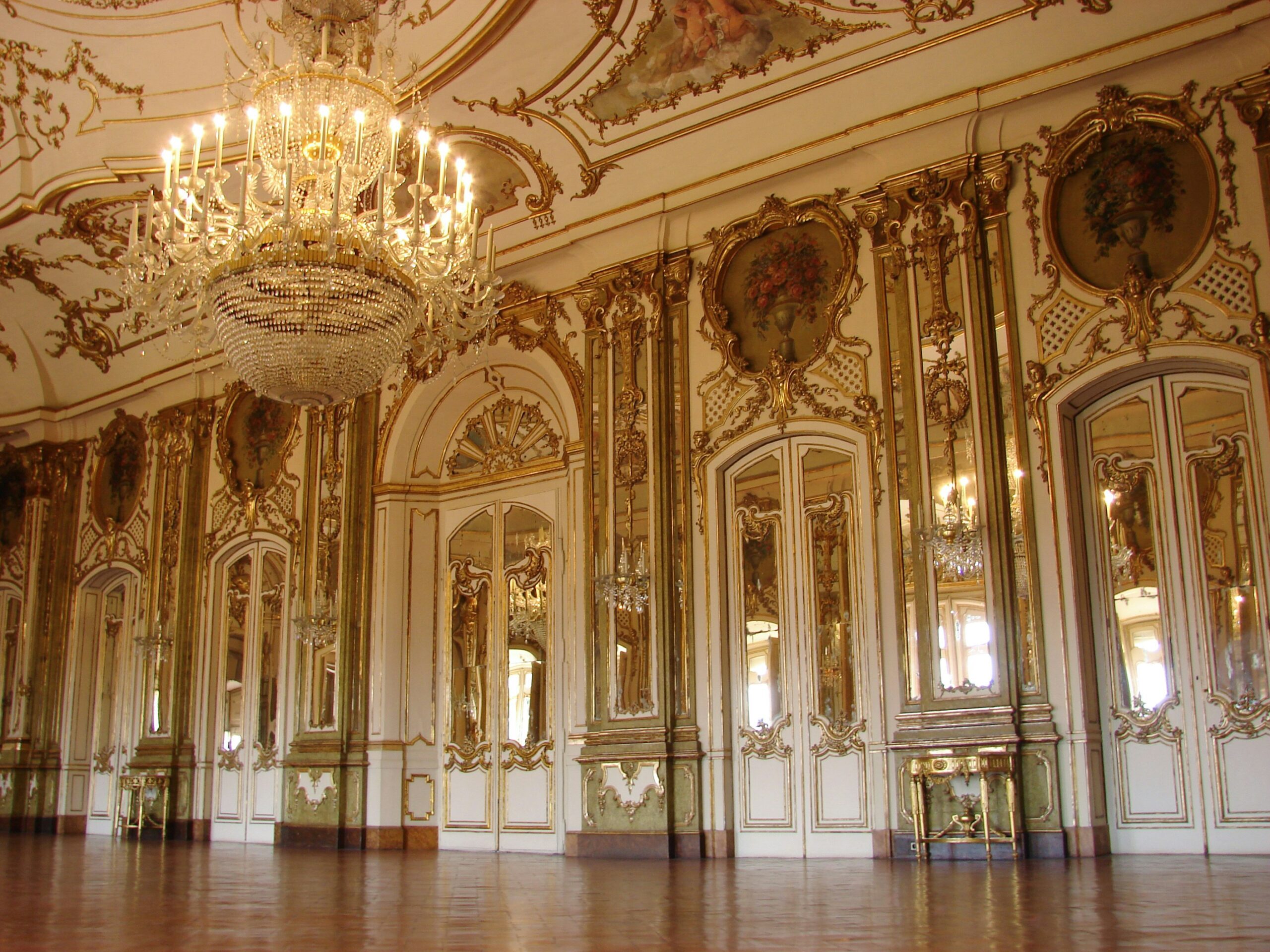
Contrary to earlier White House pledges of transparency, the lawsuit describes the South Lawn as “a bustling construction site,” with piles being driven, cranes erected, and work audible through the night. The project itself has ballooned from a 500-person ballroom to a venue for 1,350 guests, raising further questions about its scale and impact.
The White House, in a defiant statement, claims “President Trump has full legal authority to modernize, renovate, and beautify the White House – just like all of his predecessors did.” It calls the ballroom a “much-needed and exquisite addition,” paid for by private donors.
Why It Matters
The legal battle follows reported internal clashes over the project’s “size and scope,” which led to the replacement of the lead architect just last week. This suggests a palace dispute over the vision for the addition, now escalated into a federal court case.
The National Trust is asking the court to force the White House to submit to the “legally mandated review processes,” including a period for public comment—a democratic check on executive power that has so far been avoided.
The lawsuit is more than a zoning dispute; it is a referendum on whether the White House is a president’s private domicile to alter at will or a national treasure held in trust for the American people, whose alteration requires the people’s consent. The outcome will set a historic precedent for the balance of power at 1600 Pennsylvania Avenue.