The 2026 FIFA World Cup is supposed to be a multi-billion-dollar savior for global beverage giants. Companies like Anheuser-Busch InBev, Heineken, Molson Coors, and Diageo are pouring historic amounts of cash into the 104-match soccer spectacle. However, financial experts warn that this unprecedented marketing blitz will completely fail to cure a deeper crisis: a structural, years-long decline in alcohol consumption that is actively destroying the industry.
The North American Sobriety Crisis
The central issue for these beverage empires is that the tournament is primarily hosted in the United States, which has rapidly become the worst-performing alcohol market in the world. Driven by inflation-weary consumers cutting discretionary spending and younger generations completely abandoning traditional drinking habits, U.S. sales are cratering.
The financial pain is highly visible in corporate earnings reports. Diageo, the world’s largest spirits maker, watched its North American revenue drop 9% last quarter, dragged down by a devastating 15% plunge in U.S. spirits sales. Even popular high-end tequila brands like Casamigos are losing traction.
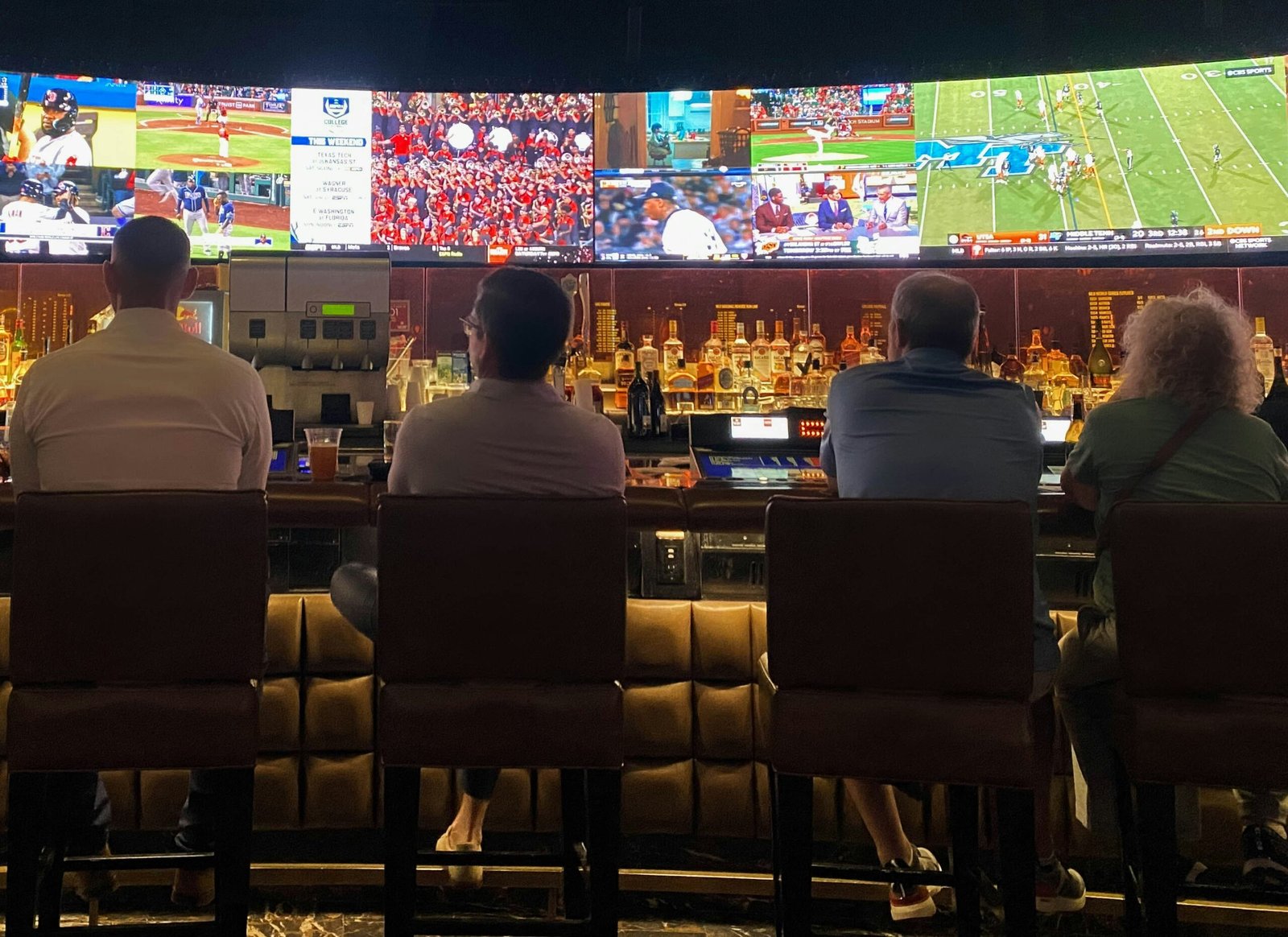
To combat this, Diageo signed a historic, pioneering deal with FIFA to become the World Cup’s first-ever official spirits sponsor. For the first time in tournament history, hard liquor will be sold directly inside stadiums and fan festivals, with Diageo heavily pushing Buchanan’s Scotch Whisky and Don Julio 1942 to recruit new, younger customers.
Big Beer’s Multi-Million Dollar Hail Mary
The beer industry is facing a similar uphill battle, with overall volumes declining another 6% over the past year. Because sports fans traditionally associate soccer matches with beer—making the six-week tournament “a Super Bowl that lasts a month” brewers are engaging in an all-out marketing war to spark a temporary surge in demand.
Anheuser-Busch, the official tournament sponsor for over 40 years, is abandoning its classic Budweiser promotions. Instead, the company is spending millions to plaster its low-carb Michelob Ultra brand across a post-match “MVP Trophy” and heavily funding local bar events to capture group watch parties.
Competitors are spending aggressively just to keep up. Heineken, despite not being an official FIFA sponsor, has increased its promotional bar spending by a massive 200%, handing out soccer-themed merchandise and selling limited-edition packaging.
Meanwhile, Molson Coors has boosted its summer ad budget by 60%, even launching a non-alcoholic option, Coors 0.0%. This pivot highlights the industry’s desperate scramble to survive; while regular beer collapses, the alcohol-free category grew by a staggering 15% last year.
Sponsoring a Soccer Match Won’t Fix an Outdated Product
The multi-million-dollar sponsorships being shoved down our throats this World Cup are a pathetic, desperate attempt by out-of-touch corporate executives to ignore reality. Alcohol giants are acting like the only thing standing between them and financial health is a soccer ball, but the truth is much simpler: Americans are tired of overpriced drinks, and a healthier younger generation is actively rejecting the toxic culture of heavy drinking.
Pouring hundreds of millions of dollars into putting tequilas and whiskies into family-friendly soccer stadiums is a predatory move to hook new drinkers.
CEOs like Diageo’s Dave Lewis can call this a “voyage of discovery” all they want, but it smells like absolute panic. Even if the industry gets a minor, temporary bump in sales over the next six weeks, it will do absolutely nothing to alter the long-term trend. The alcohol bubble has popped. When you have to rely on a 15% growth rate in non-alcoholic beer just to find a positive data point in your quarterly earnings, your industry is fundamentally broken. No amount of clever advertisements or stadium kiosks can force a sober public to start drinking again.