
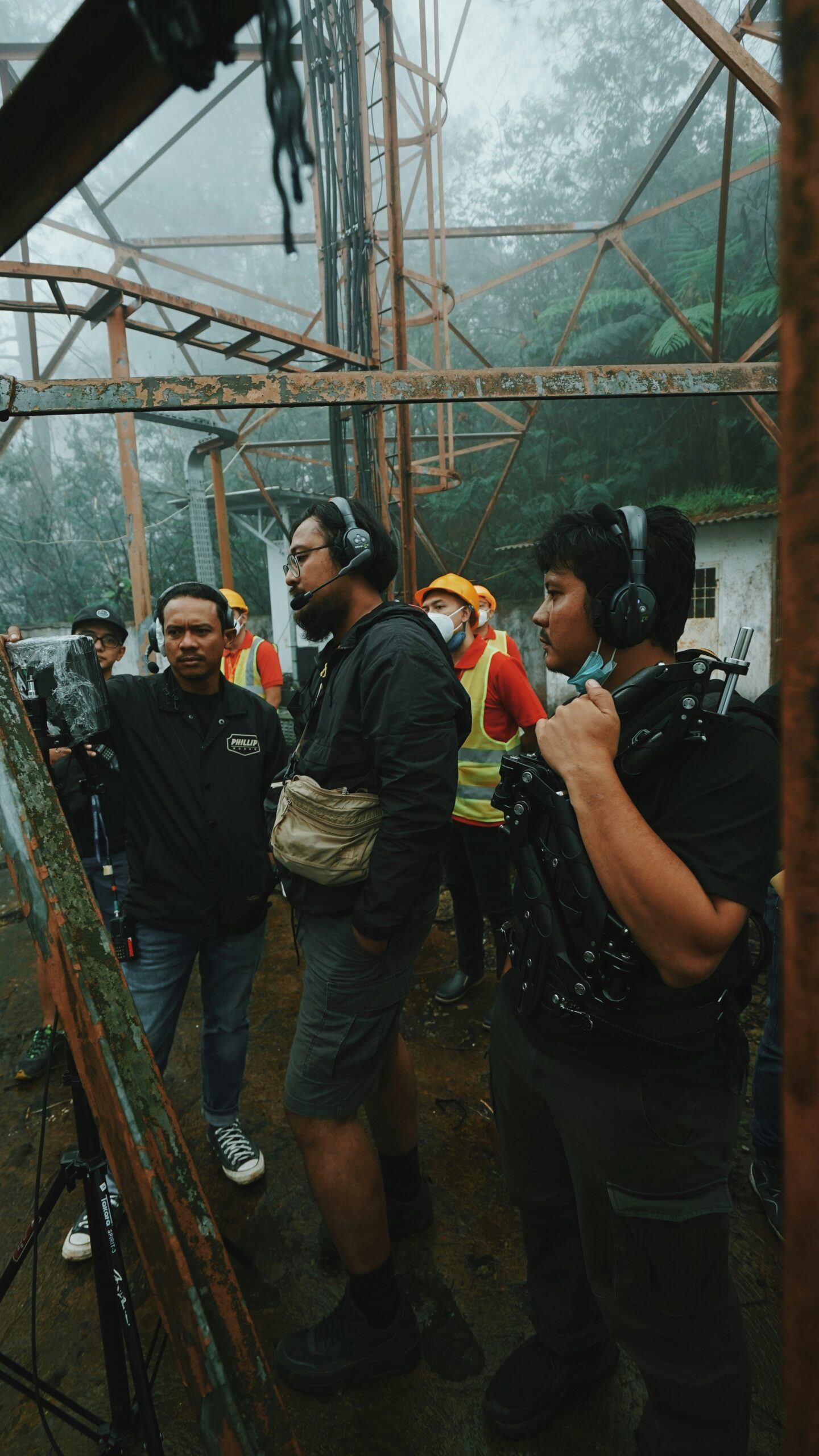
According to Venezuela’s National Press Association (SNTP), the government’s detention of more than a dozen journalists on Monday was a deliberate act of intimidation designed to control the political narrative in the chaotic wake of President Nicolás Maduro’s capture.
The SNTP stated that 14 media workers, including 11 from international outlets, were seized while covering two key events: a pro-Maduro street march and the swearing-in of the new legislature under interim leader Delcy Rodríguez. The press union frames these detentions not as isolated incidents, but as a coordinated “press purge” meant to stifle coverage and signal the new regime’s intolerance for independent reporting.
A Pattern of Control, Not Random Arrests
The SNTP’s account suggests a calculated pattern. By targeting journalists documenting both popular support for the ousted president and the formal proceedings of the state, the government aimed to sanitize the public story. The union confirmed that while all were later released, one foreign journalist was summarily deported—a stark warning to the international press corps.
This crackdown aligns with the immense pressure on the Rodríguez administration to project stability after Maduro’s dramatic arraignment on U.S. narcoterrorism charges. In this view, detaining the press is a foundational step in managing domestic perception and shielding the government’s fragile authority from scrutiny.
Silence from the State, Fear on the Ground
The government’s total silence—with the information and communications ministries refusing to comment—lends credence to the union’s claims of a deliberate blackout. The lack of official explanation creates a vacuum filled by fear, perfectly serving the goal of intimidation.
For the SNTP, the message from the state is unambiguous: the rules of engagement have changed. The detention of media workers is presented not as a security measure, but as the opening move in a broader campaign to ensure that the story of Venezuela’s crisis is told only by those now holding the reins of power, leaving the press and the public in the dark.
Why It Matters
The Venezuelan information and communications ministries have remained completely silent, refusing to comment or justify the detentions. Major international news agencies, including the Associated Press, Agence France-Presse, and CNN, also did not immediately respond to requests for comment, suggesting a climate of fear and confusion.
China’s foreign ministry issued a brief statement claiming all Chinese reporters in Venezuela were “safe,” a comment that did little to address the wider assault on media freedom unfolding in the streets of Caracas.
For the Rodríguez administration, the rules have changed. With Maduro gone and the U.S. effectively “running” the country, the new regime is moving quickly to muzzle the press, ensuring that the only story the world hears is the one it carefully authorizes—a “press purge” designed to leave the nation in an information blackout as power is violently transferred from a jailed president to his untested successor.