A New Jersey woman filed a flying bat lawsuit against the New York Yankees for $10 million after getting hit in the head by a piece of equipment during a game at Yankee Stadium. Stephanie Duluc, 37, was sitting in the VIP section behind home plate on June 2 when a player lost control of his bat. The lawsuit states that the team failed to keep fans safe because the protective netting in her seating section was lower than the surrounding netting, creating an open gap where the bat flew through and knocked her down.
How a Netting Gap Led to this Flying Bat Lawsuit
Duluc was attending the game between the Yankees and the Cleveland Guardians as a guest of her employer. During the fifth inning, a player’s bat slipped out of his hands and sailed past the barrier. The impact knocked Duluc out of her seat, causing a severe traumatic brain injury, a concussion, and physical damage to her hands.
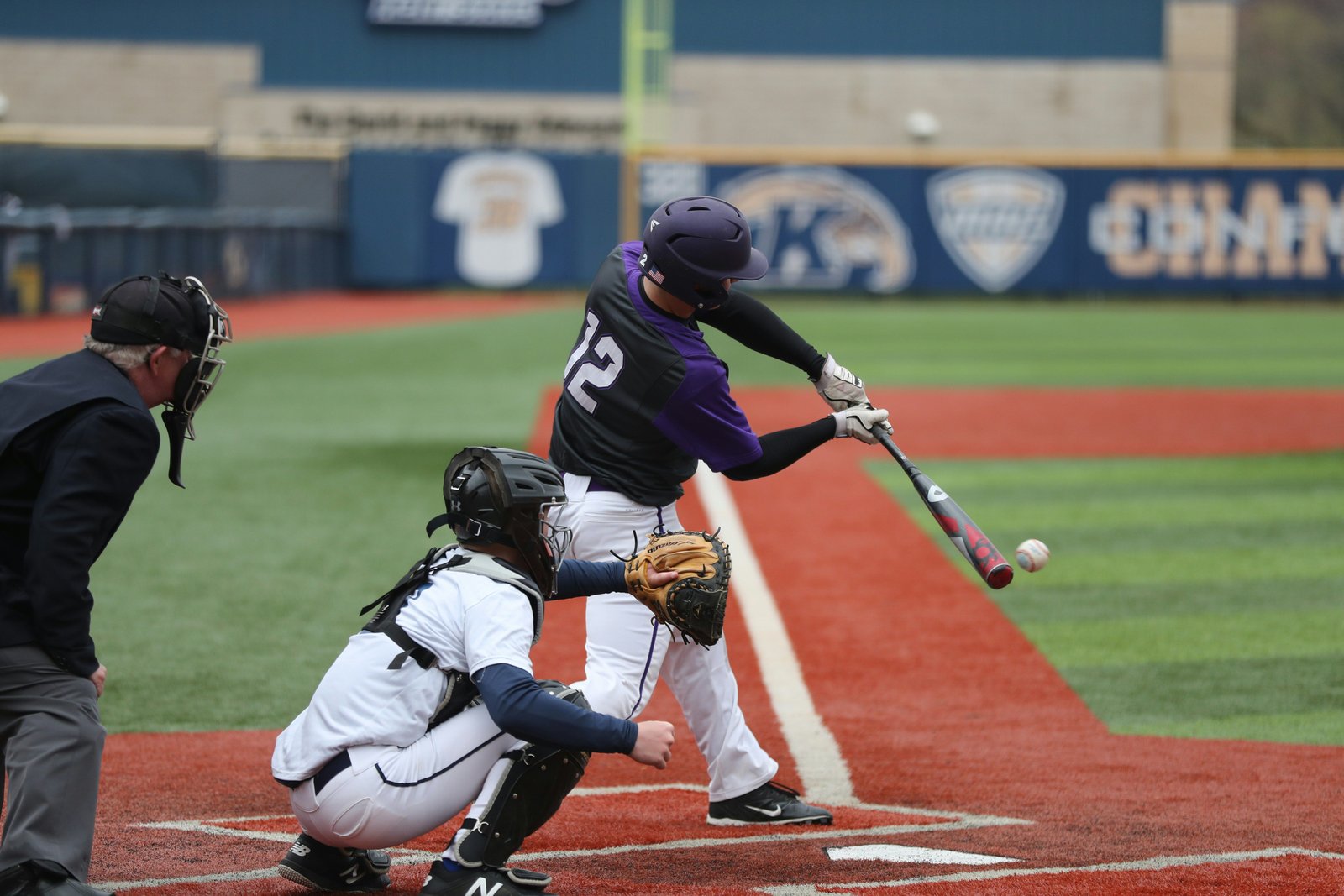
The court complaint alleges that while netting was installed in front of her row, it was built significantly lower than adjacent screens. Her legal team argues that this structural gap allowed the bat to fly over the safety barrier directly into the seating area. Because of her head injuries, Duluc has been completely unable to return to her job as a senior healthcare executive.
Legal Hurdles Facing the Flying Bat Lawsuit
Sports teams usually rely on a long-standing rule known as the “Baseball Rule” to protect themselves from lawsuits. Under this doctrine, fans sitting in the stands automatically accept the normal risks of attending a game, such as stray foul balls or accidental flying equipment.
However, teams are still required to provide reasonable protection in high-risk seating areas, especially right behind home plate. Since Major League Baseball mandated extended safety netting across all stadiums, this case will depend on whether the physical setup at Yankee Stadium was genuinely flawed. If the court finds that the team installed improper or lower netting in premium seats, the organization could be held legally responsible for negligence.
My Opinion
For decades, baseball teams have used the “Baseball Rule” as a shield to walk away from fan injuries. But when a team puts up safety netting, they are telling fans that the area behind home plate is safe to sit in without constantly dodging 90-mph foul balls or flying equipment. You cannot invite fans into expensive, high-risk seats, promise them protection with a screen, and then leave structural gaps right above their heads.
Buying a ticket to a baseball game means you accept reasonable risks, but it does not mean you sign away your safety to bad stadium design. Fans sitting behind home plate are often checking their phones, eating food, or talking to family because they assume the massive netting in front of them is doing its job. If a stadium leaves an opening in the safety netting just to maintain better views for luxury guests or camera angles, that is pure negligence.
A traumatic brain injury changes a person’s entire life in a split second. When someone loses their ability to work and live normally because a multi-billion-dollar sports team failed to set up basic safety barriers properly, holding the team accountable in court is completely justified. MLB fixed its stadium rules years ago to protect people from these exact injuries; now teams need to make sure their equipment actually works as intended.
Bottom Line
This flying bat lawsuit brings fresh attention to stadium safety standards and how teams protect fans in high-priced seats. If the court rules against the Yankees, baseball teams across the country will be forced to inspect their netting setups and close any remaining gaps to protect viewers.