• Home
  • News
  • Government
  • Business & Finance
  • Entertainment
  • Sports
  • Tech
  • Health
  • About Federal Character
  • Advertise With Us
Federal Character
No Result
View All Result
Federal Character
  • Home
  • News
  • Government
  • Business & Finance
  • Entertainment
  • Sports
  • Tech
  • Health
  • About Federal Character
  • Advertise With Us
No Result
View All Result
Federal Character
No Result
View All Result
China Moves Against Dozens of US Companies With Fresh Trade Restrictions

Xi’s Message to Biya Shows How China Woos Africa for Power

Eriki Joan UgunushebyEriki Joan Ugunushe
8 months ago
in Government
Reading Time: 3 mins read
A A
0
Facebook ShareWhatsapp ShareX Share

When Chinese President Xi Jinping sent his congratulatory message to Cameroon’s long-time leader Paul Biya after his re-election, it wasn’t just a polite diplomatic note it was another chapter in how China woos Africa for influence and power.

The tone of the message might sound friendly, but behind it lies a carefully crafted strategy Beijing has perfected across the continent: charm the leaders, secure loyalty, and expand control.

Table of Contents

Toggle
  • Flattery as Foreign Policy
  • Biya’s Fragile Grip and Beijing’s Gain
  • The “Sweet-Talk” Strategy
  • Africa’s Leaders, China’s Advantage

Flattery as Foreign Policy

In his message, Xi praised what he called the “traditional friendship” between China and Cameroon, describing both nations as long-time partners who trust each other politically and cooperate economically. He went on to say that China “attaches great importance” to its relationship with Cameroon and is ready to deepen its comprehensive partnership.
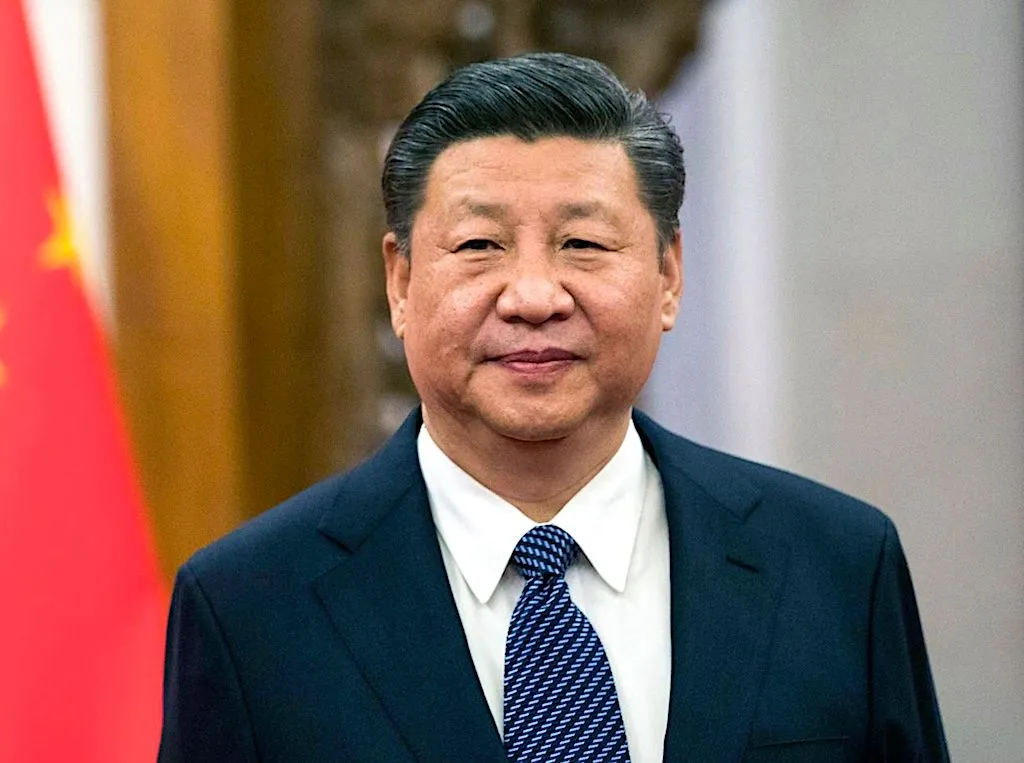
Xi’s Message to Biya Shows How China Woos Africa for Power

It all sounds harmless — until you realise how consistent this approach is. Every congratulatory message, every new deal, every handshake between Xi and African leaders fits into a larger plan: build goodwill through flattery, loans, and projects that sound generous but often leave African economies more dependent on Beijing.

Biya’s Fragile Grip and Beijing’s Gain

Paul Biya, one of Africa’s oldest rulers, has been in power for over four decades. Many Cameroonians describe his government as disconnected from the daily struggles of its citizens. Yet, for Beijing, that doesn’t matter. In fact, leaders like Biya, ageing, isolated, and eager for legitimacy — are the easiest to court.
Xi’s message to Biya shows how China continues to back African leaders who give it access to raw materials, infrastructure projects, and diplomatic loyalty at the United Nations. In exchange, these leaders get loans, stadiums, and the kind of political support that makes them appear relevant even when their domestic approval is fading.

The “Sweet-Talk” Strategy

China’s diplomacy in Africa often looks like friendship, but it’s built on quiet dominance. From Zambia to Kenya, from Nigeria to Cameroon, the pattern repeats: China lends money for massive infrastructure projects, supplies the manpower, and then slowly tightens its control when repayments become impossible.

Cameroon, rich in timber and minerals, has become one of Beijing’s quieter prizes. Projects like the Kribi Deep Sea Port and several energy plants are now symbols of this growing dependency. Xi’s message, filled with warm words and polite promises, is simply another layer of that charm offensive , one that hides power behind politeness.

Africa’s Leaders, China’s Advantage

It’s not only Cameroon that’s caught in this embrace. Across the continent, Chinese officials are busy writing letters, signing deals, and offering “win-win cooperation” speeches that mask deep economic leverage. For leaders like Biya, who face internal crises and dwindling legitimacy, China’s friendship feels like a lifeline.

But for ordinary Africans, the benefits are harder to see. Roads are built, yes, but the contracts, the labour, and often the profits go back to Chinese companies. When loans go unpaid, the assets risk falling into foreign hands.

Beijing’s message to Yaoundé may speak of “mutual respect,” but the reality is far from equal. China gets access to vital resources, political support in international forums, and a long-term presence in African markets. Cameroon, on the other hand, gets short-term development gains wrapped in long-term obligations.

Still, Biya’s administration has little choice but to welcome the attention. Western governments have grown wary of his rule, while China continues to treat him as a respected elder statesman.

China knows how to play the long game in Africa.

And that’s why Xi’s message to Biya shows how China woos Africa for power not with bullets or threats, but with charm, patience, and well-timed words, Africa beware.


Tags: africaBiyachinafederal characterForeign NewsgovernmentNewsXi
Share234SendTweet146
Eriki Joan Ugunushe

Eriki Joan Ugunushe

Eriki Joan Ugunushe is a dedicated news writer and an aspiring entertainment and media lawyer. Graduated from the University of Ibadan, she combines her legal acumen with a passion for writing to craft compelling news stories.Eriki's commitment to effective communication shines through her participation in the Jobberman soft skills training, where she honed her abilities to overcome communication barriers, embrace the email culture, and provide and receive constructive feedback. She has also nurtured her creativity skills, understanding how creativity fosters critical thinking—a valuable asset in both writing and law.

Related Stories

Trump Order Could Force Homeless Veterans Into Involuntary Care

Trump Order Could Force Homeless Veterans Into Involuntary Care

byEriki Joan Ugunushe
0

​ Under a newly revealed proposal, Many warn that a recent Trump order could force homeless veterans into involuntary care and state-supervised guardianship programs against their will. ​The...

Supreme Court Clears Trump to Deport 350,000 Immigrants

Supreme Court Clears Trump to Deport 350,000 Immigrants

byEriki Joan Ugunushe
0

​The U.S. Supreme Court has handed victory to the White House's hard-line immigration agenda, with the legal barriers removed, the Supreme Court clears Trump to deport 350,000 immigrants...

Obama-Appointed Judge Shuts Down Trump's Mail-In Voting Ban

Obama-Appointed Judge Shuts Down Trump’s Mail-In Voting Ban

byEriki Joan Ugunushe
0

​A federal judge in Boston has delivered a setback to the Trump administration’s efforts to restrict mail-in voting. On Thursday, U.S. District Judge Indira Talwani, who was nominated...

More Nigerians Flee South Africa Ahead of June 30 Protest

More Nigerians Flee South Africa Ahead of June 30 Protest

byEriki Joan Ugunushe
0

Xenophobia in South Africa has forced hundreds of West African citizens to return home as more Nigerians flee South Africa ahead of the June 30 protest dates. On...

Next Post
Inside the Cover-Up: How Washington Protected Israel in Gaza

Inside the Cover-Up: How Washington Protected Israel in Gaza

Leave a Reply Cancel reply

Your email address will not be published. Required fields are marked *

Federal Character

We bring to you precise and factual news.
Towson, Baltimore, Maryland, USA

Recent Posts

  • Midi vs. Maxi: How to Choose the Skirt Length That Actually Works for You
  • Trump Order Could Force Homeless Veterans Into Involuntary Care
  • Supreme Court Clears Trump to Deport 350,000 Immigrants

Categories

  • Beauty
  • Business & Finance
  • Entertainment
  • Fashion & Lifestyle
  • Food & Nutrition
  • Government
  • Health
  • News
  • Politics
  • Sports
  • Tech

Weekly Newsletter

  • Home
  • About Federal Character
  • Advertise With Us
  • Cookie Policy

Copyright © FederalCharacter.com 2026 .

Welcome Back!

Login to your account below

Forgotten Password?

Retrieve your password

Please enter your username or email address to reset your password.

Log In
No Result
View All Result
  • Home
  • News
  • Government
  • Business & Finance
  • Entertainment
  • Sports
  • Tech
  • Health
  • About Federal Character
  • Advertise With Us

Copyright © FederalCharacter.com 2026 .