Ukrainian President Volodymyr Zelenskyy has appealed to US lawmakers to intensify pressure on Russia by approving tougher sanctions and expanding military assistance, arguing that economic measures could prove more decisive than battlefield operations.
Zelenskyy made the appeal during a bipartisan meeting with senators on Capitol Hill ahead of a procedural vote on a sweeping Russia sanctions bill.
During the meeting, he reiterated requests for Washington to approve Ukraine’s domestic production of Patriot air defence missiles, ensure continued supplies of PAC-3 interceptor missiles used by the Patriot system and maintain access to the Starlink satellite network for long-range military targeting.
His requests echoed proposals he presented to US lawmakers during last month’s NATO summit in Ankara, Turkey.

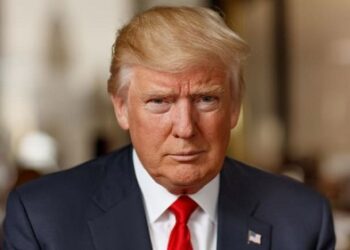
President Donald Trump had also said during the summit that he intended to allow Kyiv to manufacture the much-needed Patriot missile defence system.
South Dakota Republican Senator Mike Rounds said Zelenskyy’s latest presentation closely mirrored the message he delivered during the NATO gathering, focusing on additional military support alongside stronger sanctions against Moscow.
Following Tuesday’s meeting, Senator Jim Risch of Idaho said both Zelenskyy and Finnish President Alexander Stubb, who also met lawmakers on Capitol Hill, believed sanctions could play a decisive role in ending the conflict.
“Both were of the opinion that this was at least as effective, maybe more effective, at bringing this war to an end that everybody wants to see. And this piece of legislation may have more effect than anything that’s done on the battlefield,” Risch said.
Yehor Cherniev, a Ukrainian lawmaker and member of Zelenskyy’s Servant of the People party, said recent engagements between Trump and the Ukrainian president reflected improving ties between both countries.
“Previous misunderstandings and contradictions are a thing of the past, and now both countries act as allies,” Cherniev said.
Despite growing support for the sanctions legislation, uncertainty remains over its passage.
Senate Majority Leader John Thune is pushing to fast-track the bill for approval this week, but lawmakers must still resolve several issues before it can clear the Senate and later overcome potential challenges in the House of Representatives.
Although the White House has expressed support for the proposal, its backing has been measured, while Republican leaders in both chambers had previously delayed advancing the legislation out of consideration for Trump’s position.