
A coalition of 12 states filed an antitrust lawsuit on Monday to block the blockbuster $111 billion Paramount-Warner Bros. merger. Led by California Attorney General Rob Bonta, the group of Democratic attorneys general chose to directly defy the federal Department of Justice, which had officially given its blessing to the media consolidation just last month. State regulators argue that allowing two of the country’s oldest, most powerful legacy studios to combine into a single entertainment giant will heavily damage competition across wide-release theatrical distribution, blockbusters, and basic cable licensing.
Defying the Federal Government’s Blessing
Federal antitrust regulators issued a long, unusually supportive commentary in June, arguing that combining Paramount Skydance and Warner Bros. Discovery would actually benefit consumers by building a stronger, more sustainable streaming competitor to fight off Netflix, Amazon, and Disney. However, the 12 states are completely rejecting that view, warning that the federal agency has consistently backed away from major corporate oversight and corporate monopolies over the last year. By filing this independent challenge, the coalition is aiming to secure a swift court injunction to pause the entire multi-billion-dollar transaction before its scheduled closing date later this month.
Controlling the Future of Cinema and Cable
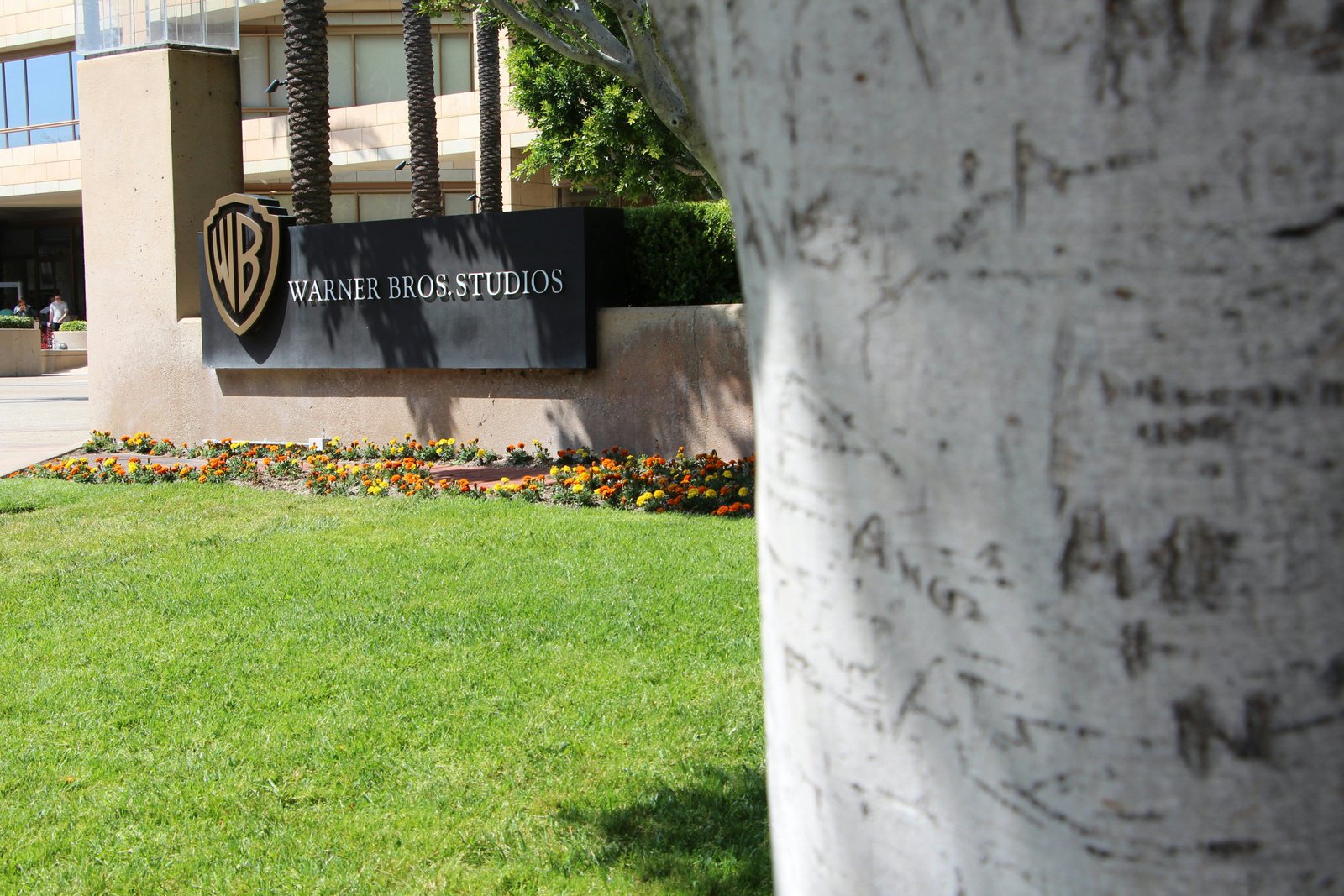
According to the filed complaint, a successful Paramount-Warner Bros. merger would give a single entity an incredibly dangerous level of market dominance. The states argue that the new combined company would immediately control:
1. 27% of the wide-release theatrical distribution market.
2. 30% of all anticipated blockbuster and “top-grossing” Hollywood films.
3. 27% of the standard American basic cable television bundle.
With only five legacy studios left in existence, controlling nearly 90% of the entire industry, state prosecutors argue that removing one of those major independent players will choke out movie theaters, drive up subscription prices for audiences on every sofa, and result in fewer unique stories getting greenlit.
My Opinion
For years, entertainment conglomerates have been hollowing out their creative assets, chasing after mindless sequels, and buying up rivals to pad out their streaming library numbers.
Paramount’s leadership, including CEO David Ellison, is trying to spin this as a win for workers, claiming it will create more production jobs and help them survive against Silicon Valley giants. But this strategy always ends the same way. When Disney bought 20th Century Fox, thousands of people lost their jobs, mid-budget original movies were thrown into the trash, and independent filmmakers lost a vital studio champion.
If this $111 billion deal goes through, you are essentially letting two historical competitors merge into a giant, bloated monopoly. The Department of Justice giving this a green light is completely ridiculous and shows that federal regulators are falling asleep at the wheel when it comes to holding big corporations accountable. When a tiny handful of people control everything you are allowed to watch in a theater or stream on a television, independent thought and artistic variety die out. Rob Bonta and these state attorneys general are completely right to step in and put up a fight.
Bottom Line
The legal battle over the Paramount-Warner Bros. is a turning point for the future of global entertainment. By using an independent antitrust lawsuit to bypass a passive Department of Justice, California and its sister states are attempting to draw a hard line against runaway corporate consolidation.