

Almost a week after a failed coup plunged the nation into crisis, 200 West African soldiers remain on the ground in Benin for what officials call a “sweep and clean-up operation.” But the sanitized term belies their true mission: a targeted manhunt for the coup plotters and a strategic effort to prevent a jihadist insurgency from exploiting the chaos.
Benin’s Foreign Minister Olushegun Adjadi Bakari confirmed the foreign troop presence for the first time on Thursday, revealing the force is mainly composed of Nigerian and Ivorian soldiers. Their deployment, under the banner of the West African bloc ECOWAS, is a direct signal that the region will no longer tolerate military coups.
The “clean-up” follows what Nigerian and Beninese officials described as a precise, surgical intervention. When rebel soldiers seized a military base and state TV on Sunday, declaring a takeover, Benin’s loyalist forces had already pushed them back. What they needed was “precise aerial back-up,” according to Bakari.
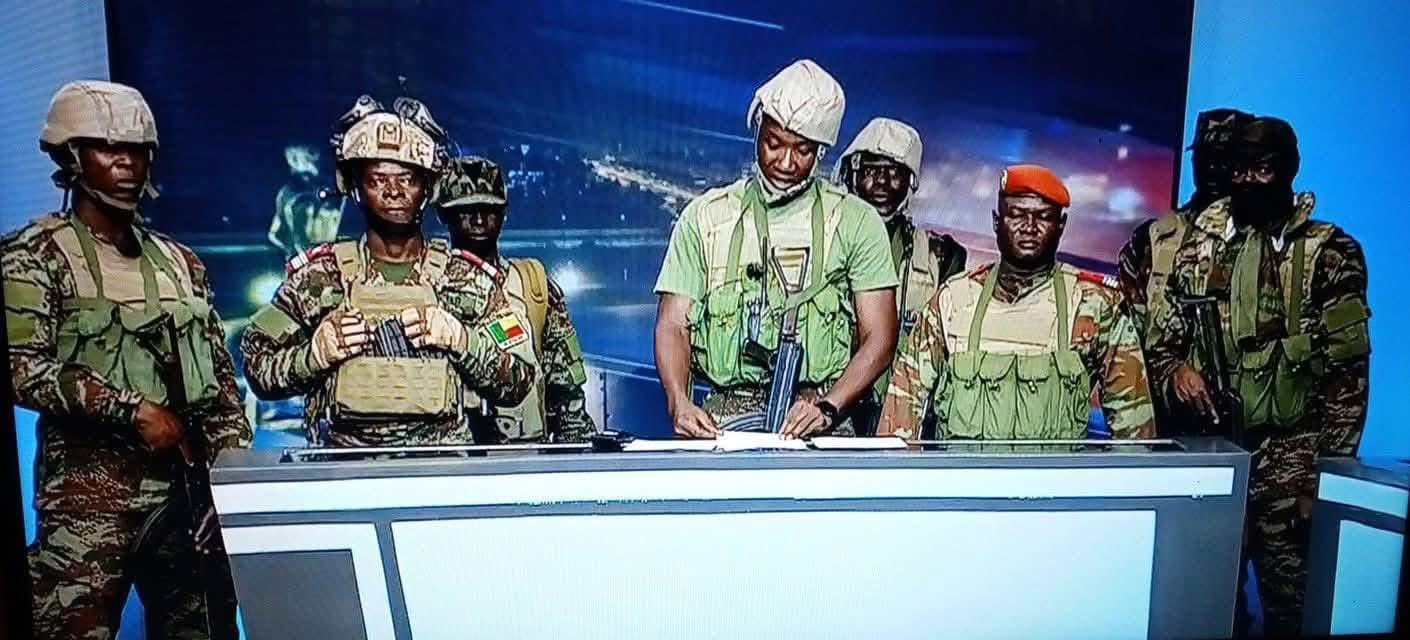
Nigeria answered the call, scrambling fighter jets to “dislodge the mutineers” from their strongholds in an operation designed to avoid civilian casualties. “Fast diplomatic, military, and intelligence actions… helped to foil the coup,” said Nigeria’s Foreign Minister, Yusuf Maitama Tuggar.
Fugitives in Togo and a ‘Deteriorating’ Northern Front
While securing state buildings is part of the job, the soldiers’ core objectives are more dynamic and perilous, and the job description can range from hunting the coup leader and securing a jihadist front.
The coup plotters’ primary grievance was the “continuing deterioration of the security situation in northern Benin.” Benin’s army has suffered significant losses as jihadists linked to Islamic State and al-Qaeda spill south from insurgency-wracked Niger and Burkina Faso. The 200 ECOWAS troops are a firewall, preventing these militants from capitalizing on the country’s temporary instability.
ECOWAS Draws a Red Line
The robust, rapid response marks a decisive shift for ECOWAS. Humiliated by a string of successful coups in Mali, Burkina Faso, and Niger—which have since formed their own rival alliance—the bloc is demonstrating a newfound political will to defend its remaining members.
“The last thing ECOWAS needs is another successful coup on its watch,” said a regional security analyst. “This isn’t just about Benin; it’s about stopping the dominoes from falling further and proving the bloc still has teeth.”
Discussions are ongoing about how long the foreign soldiers will stay. For now, their presence is a clear message: the “clean-up” is not over until every plotter is found and the door to further chaos is firmly shut.