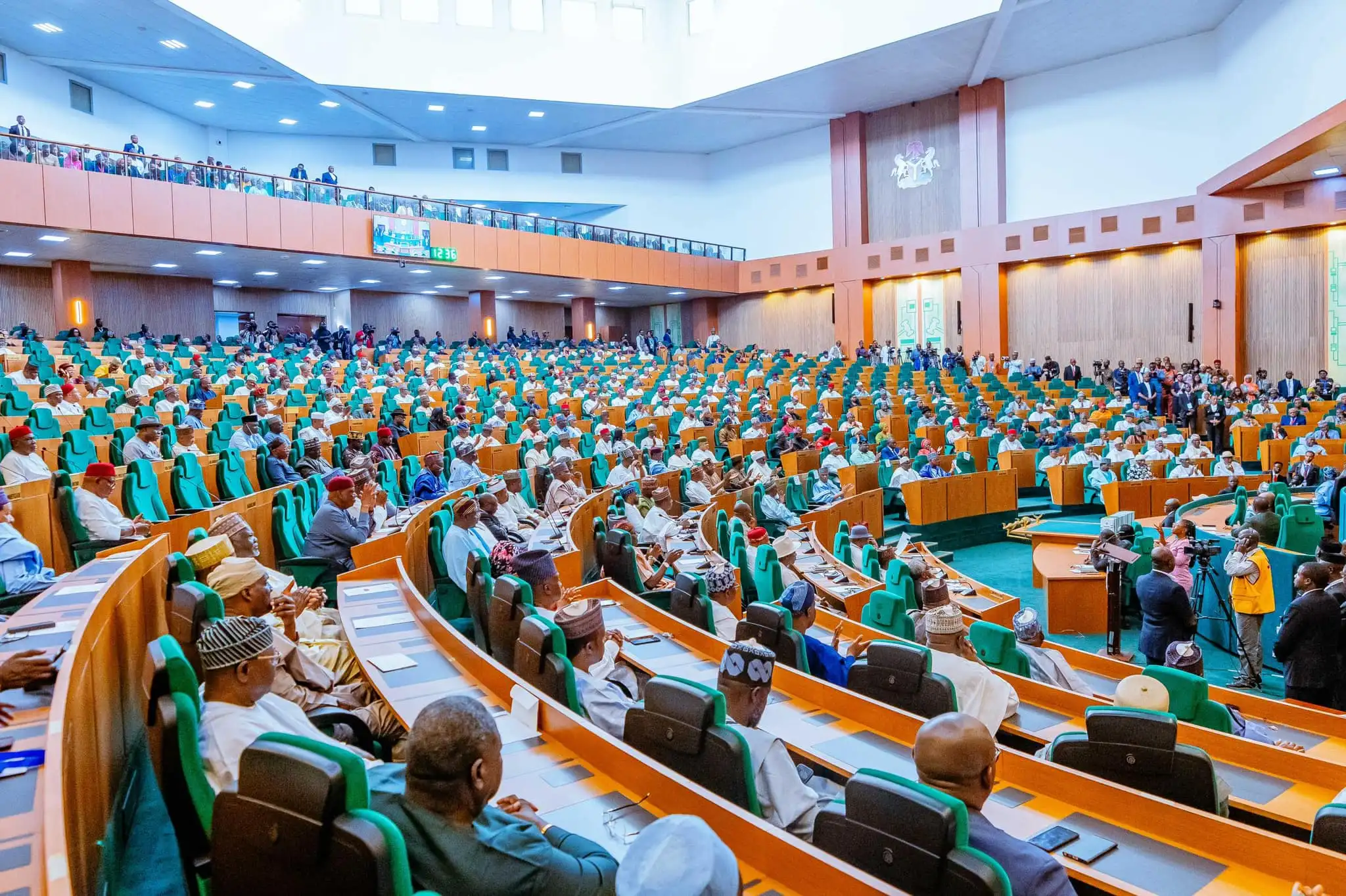

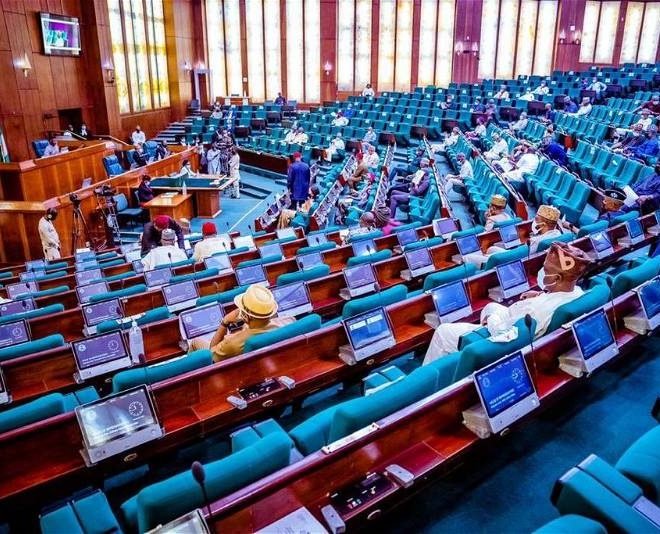
A new wave of defections swept across the House of Representatives on Tuesday, with several lawmakers switching party allegiance in what is widely seen as political maneuvering ahead of the 2027 general elections. At the resumption of plenary after the Easter break, Deputy Speaker Benjamin Kalu, who presided, read multiple defection letters on the floor of the House. The letters were not routine. They were signals.
Kalu dismissed fears that the trend points toward a one-party system, describing it instead as a reflection of democratic freedom. According to him, the cross-carpeting cuts across both majority and minority parties, underscoring the flexibility of Nigeria’s multiparty system. That is the official framing. But flexibility is not the same as stability. And what the House witnessed on Tuesday was a scramble for position, not an exercise in democratic theory.
The Winners and Losers
One of the prominent defections came from Lagos, where Thaddeus Attah, representing Eti-Osa Federal Constituency, left the Labour Party for the African Democratic Congress. In his letter, Attah cited the lingering leadership crisis within the Labour Party, which he said has affected his ability to serve his constituents effectively. The Labour Party has been fractured since the 2023 election. Attah’s departure is a symptom, not a cause.
The People’s Democratic Party suffered the heaviest losses in the latest round, with five members exiting its ranks. Abubakar Abdul from Niger State defected to the All Progressives Congress. Yakubu Noma from Kebbi joined the ADC. Ibrahim Mohammed, also from Kebbi, moved to the APC. In Osun State, two PDP lawmakers—Mudashiru Alani, representing Ayedire/Iwo/Ola-Oluwa Federal Constituency, and Adetunji Olusoji of Odo-Otin/Ifelodun/Boripe—defected to the Accord Party.
But the APC, despite making gains, also recorded setbacks. David Fuoh from Taraba State defected to the PDP. Bashir Zubair of Kaduna State joined the ADC. The realignments are two-way. No party is immune.
The ADC’s Quiet Rise
The most notable story may be the African Democratic Congress. The ADC has been positioning itself as a viable opposition force. It defied INEC to hold its national convention. It has attracted figures like Atiku Abubakar, Peter Obi, and Rotimi Amaechi. And now, it is poaching lawmakers from both the PDP and the Labour Party.
The ADC’s growing profile in recent defections signals a gradual broadening of Nigeria’s political space beyond the traditional dominance of the APC and PDP. That is significant. For years, Nigerian politics has been a two-party story with minor players on the margins. The ADC is trying to change that. Tuesday’s defections suggest it is succeeding.
Why Lawmakers Are Moving
Party defections have long been a recurring feature of Nigeria’s political system, particularly as election seasons approach. With less than two years until the 2027 polls, lawmakers appear to be recalibrating their political alignments amid internal party disputes, electoral prospects, and shifting alliances.
The current trend is largely driven by unresolved leadership tussles within key parties, especially the PDP and Labour Party, alongside intensified efforts by both major and emerging parties to consolidate their ranks ahead of party primaries. For many legislators, decisions on party affiliation are often influenced by re-election considerations, access to party structures, and alignment with dominant political forces at both state and national levels.
In plain English, lawmakers are following the path to power. If their current party cannot guarantee re-election, they find one that can.
Since the inauguration of the 10th National Assembly in 2023, the APC has retained majority control in the House. That has not changed. But opposition parties continue to reposition through strategic defections and alliances. The PDP is losing members. The Labour Party is losing members. The ADC is gaining. The APC is gaining and losing.
The Bottom Line
A new wave of defections swept through the House of Representatives on Tuesday. The PDP lost five members. The Labour Party lost a prominent Lagos lawmaker. The ADC gained from both. The APC gained some and lost others. Deputy Speaker Benjamin Kalu described the cross-carpeting as democratic freedom, not a slide toward a one-party system.
But the underlying message is political, not philosophical. The 2027 election is approaching. Lawmakers are positioning themselves. The ADC is emerging as a real alternative. And the PDP is struggling to hold its ranks.