The US Department of Homeland Security (DHS) has spent about $464 million acquiring 10 aircraft intended to support Immigration and Customs Enforcement (ICE) deportation operations, but most of the planes have seen little or no use since being delivered.
The fleet, known as “ICE Air,” was acquired as the Trump administration sought to significantly increase the number of deportations carried out across the United States. However, the programme has faced maintenance, staffing and operational challenges that have left much of the fleet grounded.
ICE previously relied mainly on chartered aircraft operated by private airlines, including GlobalX, Eastern Air Express and Omni Air International. The arrangement allowed the government to pay for aircraft only when additional capacity was required rather than taking responsibility for owning and maintaining an entire fleet.
However, DHS officials determined that existing charter capacity was insufficient for the administration’s deportation targets. The department therefore moved to establish a dedicated fleet capable of supporting deportation flights, high-risk missions and emergency operations.
The 10 aircraft were purchased from Daedalus Aviation under a $464 million contract. The fleet includes seven Boeing 737-700s formerly operated by Avelo Airlines, a Boeing 737 MAX 8 BBJ and two Gulfstream business jets, a G650 and a G650ER.
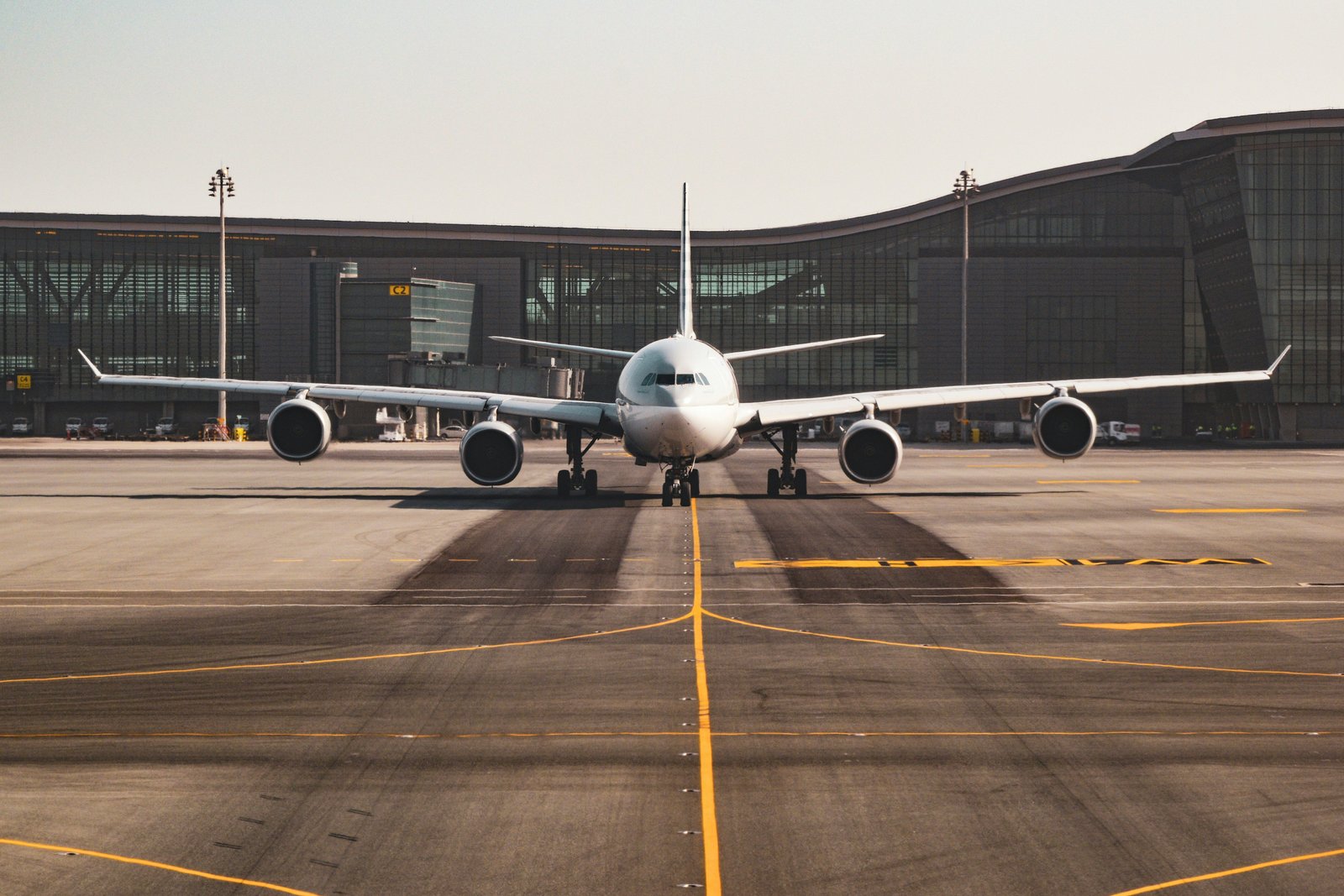
Most of the Boeing aircraft were delivered during 2026 but have spent significant periods parked. DHS has said five of the 737-700s are undergoing maintenance, while the remaining two are expected to begin deportation operations later in August.
The Gulfstream aircraft have also remained largely unused, with DHS reportedly seeking to lease them to other government agencies.
Beyond maintenance, DHS faces another obstacle: it does not have enough pilots, flight attendants and security personnel to operate the aircraft. The department initially appeared set to operate the fleet itself but has since sought private contractors to provide the personnel and manage the flights.
The full fleet is currently expected to become operational by July 2027, potentially leaving some aircraft grounded for more than a year after acquisition.
The purchase has attracted criticism over whether owning the aircraft represents a financially sensible approach. ICE has historically paid an average of $8,577 per hour for charter flights, allowing the agency to scale operations up or down depending on demand.
Owning aircraft, by contrast, leaves DHS responsible for maintenance, storage and other costs even when the planes are not flying.
John Sandweg, a former acting director of ICE under the Obama administration, questioned the decision to purchase the aircraft.
“If you had asked me to write down a list of things ICE needed to do to increase the number of deportations, buying its own fleet of airplanes would absolutely not make the top ten,” Sandweg told The New York Times.
The procurement has also attracted political scrutiny because Daedalus Aviation, which acted as a broker for the purchase, received the contract through a no-bid process. Its chairman, Dr William Walters, has reportedly donated to a political action committee linked to former Homeland Security Secretary Kristi Noem.
The transaction has prompted accusations of favouritism, although DHS has defended the acquisition as necessary to expand deportation capacity.
The department has also faced questions over who was responsible for the decision. DHS officials have attributed the purchase to Noem, who was removed as secretary in March 2026, while representatives for Noem have said current Secretary Markwayne Mullin finalised the deal.
The Trump administration has set an ambitious target of deporting one million people annually. DHS said more than 605,000 people were formally deported from the US in 2025.
ICE currently conducts hundreds of deportation flights each month using chartered aircraft, transporting detainees to their countries of origin and between detention facilities within the US.
While the dedicated fleet could eventually increase ICE’s capacity, critics argue that the government has taken on substantial financial and operational responsibilities that could have been avoided through the existing charter system.
The long-term value of the aircraft could also become uncertain if deportation levels fall under a future administration, leaving DHS responsible for maintaining a fleet of expensive, depreciating planes that may no longer be required at the same scale.