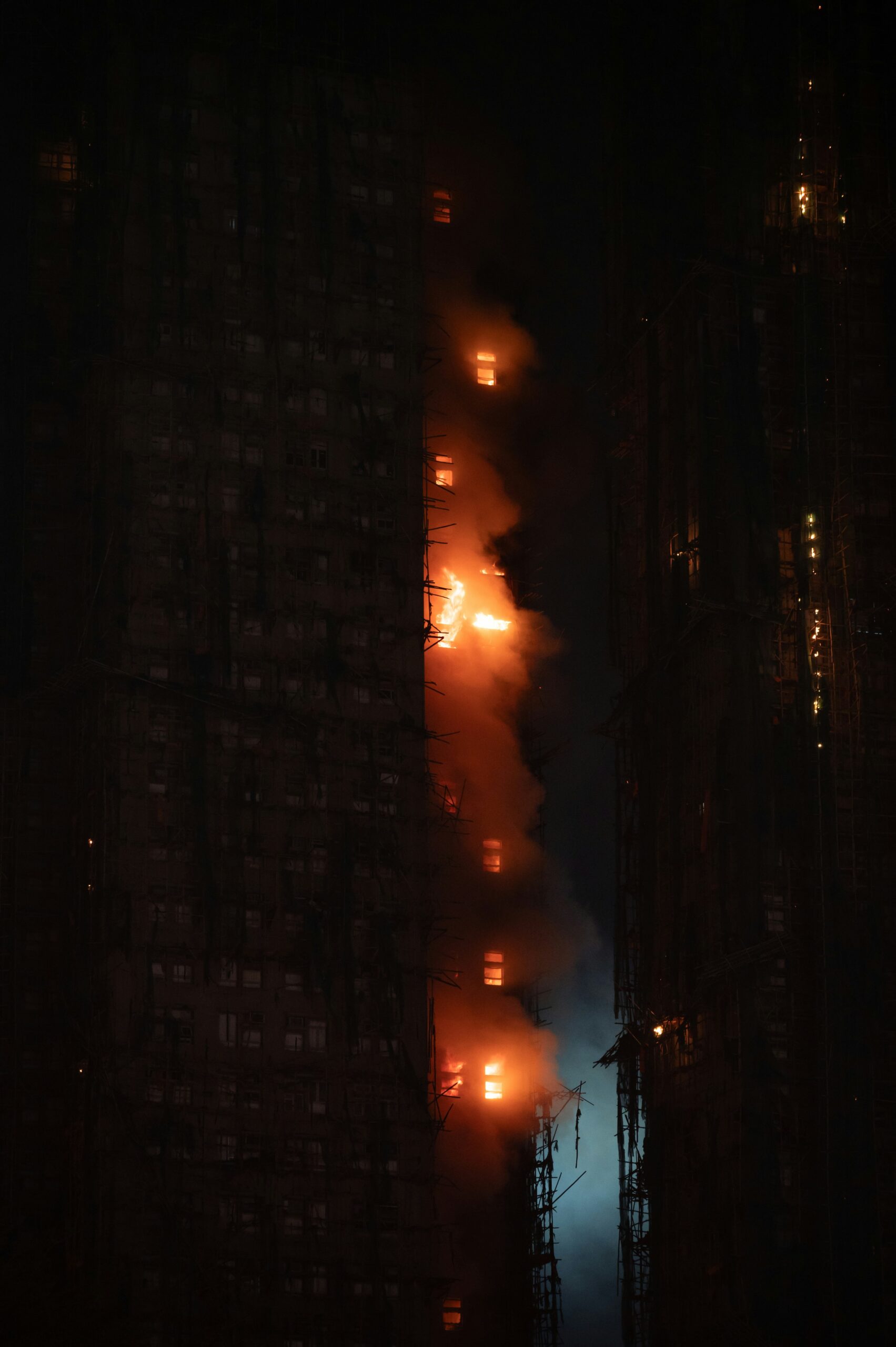
Hong Kong is entering this election period in a very tense mood. The recent fire, which claimed many lives, has changed the atmosphere of the city completely. Many people now say the vote, meant to showcase the strength of the “patriots-only” system, has instead been overshadowed by grief and frustration. This mix of public anger and sadness is now raising questions about how stable the entire political setup really is, and this is why many observers believe the crisis around the vote is now tied directly to the tragedy.
Campaign mood turns cold
Before the fire, officials were preparing for a normal election season. But the moment the scale of the disaster became clear, campaign energy died. Volunteers tried to share flyers and hang banners, but residents mostly walked past without interest. People are still mourning, and many feel that talking about politics now is insensitive.
Some analysts say the weak public interest has only deepened fears that turnout will fall again, which would put more pressure on the government to prove that its “patriots” model has real support.
Public anger grows
What made things worse was the government’s admission that poor building materials used during renovation played a role in the spread of the fire. For families who lost loved ones, this was a painful reminder of long-standing problems with accountability.
Residents say the emotional weight of the tragedy has made political talk feel empty. Some people now argue that holding an election so soon is unfair to the community and shows a lack of sensitivity from the authorities.
A test for the government
This moment has become a test of how much trust the government still has. In the past, officials used the “patriots-only” system to argue that political stability had been restored. But now, the fire has shaken that claim.
Officials are urging people to vote, saying participation will help the city recover. They have even warned that discouraging voting is a serious offence. Still, the emotional disconnect between the government and the public remains a major problem.
Security warnings return
National security officers have again warned residents not to use the fire as an excuse to challenge the system. Authorities say they fear some groups might try to link the tragedy to political unrest, like what happened during the 2019 protests.
Because inciting a boycott is considered a crime under the new laws, several people have already been arrested. Some say this only deepens the sense that the election no longer feels open or connected to the people’s real concerns.
Shrinking voter base
Before the fire, voter numbers were already falling each year. With many pro-democracy supporters no longer taking part, the pool of active voters has grown smaller. Now, after the tragedy, turnout may drop again.
This creates a bigger risk: low participation could weaken the government’s argument that the current system is widely accepted.
Fears about a governance vacuum
The current term of the legislature ends on December 31. If the government delays the election because of public pressure or other complications, the city could face a gap with no active law-making body.
Some experts say this is one reason why officials are pushing so hard for voting to continue, even while the city is still mourning.
The tragedy has changed everything about the election mood. People do not feel ready for politics, but the government insists that moving forward is necessary. This conflict is what now defines the entire situation.
The fire has pushed the “patriots-only” model into an uncomfortable spotlight. The disaster did not only exposed safety failures, but it also exposed the emotional distance between the public and the political system.
Bottom Line
The election was meant to show control, stability and unity. Instead, the fire has created a crisis around the vote itself. The tension between public grief and government insistence has made this moment very fragile.
This is why many observers believe the tragedy has put the “patriots” project under pressure in a way no one expected, and the city will feel the impact long after the votes are counted.