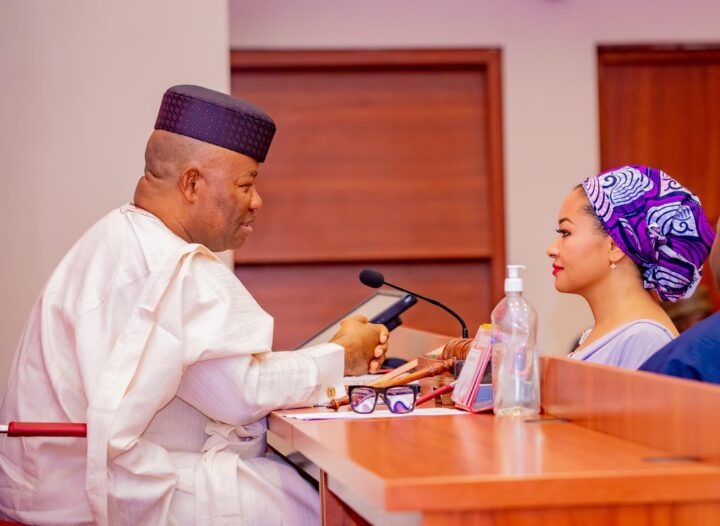

We are watching a major legal battle unfold in Abuja, as Senator Godswill Akpabio takes the bold step of filing a ₦200 billion suit against a colleague over sexual harassment allegations. From the start, it’s clear this isn’t just a matter of money; it is about reputation, power, and accountability in the Senate.
A Legal Storm Hits the Senate
The suit, filed at the Federal Capital Territory High Court, comes after months of tension. The senator facing the allegations has been vocal about her experiences, and now the law has offered a formal arena for both sides to present their case. By serving her through the clerk of the National Assembly, the court ensures the matter proceeds despite procedural hurdles that had previously blocked her from a full hearing.
This lawsuit will test the Senate’s internal systems, especially the Ethics and Privileges Committee, which she previously accused of failing to give her a fair hearing. Now, the courtroom will decide if these allegations hold legal weight or if they fall short of evidence. Either way, the case sets a precedent for how harassment claims are handled among Nigeria’s highest lawmakers.
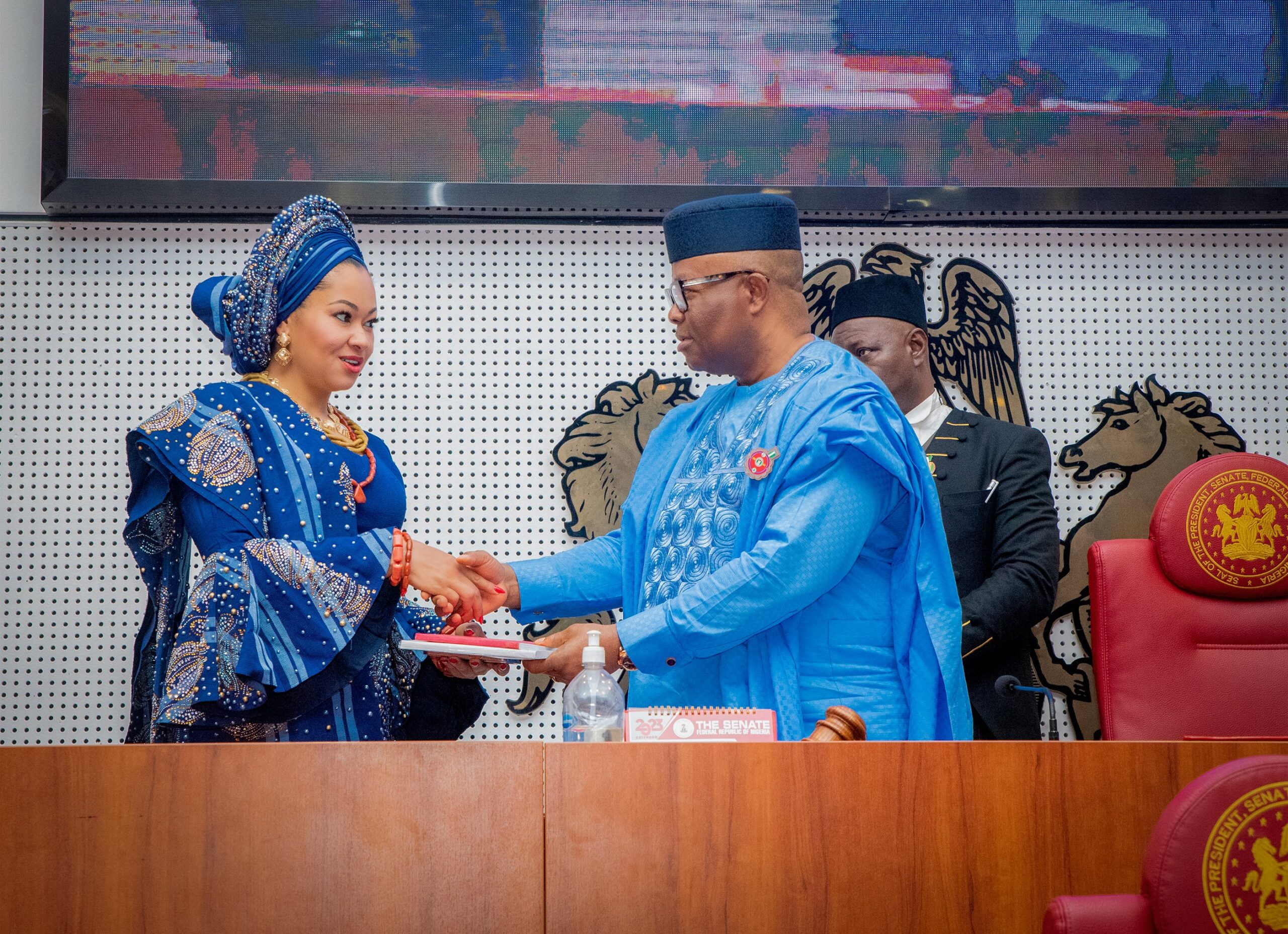
Power, Allegations, and Consequences
Rejecting unwelcome sexual advances in politics is never easy, and it is even harder when those involved are powerful figures. The senator’s refusal, according to her statement, triggered a series of attacks on her career and personal life. This legal battle is now the first chance for her to formally document these claims and hold the other party accountable under Nigerian law.
On the other side, Akpabio’s move to sue for ₦200 billion signals that he is prepared to defend his reputation aggressively. Such a large figure is not just about financial compensation; it is a statement about how seriously he takes these allegations and how far he is willing to go to protect his standing in the public eye.
The implications of this case go beyond the two senators. How it unfolds could influence how harassment claims are treated in the political sphere nationwide. It may embolden others to come forward, knowing that the law can provide a platform where power does not automatically outweigh justice.
We see this as a moment that could reshape expectations for lawmakers and set a clear precedent: misconduct must face consequences, and silence or fear cannot continue to shield powerful figures. The senator now has her chance, and the country has its first real look at how harassment claims in the political elite can finally meet the law.