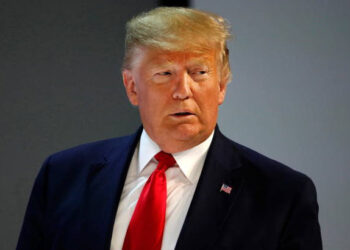
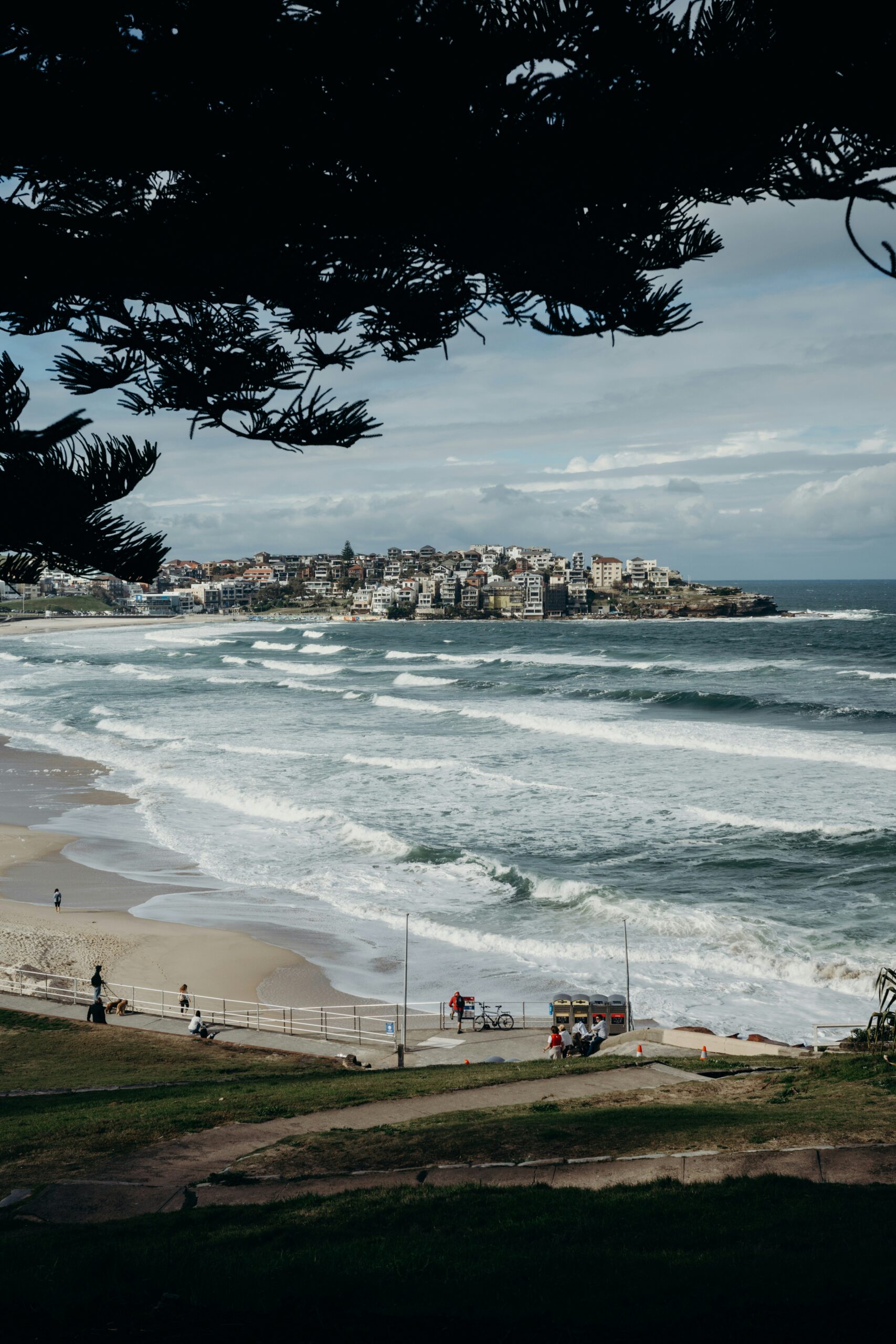
In a seismic response to the nation’s worst terror attack in decades, Australian Prime Minister Anthony Albanese has unveiled a sweeping crackdown on hate speech, introducing new laws that will fundamentally redraw the line between free expression and criminal incitement in the wake of the Bondi Beach massacre.
Announcing the measures in Canberra, Albanese declared new laws will target “those who spread hate, division and radicalisation,” framing the legislative blitz as a direct answer to the ISIS-inspired gunmen who killed 15 people at a Jewish Hanukkah celebration. The policy suite represents the most significant expansion of federal powers to police speech in a generation, with profound implications for universities, religious leaders, and online discourse.
The New Arsenal: From Visa Cancellations to ‘Aggravated Hate Speech’
The government’s plan is a multi-pronged assault on the ecosystem of radicalisation. Its key weapons include: Creating an “aggravated hate speech” crime, with “hate” formally introduced as an aggravating factor in sentencing for online threats and harassment; Granting the Home Affairs Minister new powers to cancel or refuse visas for individuals who spread hate, a move aimed at deporting radical foreign preachers; Establishing a new taskforce to police the education system and withhold funding from universities and arts organisations deemed to have failed in combating antisemitism—a measure critics warn could silence pro-Palestinian activism and Introducing penalties for religious preachers and community leaders who promote violence.
“Every Jewish Australian has the right to feel safe, valued and respected,” Albanese stated, acknowledging accusations that his government had not done enough to combat rising antisemitism since the October 7 Hamas attacks. “I accept my responsibility for the part in that as Prime Minister of Australia.”
Meanwhile, Home Affairs Minister Tony Burke explicitly framed the laws as a historic recalibration of Australian liberty. “We are shifting the threshold,” he said. He explained that extremists have exploited the nation’s traditional principles of free speech, using “language that is clearly dehumanising, unacceptable… but have not quite crossed the threshold to violence.” The new laws aim to lower that threshold, criminalising speech that stops short of direct incitement but is deemed to create a climate of hate.
The government plans to “fully” adopt the controversial recommendations of a July report by antisemitism envoy Jillian Segal, which was initially criticised for its potential impact on free speech and academic freedom. Segal, standing beside Albanese, called this “a very important moment… for fighting antisemitism around the world.”
Why This Matters
The Bondi attack did more than claim 15 lives; it also shattered a longstanding Australian consensus on the limits of state power over speech. The Albanese government is making a calculated trade: sacrificing a degree of civil liberty in the name of social cohesion and security.
Critics will warn of a slippery slope where the government defines “hate” and punishes dissent. Supporters will argue it is a necessary defence of a multicultural society under attack from within. Either way, the rules of public discourse in Australia have been irrevocably changed. The nation that once prized a rugged, broad-minded version of free speech is now building a legal architecture to police its most dangerous corners.