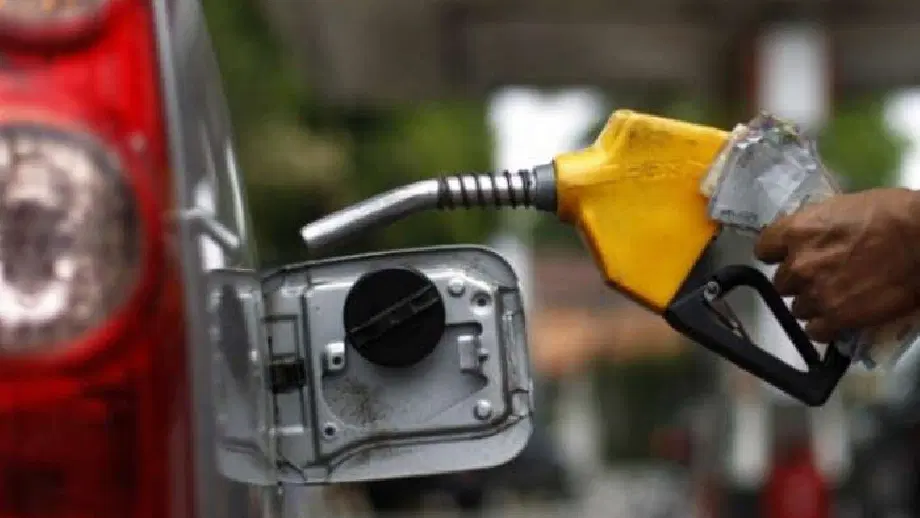

For many petrol station workers, danger is part of the job. What this situation shows is how pump attendants risking death because health cover keeps getting delayed by IPMAN has become normal in Nigeria. Every day, these workers inhale fuel fumes, face fire risks, and work long hours, yet most of them have no form of medical protection to fall back on when something goes wrong.
Why this matter came up now
The issue became louder after NNPCL introduced health insurance for staff working at its retail outlets. That move exposed a clear gap. Workers under independent marketers are left out, even though they do the same work and face the same risks. This gap is what has pushed labour voices to speak out.
What workers are saying
Petrol station workers are not asking for luxury. They are asking for basic care. Many of them earn small wages, and one sickness or accident can finish everything they have. Without health insurance, treatment is paid from pocket, and for most workers, that money simply does not exist.
The role of IPMAN
IPMAN represents independent petrol marketers across the country. That position comes with responsibility. When health cover is delayed or ignored, it sends a message that workers’ lives are not a priority. This is why the concern is growing and why pressure is mounting on the association to act.
Health insurance is not a favour
In a sector full of fire hazards, toxic fumes, and physical stress, medical cover should be standard. Treating healthcare as a favour instead of a right puts workers at risk and weakens the entire system. A sick or injured worker cannot be productive, and fear at work affects performance.
Leadership and organisation issues
The workers’ group speaking up admits it is not perfectly structured, but that does not cancel the message. The fact that workers had to organise themselves at all shows how deep the neglect is. Stronger leadership would help, but action from employers matters more right now.
Economic hardship makes it worse
Nigeria’s economy is tough. Hospital bills are rising, transport costs are high, and salaries are low. In this situation, denying workers health protection is dangerous. It pushes families into poverty and forces people to keep working even when they are sick.
What should happen next
IPMAN needs to stop dragging its feet. Providing health insurance will save lives, reduce fear, and create a more stable workforce. It will also show that independent marketers value the people who keep their businesses running every day.
Bottom Line
At the heart of this issue is an obvious truth: when workers’ health is ignored, lives are put on the line. The current reality, where petrol station staff face serious risks without medical backing, is not sustainable and should not be accepted as normal.