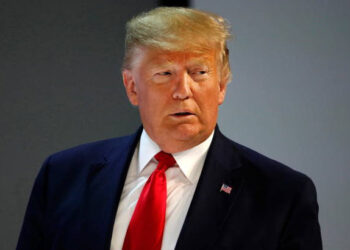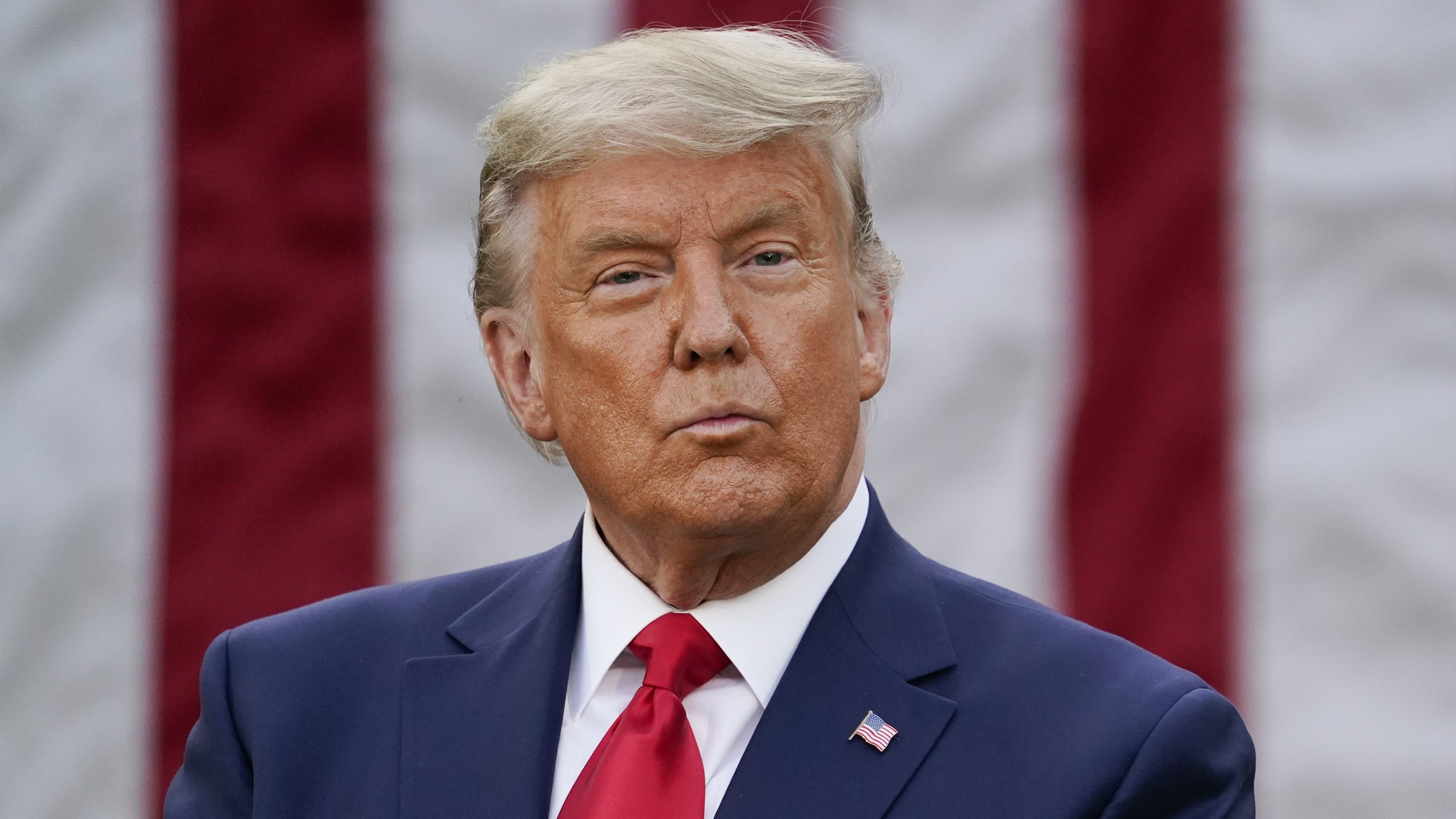

The first thing Nigerians and the rest of the world notice from this development is the clear message behind Trump’s instruction to the Justice Department to go after Democrats linked to the Epstein scandal. The action follows the release of fresh documents connected to Jeffrey Epstein, the late financier who died in jail in 2019 while facing charges of trafficking underage girls.
This is not happening in a vacuum. It comes at a time when trust in American institutions is already shaky, and when every action by the US president is read through a political lens.
What the DOJ Is Releasing
The Justice Department has begun going through millions of documents linked to the Epstein investigation. Some records were released last week, while more disclosures followed days later. The DOJ earlier explained that delays were caused by the need to protect victims by carefully removing identifying details.
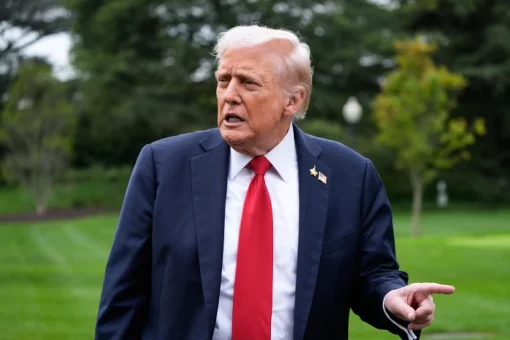
Among the documents are references to several powerful figures, including flight records and personal associations. Some of the files also contain mentions of Trump himself, including details of past interactions and travel linked to Epstein.
How Trump Is Framing It
Trump has publicly urged the DOJ to embarrass Democrats who may have worked with Epstein. His message is blunt: if any opposition figures were involved, they should be exposed fully. The tone is aggressive and confrontational, fitting into his long-running claim that institutions are often used against him while protecting his rivals.
The DOJ, however, has pushed back on claims targeting Trump, saying some allegations in the files are untrue and sensational. According to the department, these claims were submitted to the FBI before the 2020 election and were never proven.
Politics or Accountability?
This is where things get uncomfortable. If the goal is accountability, then everyone mentioned in the Epstein files, regardless of party, should face the same level of scrutiny. But when a sitting president openly calls for one political group to be exposed, it starts to look less like justice and more like a political weapon.
So the real question is: can the truth come out cleanly when politics is sitting in the front row?
Why This Matters Beyond America
Even from Nigeria, this issue matters. The United States often presents itself as a global model for democracy and rule of law. When its justice system appears politicised, it weakens its moral authority to lecture other countries about governance, transparency, and human rights.
This also affects how US pressure, sanctions, and foreign policy actions are perceived globally. If justice looks selective at home, credibility abroad suffers.
The Epstein Shadow
Jeffrey Epstein’s case remains one of the darkest stains on elite power circles. His death in custody, the scale of abuse, and the long list of wealthy and influential associates continue to fuel suspicion. Many people believe powerful interests have never been fully held accountable.
That frustration is real, and it explains why any move connected to the files draws intense reactions.
Final Thoughts
At the heart of this story is not just Epstein or party politics, but trust. When leaders turn sensitive criminal investigations into public political fights, they risk damaging the very system meant to deliver justice. Whether this latest push leads to truth or deeper division will depend on one thing: will the law be applied evenly, or only where it is politically convenient?