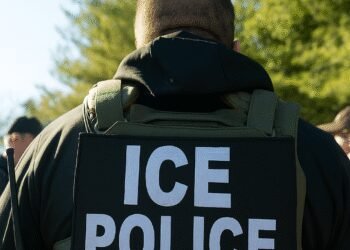
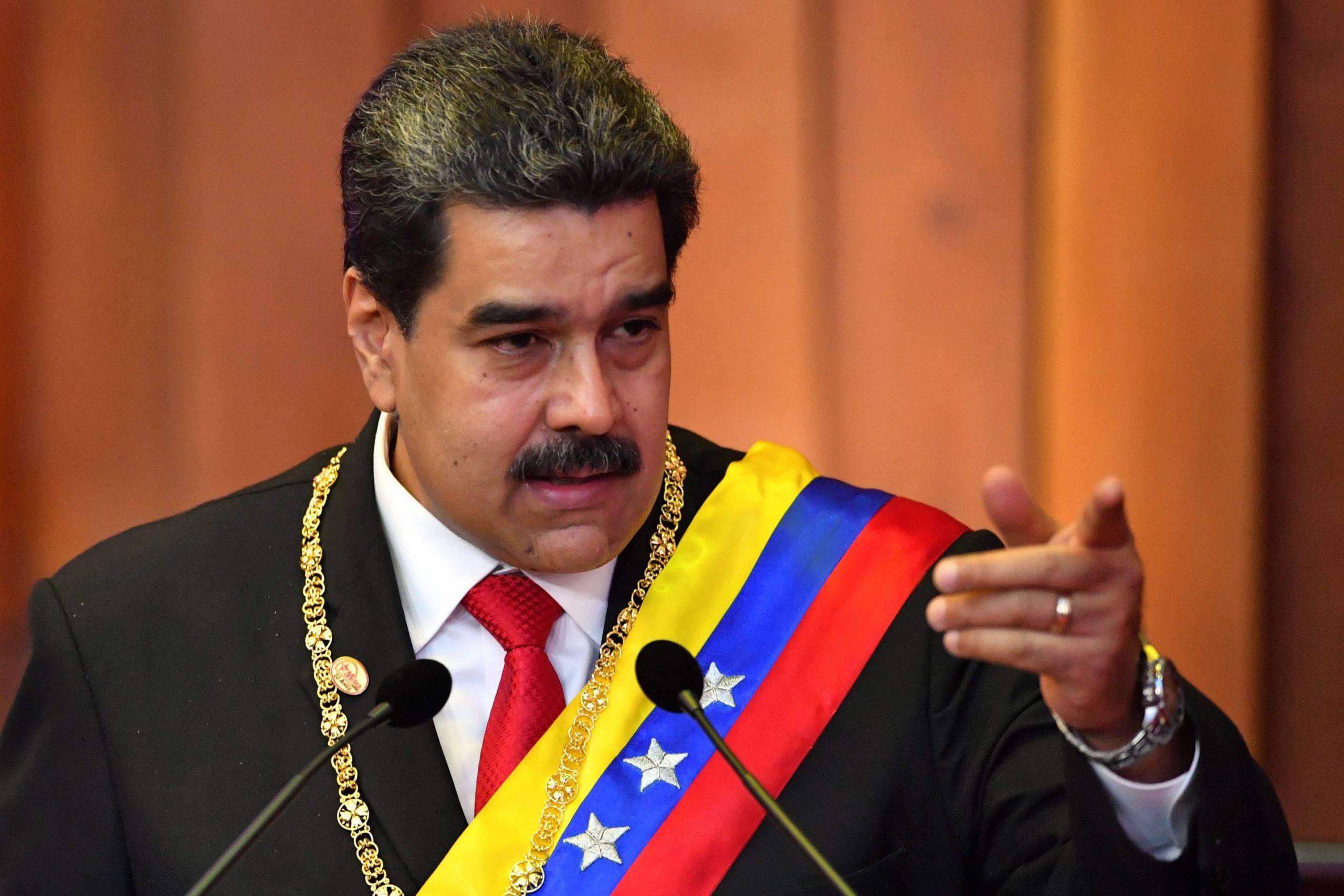
The United States has sent a blunt message to China through its dramatic military action in Venezuela. By capturing Venezuelan President Nicolas Maduro, Washington is not only reshaping power in Caracas, it is also drawing a red line for Beijing to stay away from the Americas.
A Raid With a Bigger Message
U.S. officials have made it clear that the raid in Caracas was not just about Maduro. It was also about China. For years, Beijing has built influence in Latin America through loans, oil deals, and infrastructure projects. Venezuela was one of its biggest bets.
By moving against Maduro, the U.S. sent a signal that it is no longer willing to tolerate China’s growing footprint in its backyard. The message was simple: the Americas are off-limits.
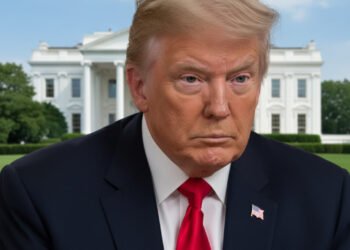
President Donald Trump did not hide this. Speaking to oil executives, he said the U.S. does not want China or Russia as “next-door neighbors.” He added that China could buy oil from the U.S. instead, but should not expect to control resources in the region.
China’s Long Bet on Venezuela
China invested heavily in Venezuela over two decades. It loaned billions of dollars, backed oil refineries, and accepted crude oil as repayment. When U.S. sanctions tightened, Beijing became one of Caracas’ main lifelines.
This strategy gave China cheap oil and political influence. It also helped Maduro survive longer than many expected. But the U.S. raid shattered that arrangement overnight.
American officials say millions of barrels of oil that once went to China will now be redirected to the United States. For Beijing, this is not just an economic loss; it is a public setback.
Military Reality Check
The speed of the operation shocked many observers. U.S. forces reportedly disabled Venezuelan air defenses with ease. Those systems were supplied by China and Russia. They failed to stop the raid.
China can sell weapons and make promises, but it cannot protect its partners when the U.S. decides to act.
One security expert said the raid showed the gap between China’s big talk and its real power in the Western Hemisphere. Countries that rely on Chinese defense equipment are now quietly asking hard questions about how reliable it really is.
Beijing Caught Off Guard
The timing made the embarrassment worse for China. Just hours before the raid, Maduro met publicly with China’s special envoy for Latin America. Cameras were rolling. Smiles were exchanged.
Then Maduro was gone.
U.S. officials say the public meeting suggests China had no idea what was coming. If Beijing knew, it would not have staged such a visible show of support. The moment made China look blind and powerless.
China later condemned the U.S. action as illegal and bullying. Its embassy in Washington said China would remain a friend to Latin America. But words could not hide the damage.
Trump’s Mixed China Strategy
The move against Venezuela fits into a wider, often confusing China policy under Trump. On one hand, he has sought trade deals and calm. On the other hand, he has taken strong positions on Taiwan, security, and now Latin America.
The Venezuela raid pushed the balance toward confrontation. It showed that when strategic lines are crossed, Washington is ready to act, even at the risk of global tension.
Some analysts believe this approach is dangerous. Others say it restores U.S. dominance in a region it once took for granted.
Wider Ripples in the Region
China’s troubles may not end with Venezuela. The U.S. is already pressuring Beijing’s influence near the Panama Canal. Washington has also raised concerns about Chinese activity in Cuba.
At the same time, Trump has suggested that Cuba may not even need military pressure, as its economic situation worsens without Venezuelan oil. The U.S. is reasserting control over its sphere of influence.
A Risky Path Ahead
While the raid weakened China’s position, experts warn of risks. Prolonged instability in Venezuela could drag the U.S. into deeper involvement. That could give China new chances to step back in quietly, through diplomacy or economic support.
Some believe that shifting to a strict “spheres of influence” mindset could backfire. If the U.S. insists the Americas are its zone, China may push harder for exclusive control in Asia.
The raid has redrawn lines on the map, and those lines are not drawn in ink. They are drawn in power.