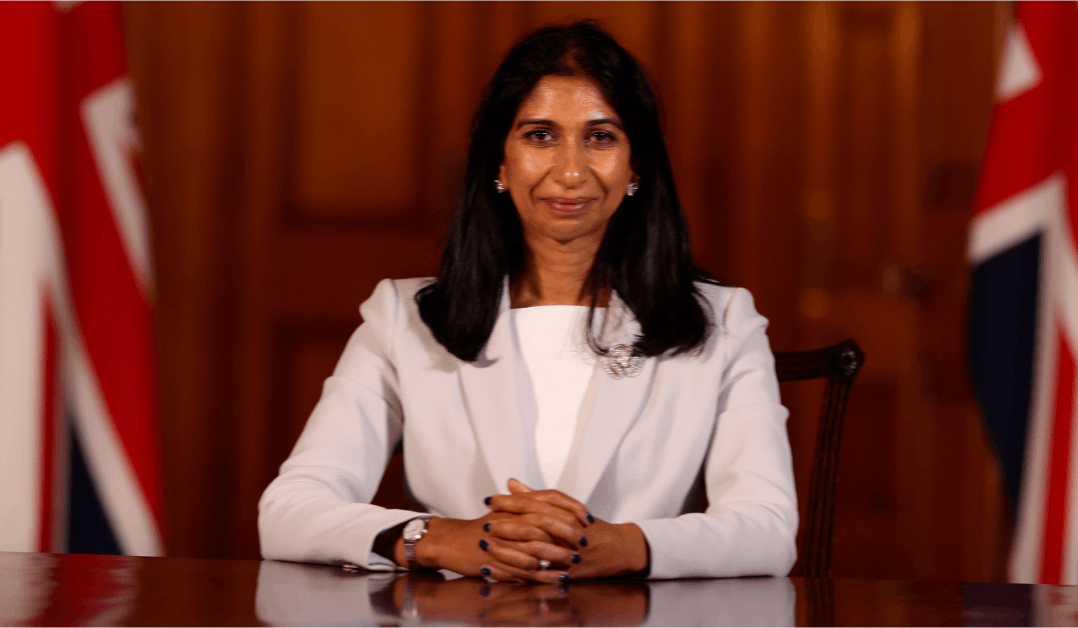
Suella Braverman’s decision to leave the Conservative Party for Nigel Farage’s Reform UK is more than another political defection. It is a loud signal of how fractured Britain’s right wing has become, and how immigration has turned into the main fault line tearing it apart.
A Defection That Was Bound to Happen
Braverman was never a comfortable fit in the modern Conservative Party. Even when she served as Home Secretary, her tone on immigration and law and order often put her at odds with party leadership.
By saying the Conservatives lied to voters on immigration, she touched a nerve many right-leaning voters already feel. For years, promises were made. Borders would be tightened. Deportations would increase. Legal barriers would be removed. Yet little seemed to change.
Reform UK Is Feeding on Conservative Weakness
Reform UK is still small in parliament, but its influence is much larger than its numbers. Opinion polls now place it ahead of both Labour and the Conservatives, a shocking shift in a system long dominated by two parties.
Braverman joining Reform just days after Robert Jenrick did the same shows a clear pattern. Senior Conservatives are no longer just flirting with Reform’s ideas. They are walking straight into the party.
This is dangerous territory for the Conservatives. Every defection strengthens the idea that Reform is no longer a protest party, but a serious alternative.
Immigration and the ECHR at the Centre
At the heart of Braverman’s anger is immigration and Britain’s membership of the European Convention on Human Rights. She believes leaving it is the only way to regain control of borders.
Reform UK agrees. The Conservatives now say similar things, but Braverman argues it is too late. In her view, voters no longer trust them to act.
Labour, on the other hand, wants to stay in the ECHR and adjust how it is applied. That leaves Reform occupying the hardest line, a position that appeals strongly to frustrated voters.
Personal Ambition or Political Belief?
The Conservatives say Braverman’s move is about ambition, not principle. They accuse her of chasing relevance in a party led by Nigel Farage, someone who once said he did not want her.
There is truth on both sides. Braverman clearly still wants a big political platform. But it is also clear she no longer believes the Conservatives can deliver what she stands for.
What This Means for British Politics
Braverman dumps Conservatives for Farage’s Reform UK at a time when trust in traditional parties is already thin. It deepens the sense that the Conservative Party is losing its identity, squeezed between Labour in government and Reform on the right.
For voters, this adds confusion but also clarity. The right is splitting into two camps: one trying to govern carefully, the other promising radical change.