
Germany is quietly exploring ways to strengthen its military position in Europe, and nuclear weapons are back in the conversation. Chancellor Friedrich Merz said on Thursday that talks are underway with European allies about a shared nuclear umbrella, even though Germany is officially banned from developing its own nuclear arsenal. While the discussions are at an early stage, the fact that they are happening signals growing unease in Berlin over security and reliance on the United States.
Early talks and Mo Decisions Yet
Merz stressed that the talks are just beginning. “We know that we have to reach a number of strategic and military policy decisions, but at the moment, the time is not ripe,” he said. The chancellor was clear that Germany has not moved toward building its own nuclear weapons, and no formal plans are in place. Still, opening the discussion shows how seriously Germany is thinking about its security options.
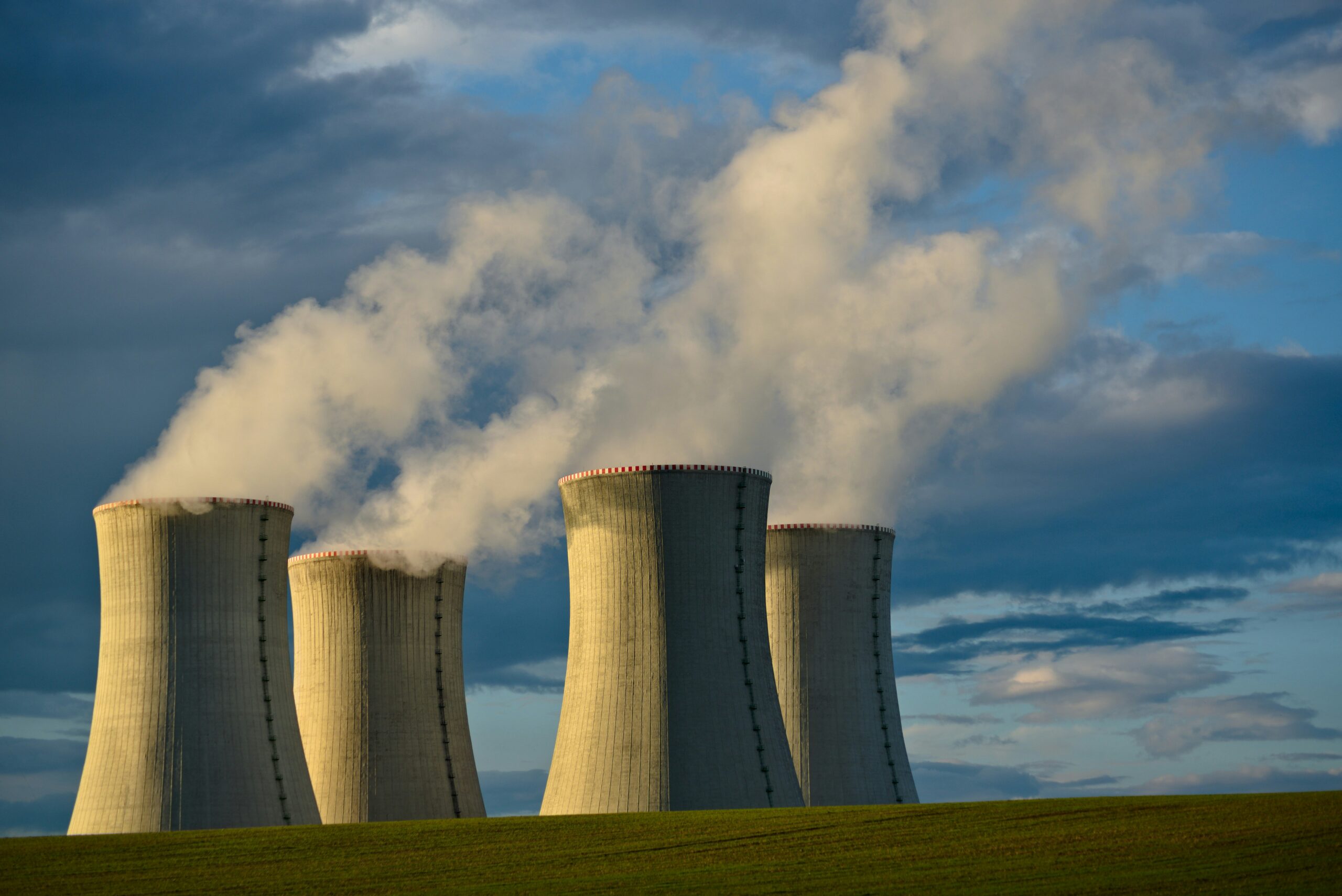
Germany is bound by two major agreements. The first is the Four Plus Two Treaty, which guided reunification in 1990 and bars nuclear weapons development. The second is the Nuclear Non-Proliferation Treaty, which Germany signed in 1969. Yet Merz argued that treaty obligations do not prevent the country from exploring joint solutions with allies, specifically Britain and France, which both have nuclear weapons.
Shared Responsibility with Europe
Merz described the talks as “not in conflict with nuclear-sharing with the United States of America.” European nations have long relied on U.S. nuclear protection, but frustration with Washington’s unpredictable policies under Donald Trump has pushed Berlin to consider alternatives. Trump’s previous threats to impose tariffs on European allies and suggestions that the U.S. might not defend countries that don’t spend enough on defense have left European leaders rethinking their dependence.
The German government has increased military spending in recent years, partly to respond to these pressures, and the nuclear talks are an extension of that broader strategy. The idea is not to build weapons in secret but to explore Europe-wide solutions that could complement U.S. defense arrangements while maintaining treaty compliance.
Technical Capacity Exists
Thomas Roewekamp, head of the parliamentary defense committee, underscored Germany’s technical abilities. “We do not have missiles or warheads, but we do have a significant technological advantage that we could contribute to a joint European initiative,” Roewekamp said. His remarks hint that Berlin could play a major role in a European nuclear force if political and strategic conditions ever demanded it.
Many may argue that even discussing nuclear capabilities risks tensions and could appear as Germany sidestepping treaty obligations. Supporters, however, will frame it as a pragmatic step to strengthen Europe’s defense amid a shifting global order.
Security Worries Driving Change
Merz’s openness about the talks reflects a larger pattern: Europe is taking its security into its own hands. With NATO and U.S. commitments under scrutiny, Germany and other nations are reassessing what guarantees are realistic. The shared nuclear umbrella is not a plan for immediate armament but a signal that Berlin wants a stronger voice in defense discussions and a backup strategy should reliance on others falter.
For Germany, flirting with nuclear options is less about confrontation and more about security confidence. Whether the talks lead to concrete initiatives or remain speculative, they mark a turning point in German defense policy, one that could reshape European military planning for years to come.