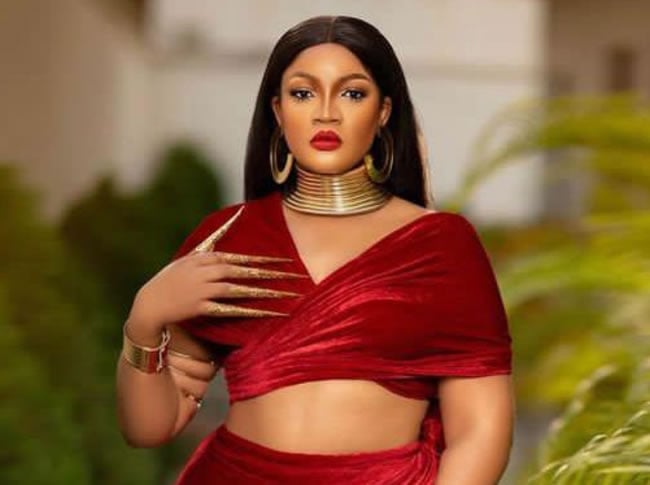

Honestly, I’ve been watching the Nigerian film industry for years, and I can’t help but feel frustrated when I think about Omotola Jalade. She left Nigeria for the U.S., chasing Hollywood dreams. We were all excited to see her share the screen with Viola Davis or maybe be besties on camera with Taraji P. Henson. But that never happened. Instead, she ended up talking down on Nollywood, bragging about small roles in American projects, claiming they were “paying dividends” while Nollywood supposedly didn’t.
What really gets me is that Omotola is a legend in Nollywood. If anyone should have worked on creating structures, policies, or standards to ensure fair pay and professionalism in our industry, it should have been her. Instead, she focused on opportunities abroad, leaving Nollywood to evolve without her leadership.
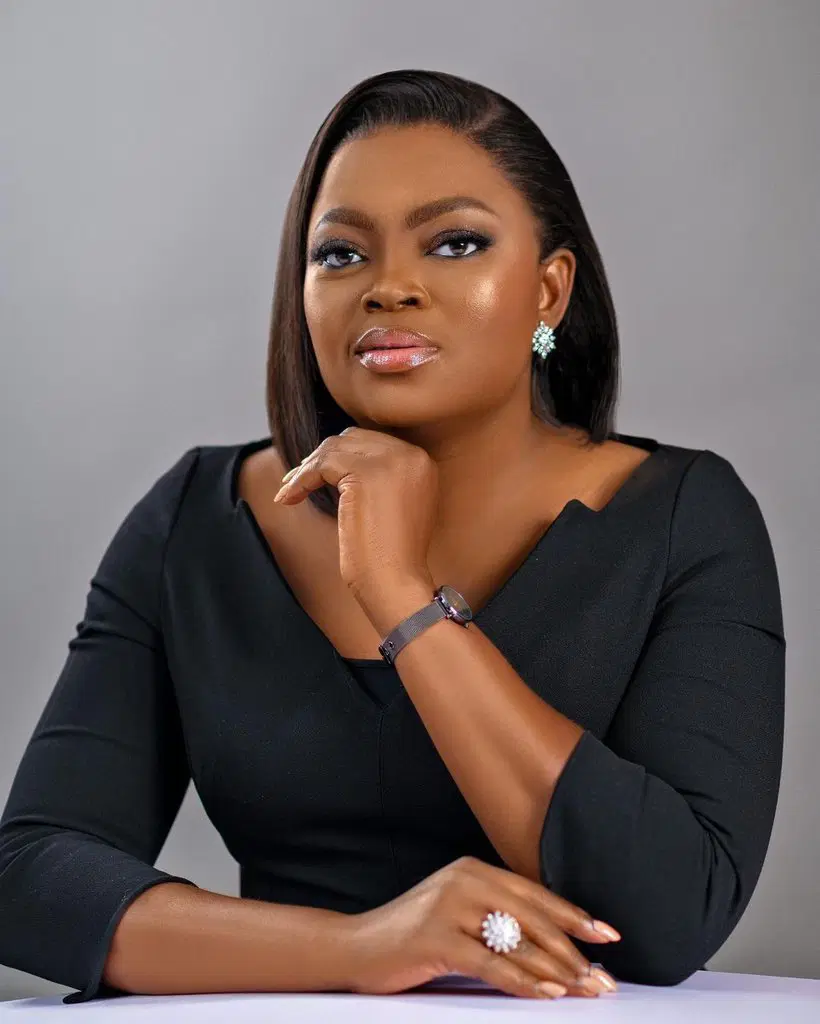
Meanwhile, Funke Akindele—who, let’s be honest, wasn’t in the same league as Omotola when it comes to early fame—has been quietly but consistently building a career that is impossible to ignore. For over 15 years, she’s been perfecting her craft, creating her niche, and delivering hits that break records. She’s built cinema milestones that even veterans envy, yet instead of learning from her, some people choose to dismiss her methods.
I can’t stand the excuses I’ve heard. “I cannot dance to sell a movie,” they say. Look, I get it—you shouldn’t be forced to do something you’re uncomfortable with. But here’s the reality: every successful actor or filmmaker today is finding creative ways to reach audiences. I follow the cast of Netflix’s Beauty in the Black, and they are constantly making content, appearing on talk shows, and yes, even dancing or moving their bodies on Instagram to promote their series. Hollywood does it too! So it’s not about dignity—it’s about willingness to adapt.
What bothers me is that the bitterness toward Funke comes from jealousy. Some people feel she doesn’t deserve her success. I’m convinced that if Omotola, Genevieve, or even Kunle Afolayan were achieving what Funke is achieving today, they would be widely celebrated. We all respected Kunle when he produced October 1st and other landmark films. Funke is doing the same now, but instead of applause, some critics nitpick her every move.
And let’s not pretend there isn’t an underlying bias here. Some of the negativity around Funke is rooted in her personal life—being a single woman, independent, and unapologetically herself. It’s almost like some people want to water down her accomplishments, reduce her grind to “ordinary,” or even shame her for not fitting their idea of a “perfect entertainer.” That’s nonsense.
Meanwhile, those same critics are busy promoting their own films that might not even make 50 million at the box office. Funke, on the other hand, consistently dominates, setting benchmarks that are redefining success in Nollywood. Until these veterans start recognizing and respecting the work she’s putting in, they’ll continue to struggle to reach even half of what she makes.
The lesson here is simple: instead of dismissing Funke or criticizing her methods, learn from her. Observe how she works, how she markets herself, and how she connects with audiences. She’s showing the way for the next generation, and refusing to acknowledge her achievements doesn’t make them disappear—it only exposes one’s inability to evolve with the industry.
At the end of the day, Nollywood is bigger than any one person. It’s about talent, hard work, innovation, and understanding your audience. Funke Akindele is a perfect example of that. And until legends like Omotola sit at her feet, learn from her, and respect her grind, they will remain behind while she continues to break records and set new standards for what Nigerian cinema can achieve.