
The Milano-Cortina 2026 Winter Olympics are officially underway, and while the world’s elite athletes gather in Italy’s breathtaking Dolomites, a different kind of competition has already concluded: the Opening Ceremony fashion parade. From the expected heritage plays to the truly unexpected sartorial triumphs, these Games have already offered a masterclass in what works—and what decidedly doesn’t—when nationalism meets global design.
I’ve spent the days since the February 6 Opening Ceremony dissecting every fur trim and technical fabric. The verdict I’ve surmised afterwards is that while some nations opted for safe, commercial plays, others understood that an Olympic uniform is more than just clothing, especially in 2026. It’s much more of a cultural statement.
The Hits Of The Opening Ceremony
A) Team Mongolia and Their Eternal Blue Statement
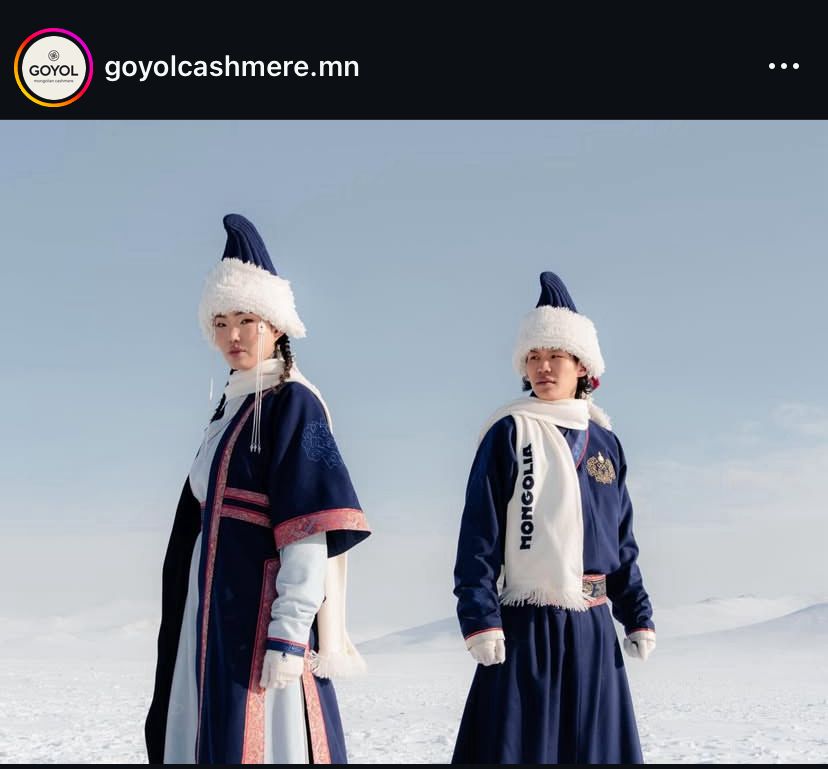
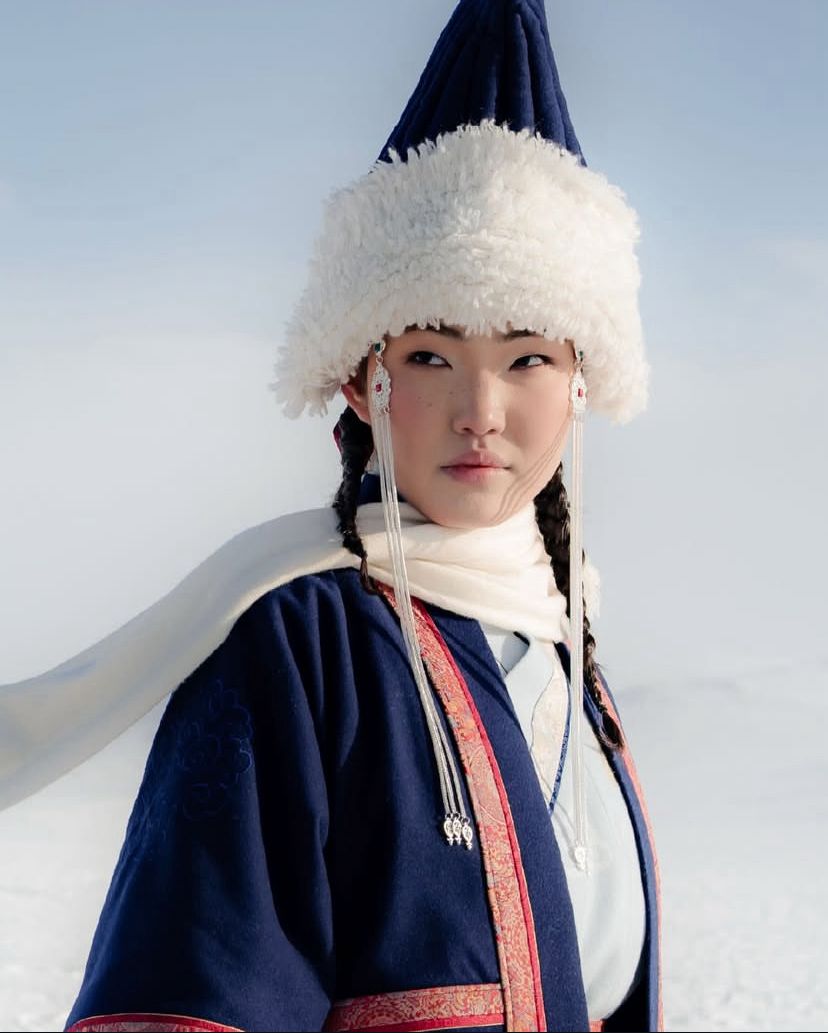
After their viral moment at Paris 2024, the pressure on Team Mongolia for Milano-Cortina was immense. And for the second consecutive Games, they have not only met expectations but have transcended them. Designed by Goyol Cashmere, their uniforms are less of an outfit and more of an immersive cultural narrative.
- The “Deel” Reimagined: Mongolia’s return to the traditional deel (the high-collared, belted robe dating back to the Mongol Empire) was a stroke of genius. It’s tailored with modern precision, transforming ancient protection into contemporary haute couture.
- Usage of Cashmere as a Flex: Among the commonalities of synthetic puffers seen, Goyol’s commitment to sustainable, locally sourced cashmere was the ultimate luxury play. Finished with silk trimmings and embroidered “horn” motifs (symbols of strength), the richness of the fabric was obvious, even through a screen.
- The Beauty in the Details: The choice of Eternal Blue Sky (Tengri) as the dominant color, accented by deep alpine knits, felt both majestic and incredibly chic. Their fur-trimmed headpieces—the modern General’s Hat—elevated the entire look, transforming athletes into regal figures.
B) Team Nigeria and Their Green-White Radiance
If there was a “Human Choice” award for the night, it belonged to Nigeria hands down. Carrying the flag for a nation of 200 million, Samuel Ikpefan proved that Nigerian excellence knows no climate. Their look was a vision of “Contemporary Traditionalism,” proving that the “Naija” spirit is as resilient as it is stylish.
- The Agbada Outfit: Designed in collaboration with Actively Black, the uniform was a marvelous reimagining of traditional West African silhouettes for an Arctic climate. They swapped the standard puffer for a structured, snow-white performance parka that mirrored the lines of a ceremonial Agbada.
- The Iro and Gele Influence: The subtle integration of the traditional gele-inspired head wrap, reimagined in a thermal silk-blend, was a stroke of genius. It brought a regal, structural height to the look that made the delegation stand out amongst the sea of generic beanies.
- The Narrative: The use of hand-dyed green accents against the winter-white base felt like art in motion. I especially loved the fact that this signalled a proud, unapologetic celebration of identity instead of it being just an apparel.
The Misses at The Opening Ceremony
On the other end of the spectrum were the nations that played it far too safe, or worse, opted for jarring commercial integrations.
- Team USA (Ralph Lauren): After their spectacular looks for Paris 2024, Ralph Lauren for Team USA delivered an unexpected letdown. The navy and white palette felt staid, and the oversized, heavily branded puffers bordered on looking like airport security vests. In a bid to be “approachable,” they lost the aspirational edge that a global event like the Olympics demands. It felt less like a national uniform and more like merchandise from a superstore.
- Team Canada (Lululemon): While Lululemon’s partnership with Team Canada always promises comfort, their Milano-Cortina collection veers into an almost generic activewear uniform. The stark red and white, while patriotic, lacked the textural depth or innovative silhouettes seen elsewhere. It was functional, yes, but forgettable. It proved that performance wear, when not infused with a distinctive design, can feel like a missed opportunity on a world stage.
The Unexpected Wins: Subtlety and Sparkle
Beyond the obvious, a few nations delivered quiet triumphs that hint at future trends.
- Team Norway (Helly Hansen): Opting for a sophisticated palette of deep forest greens and minimalist grays, Helly Hansen for Norway proved that technical wear can be incredibly chic. Their streamlined silhouettes and understated branding offered a lesson in Scandi cool—functional without being flashy.
- Team South Korea (The Subtle Glow): While not as overtly dramatic as Mongolia’s, South Korea’s uniforms embraced a minimalist approach with unexpected metallic accents. The subtle sheen on their jackets and the precision tailoring hinted at an emerging trend for luminous performance wear—think of it as quiet luxury for the slopes.
The Bottom Line
Believe it or not, the Milano-Cortina 2026 Opening Ceremony was a barometer for global fashion. While some countries clung to safe, commercial formulas, others—most notably Mongolia—understood that true impact comes from authenticity, cultural storytelling, and a refusal to be generic.
We now live in an era where every moment is dissected online. This means that the Olympic uniform is no longer just team apparel. It’s now a powerful cultural touchstone, a viral moment, and for the savvy fashion observer, a clear indication of where style is truly headed in the not-so-distant future.
With that said, the gold medal for the opening ceremony belongs unequivocally to Ulaanbaatar. Will they also keep up their brilliance in the actual competition? That remains to be seen.