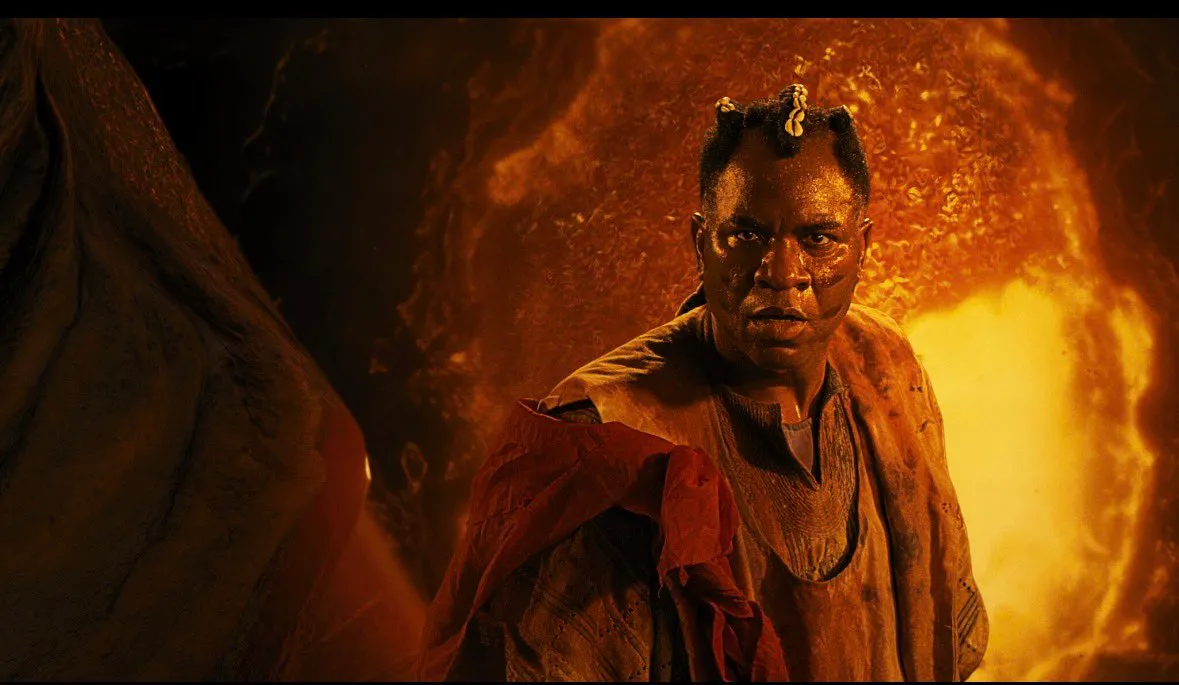

Kunle Afolayan’s Anikulapo franchise returns for a third time with Anikulapo: The Ghoul Awakens, a five-part Netflix mini-series that premiered on January 30. While the original 2022 film earned praise for its cultural depth and cinematic ambition, and the sequel attempted to expand its universe, this third instalment raises an unavoidable question: is this story still necessary?
Before its release, expectations were modest. The sequel left behind several unresolved plotlines and unanswered questions, which dampened anticipation for another continuation. However, the introduction of new cast members, particularly Ibrahim Chatta, stirred curiosity and offered hope that the narrative might regain momentum. Unfortunately, after five episodes and several hours of viewing, the series struggles to justify its prolonged existence, delivering more confusion than clarity.
Story Overview
This instalment centres on the restless spirit of Bashorun Ogunjimi, who refuses to accept his fate in the afterlife. Instead, he returns to the mortal world as a ghoul — a terrifying entity that feeds on human flesh and souls to survive. His resurrection unleashes a chain of dark and mysterious events that ripple across the kingdom, dragging both familiar and new characters into a web of danger, betrayal, and spiritual conflict.
While this premise promises suspense and emotional depth, the execution falls short. Rather than fully committing to Ogunjimi’s haunting presence and its consequences, the narrative splinters into multiple directions, diluting its impact.
Visual Strength and Production Quality
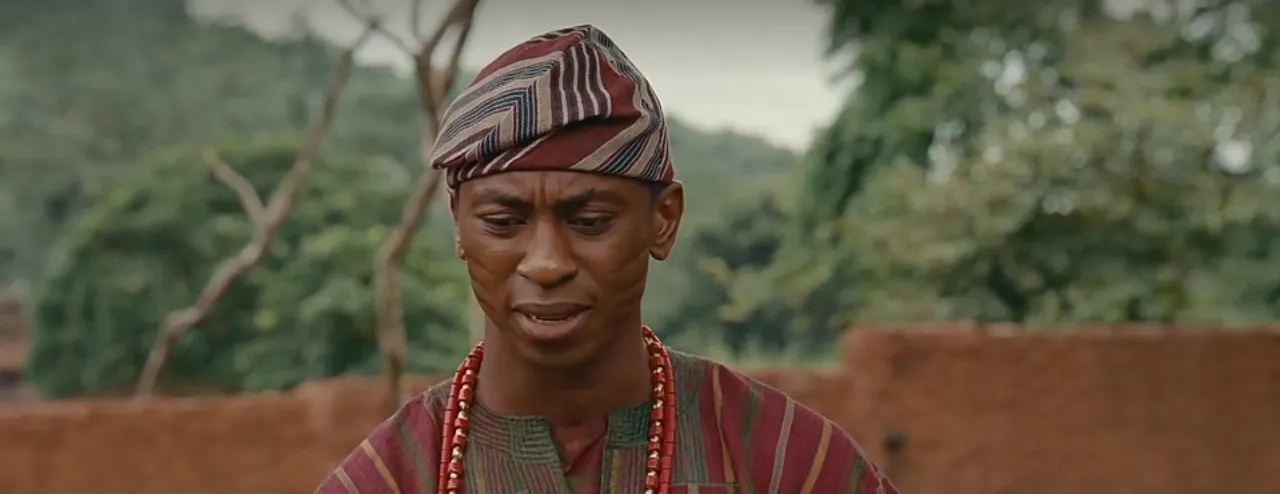
One of the strongest elements of The Ghoul Awakens lies in its impressive production design. The film’s environments are meticulously crafted, from palace interiors to modest living quarters, creating a vivid and immersive world. The mud-structured architecture feels authentic and thoughtfully detailed. Particularly striking is the king’s bed frame, sculpted in the form of an elephant’s head — a bold artistic choice that adds symbolic weight and visual intrigue.
The cinematography complements the setting beautifully, offering crisp visuals and fluid camera movements that enhance storytelling. Each frame feels deliberate, drawing viewers deeper into the ancient world the film seeks to recreate. Costuming is another highlight. Traditional outfits are richly designed, while the Portuguese characters are styled with care, maintaining historical and cultural distinctions. Although most of the makeup is convincing, some tribal markings appear artificial, and certain hairstyling choices — especially Asiru’s beard and hair — slightly weaken the realism. The CGI effects, though decent in moments, remain inconsistent throughout the series.
Performances and Character Portrayals
The acting remains a consistent strength, maintaining the franchise’s standard of solid performances. Owobo Ogunde stands out in his portrayal of the ghoul, delivering a chilling and controlled performance that strikes a careful balance between menace and mystique. He convincingly embodies the tortured spirit of Ogunjimi, giving the supernatural elements emotional grounding.
Bimbo Ademoye delivers a compelling transformation, seamlessly shifting from regal composure to vulnerability as her character’s status and circumstances change. Her performance captures emotional resilience and inner conflict, making her arc one of the most engaging in the series.
Veteran actors Gabriel Afolayan, Taiwo Hassan, and Ronke Oshodi Oke provide dependable performances that add weight and authenticity to the narrative. Among the newer faces, Kiekie and Saga bring commendable energy, although Saga’s delivery in Yoruba occasionally feels strained. Nevertheless, his screen presence and commitment to the role allow him to hold his ground among more seasoned actors.
Narrative Challenges and Structural Weaknesses
Despite its technical strengths, the series falters badly in storytelling. The pacing is slow and often exhausting, with scenes stretched far beyond their narrative value. Rather than resolving lingering subplots from the sequel, the series introduces numerous new storylines that only further complicate the plot.
Several arcs compete for attention: romantic entanglements, political scheming, business ambitions, illness narratives, spiritual quests, and the re-emergence of slavery themes. Unfortunately, none of these threads is explored deeply enough to feel satisfying. Instead of enriching the story, they fragment it, leaving viewers struggling to stay emotionally invested.
The title suggests that Ogunjimi’s resurrection should form the core of the series, yet his storyline frequently fades into the background as side plots take centre stage. This lack of focus weakens the emotional and narrative payoff. Characters like Aderoju are introduced without sufficient backstory or development, making their presence feel forced and driven more by plot convenience than storytelling necessity.
Another major issue is the lack of narrative resolution. After more than five hours of content, the series concludes without offering meaningful closure. Conflicts are abruptly halted, questions remain unanswered, and story arcs are suspended in a way that feels less like anticipation-building and more like narrative neglect. Rather than leaving viewers eager for another chapter, the ending generates frustration.
Continuity errors also undermine the story’s credibility. Events established in the sequel are altered without clear justification. Timelines regarding Omowunmi’s abduction and Arolake’s escape are contradictory, disrupting narrative consistency and making the plot feel carelessly assembled.

Overall Assessment
Anikulapo: The Ghoul Awakens is a visually impressive and competently acted series that struggles under the weight of its own ambition. While it succeeds in world-building and atmosphere, it fails to deliver a coherent, focused narrative that justifies its extended runtime. The result is a story rich in aesthetic appeal but lacking in emotional payoff and narrative discipline.
The series might have benefited from tighter scripting, fewer subplots, and a clearer narrative direction. As it stands, the project feels more like an unnecessary extension than a meaningful continuation of the franchise.
Final Rating: 5/10
Despite strong performances and admirable production quality, The Ghoul Awakens ultimately fails to recapture the magic of the original Anikulapo, leaving viewers questioning the purpose of its prolonged storytelling.