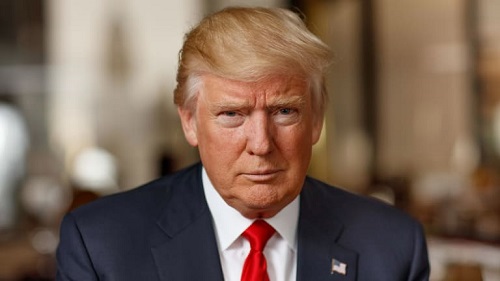

The stage is set for one of the most awkward State of the Union addresses in modern American history.
When President Donald Trump strides into the House chamber Tuesday night, he will face a familiar scene: lawmakers rising to applaud, cabinet members nodding approvingly, the First Lady watching from the gallery. But just a few feet in front of him, seated in the front row, will be the six Supreme Court justices who last week ruled against his sweeping global tariffs—justices he called “fools and lap dogs” and accused of being “swayed by foreign interests.”
The tension is palpable. The stakes are high. And the speech, scheduled to begin at 9 p.m. EST, could set the tone for the November midterm elections that will determine control of Congress.
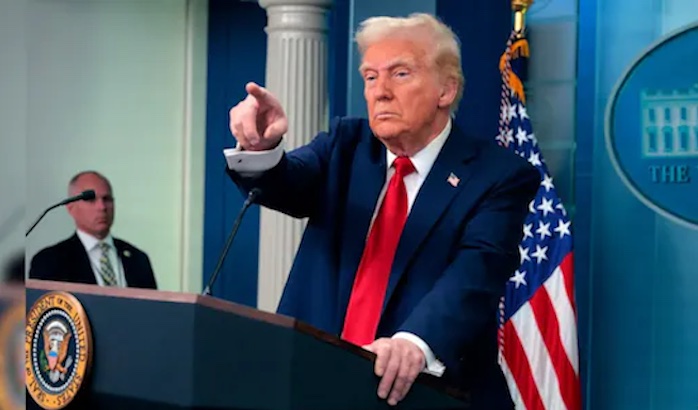
The Message
Trump will address a joint session of Congress in a speech that is expected to outline what he considers the accomplishments of his first year back in office and his policy priorities moving forward.
Though the White House has not released details, officials indicate the president will touch on:
· Immigration enforcement, where illegal crossings have dramatically fallen under his watch. But his tactics—including the fatal shootings of two U.S. citizens in Minneapolis—have raised oversight questions that Democrats are certain to amplify.
· Trade policy, following last week’s Supreme Court decision striking down his global tariffs. Trump responded with new 10% duties under a different legal authority, which take effect today.
· Iran, amid escalating tensions and ongoing ceasefire negotiations.
· Venezuela, after U.S. forces dramatically seized President Nicolás Maduro last month.
· Overseas ceasefire efforts, including ongoing discussions to end the war in Ukraine.
A year ago, Trump set the record for the longest address ever given to a joint session of Congress—one hour and 40 minutes, beating Bill Clinton’s previous record of one hour and 28 minutes. He may attempt to break his own record tonight.
The View From the Front Row
The seating chart has become a story of its own.
The six justices who ruled against Trump in Friday’s tariffs decision—Chief Justice John Roberts and Justices Elena Kagan, Sonia Sotomayor, Ketanji Brown Jackson, Neil Gorsuch, and Amy Coney Barrett—will be seated directly in front of the president. Trump publicly attacked all of them over the weekend, singling out his own appointees, Gorsuch and Barrett, as an “embarrassment to their families.”
How they react to his remarks—whether they applaud, sit stone-faced, or conspicuously avoid eye contact—will be scrutinized by every camera in the room.
The Absences
Not everyone is coming.
More than 20 Democratic lawmakers have said they will skip the speech, including Representative Alexandria Ocasio-Cortez. Instead, they plan to attend the “People’s State of the Union,” an event organized by progressive groups aiming to counterprogram what they call “a night full of lies and misplaced priorities for the American people.”
One customary absence will be the “designated survivor,” a cabinet member taken to an undisclosed location in case a catastrophe wipes out the gathered officials. The administration has not yet announced who will fill that role.
Trump invited the U.S. national women’s hockey team, which won gold at the Winter Olympics in Italy. They declined, citing “the timing and previously scheduled academic and professional commitments.”
The Guests
As always, the guests in the gallery tell their own stories.
House Speaker Mike Johnson invited the family of Marc Brock, a Louisiana police officer killed in the line of duty last year.
Democratic Senator Chuck Schumer brought Raiza Contreras, a New York City mother whose son, Dylan Lopez Contreras, was detained by federal immigration agents.
Democratic Representative Ro Khanna, who has been advocating for victims of Jeffrey Epstein, invited Haley Robson, a survivor of Epstein’s abuse.
The First Lady and other members of the Trump family will be in attendance, along with the full cabinet.
The Democratic Response
Democrats will deliver their official rebuttal following Trump’s address. The tradition, which began in 1966, typically features a rising star in the opposition party.
After Trump’s similar address last March, Democratic Senator Elissa Slotkin delivered the response. This year’s speaker has not been announced.
How to Watch
The State of the Union will be streamed live on the BBC’s website and television channel, with special coverage beginning at 8 p.m. EST. All major U.S. networks will also carry the address.
For Trump, the speech is an opportunity to reset a narrative that has veered off course. His approval ratings are slumping. His trade policy is in legal turmoil. His relationship with the judiciary is at a historic low. And the midterm elections—which will determine whether he governs with unified Republican control or faces a divided Congress—are nine months away.