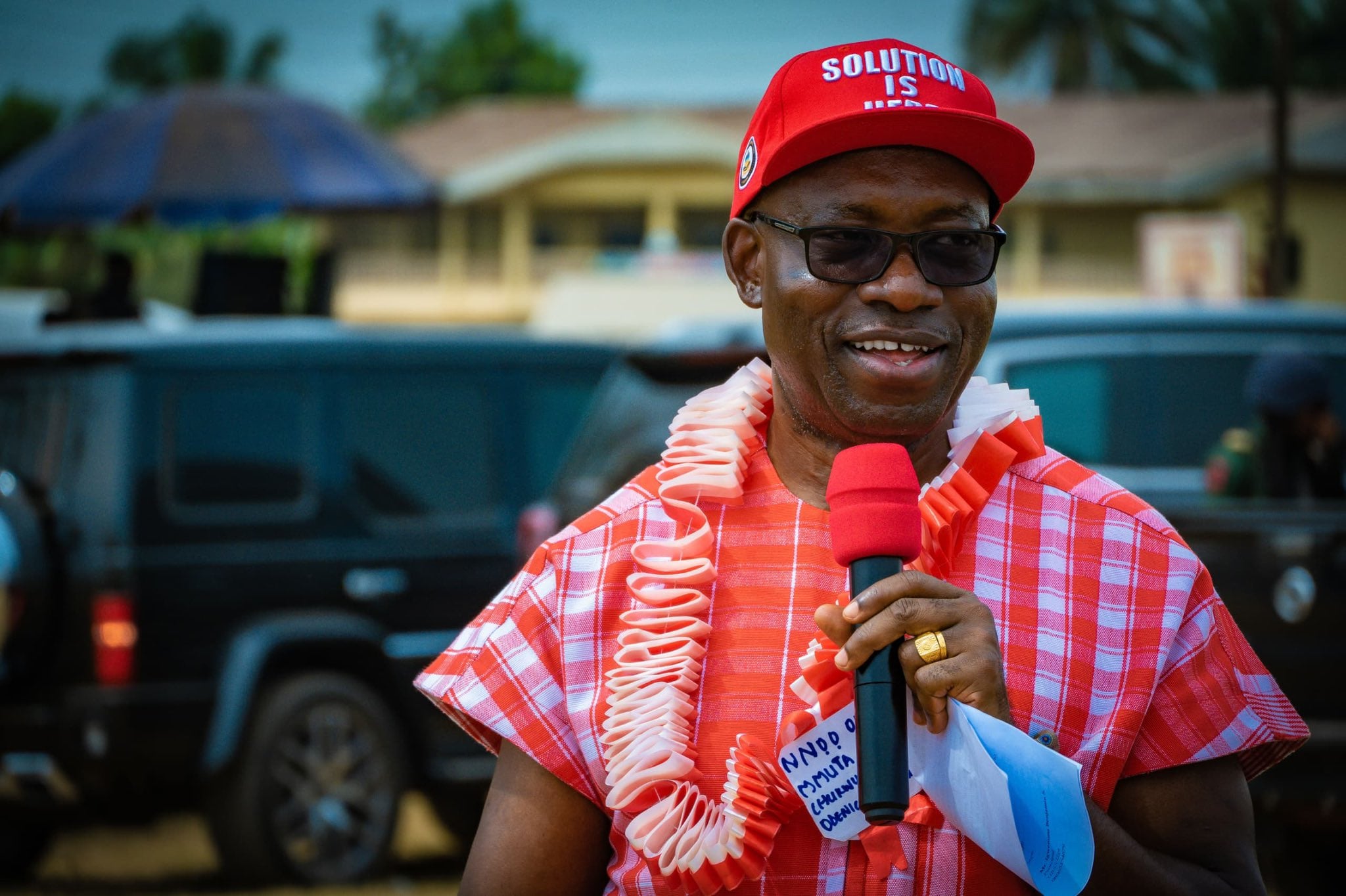

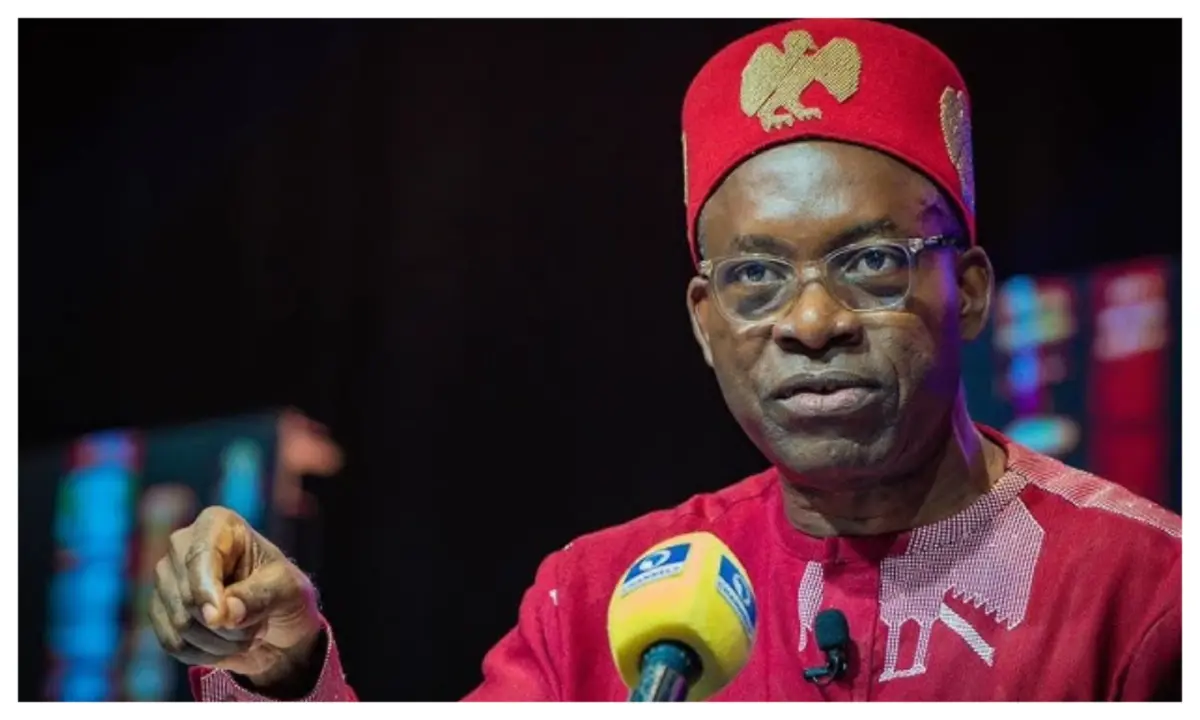
Anambra State Governor Chukwuma Soludo has confirmed that the All Progressives Grand Alliance will not field a presidential candidate in the 2027 elections, clearing the way for his party to potentially back President Bola Tinubu’s re-election bid.
Speaking during a media chat shortly after his inauguration for a second term, Soludo said APGA’s decision was driven by strategic calculation, not ideology.
“President Tinubu is my friend, and I believe he has done well and deserves a second term. I have no apologies about that—this is my position,” Soludo said. “Anybody can differ, but beyond personal preferences, the fundamental issue is the interest of my people.”
A Familiar Playbook
Soludo pointed to precedent: in 2011, APGA did not field a presidential candidate, instead adopting then-President Goodluck Jonathan.
“In Tinubu’s case, how do you communicate that to the South-East? Our people are smart. Once they understand that it is in their own enlightened self-interest, they will see the reasoning,” he said.
The governor framed the decision as a return to an older, more pragmatic tradition of Nigerian politics.
“We need to get back to the politics of Azikiwe, who taught us to build politics of alliances. It’s not politics of protest; it’s politics that builds bridges,” he said.
The Calculus
Soludo was blunt about the electoral math: Tinubu will win with or without APGA, he said. The question is whether the South-East will have “a stake on the table.”
“President Tinubu will win with or without us, but my people deserve a stake on the table,” he stated.
The statement marks a significant political realignment. APGA, which controls Anambra State and has a strong presence across the South-East, has historically positioned itself as the region’s primary political vehicle. By ruling out a presidential run, Soludo is signaling that the party’s best path to influence in 2027 runs through Tinubu—not against him.
The Broader Context
Soludo’s announcement comes amid ongoing negotiations over the South-East’s place in the Tinubu administration. The region has expressed frustration over what it sees as inadequate federal appointments and infrastructure investment.
By offering APGA’s electoral support, Soludo is positioning himself—and his party—as a key interlocutor between the South-East and the presidency. The move could also strengthen his hand in future negotiations over federal resources and appointments.
What’s Next
APGA’s decision not to field a presidential candidate leaves the party free to focus on expanding its footprint in state and National Assembly elections. Soludo has previously spoken about APGA’s ambition to govern more South-East states.
But the bigger question—who APGA will back for president—remains technically unanswered. Soludo’s personal endorsement of Tinubu is unambiguous. Whether the party formally follows his lead is a decision that will unfold in the months ahead.
For now, the governor of Anambra has made his position clear. In the politics of the South-East, where protest and pragmatism often collide, Soludo has chosen pragmatism. The question is whether his people will follow.