
Slovenia has become the first EU member state to introduce fuel rationing, limiting private drivers to 50 liters per day as global energy markets convulse following US-Israeli strikes on Iran and retaliatory attacks on Gulf producers.
The measures, announced over the weekend, are meant to tackle disruptions that have sent fuel prices soaring across Europe. But in Slovenia, the immediate problem isn’t a shortage—it’s its neighbors.
“Let me reassure you that there is enough fuel in Slovenia, the warehouses are full and there will be no fuel shortages,” Prime Minister Robert Golob said. The real issue, he explained, is “fuel tourism”—drivers from Austria and other countries crossing the border to take advantage of Slovenia’s regulated, lower prices.
The Price Gap
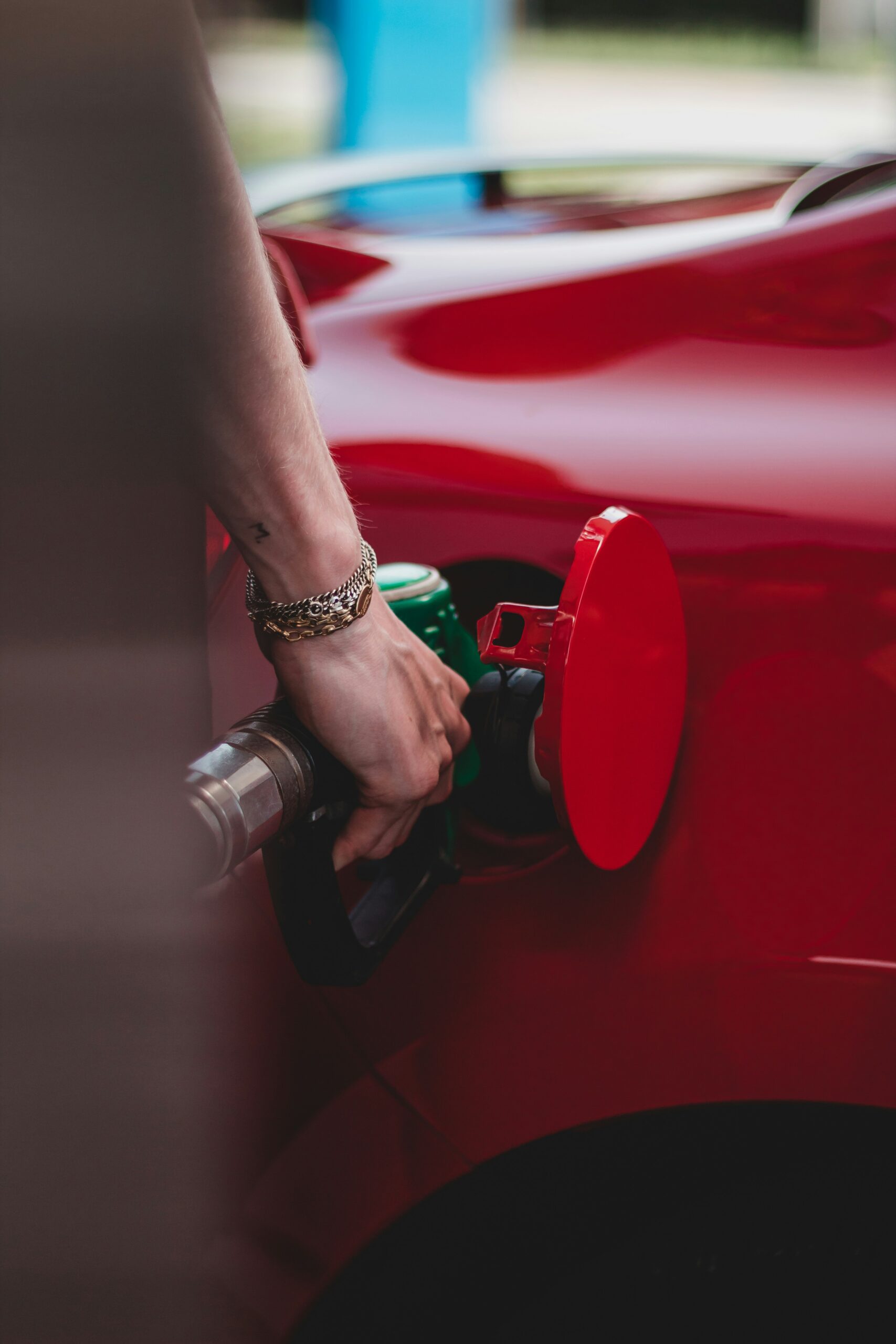
In Austria, a liter of Euro-super 95 petrol is pushing €1.80. Diesel is approaching €2.00. In Slovenia, prices are capped at €1.47 and €1.53 respectively—a gap wide enough to justify a cross-border trip.
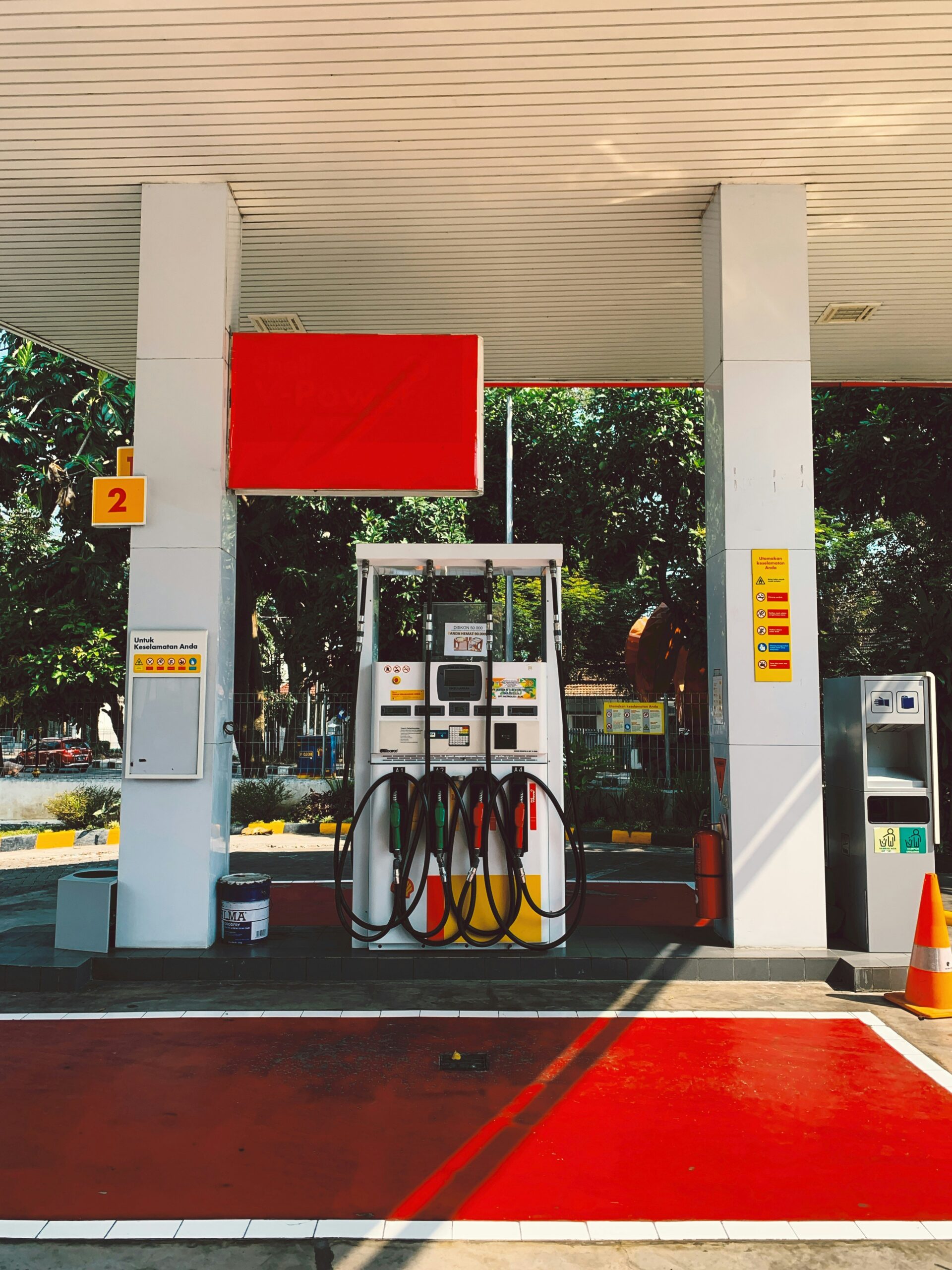
The difference has created a steady stream of foreign vehicles at Slovenian stations, causing queues, shortages, and frustration among locals. Some stations have run completely dry.
A lorry driver at Sentilj, near the northern border with Austria, told local media he wondered whether his country was “at war” as he arrived at a station with empty pumps. “I’ve never experienced anything like this before,” he said.
The New Rules
Under the new measures, private motorists in Slovenia are restricted to 50 liters of fuel per day. Businesses and farmers have a more generous allowance of 200 liters. Petrol stations are responsible for enforcing the limits and are being encouraged to impose stricter caps on foreign drivers.
The government’s move follows earlier self-imposed measures by some retailers. Hungary’s MOL, which operates stations across the region, had already introduced a 30-liter limit at its Slovenian pumps.
The Austrian Provocation
The far-right Austrian politician Herbert Kickl, leader of the Freedom Party, has been using his own refueling trips across the border as political ammunition. He posted a photo of a queue of Austrian-plate vehicles waiting to fill up at a Slovenian station.
“Isn’t this sad,” he wrote, “that we live in a country where it has become necessary for many to go abroad so that life is cheaper?”
The post, and the attention it generated, encapsulates the cross-border tensions created by price disparities. For some Slovenians, the influx of foreign drivers is a nuisance. For others, it’s an economic opportunity—many “fuel tourists” make a day of it, eating in local restaurants and spending money in shops.
Will Other Countries Follow?
Slovenia is the first EU nation to impose formal rationing, but it may not be the last. The energy crisis sparked by the US-Iran conflict has exposed the fragility of European fuel markets, where price disparities between neighboring countries can create immediate, disruptive cross-border flows.
For now, Golob’s government is betting that rationing will stabilize the situation. But as long as the price gaps persist, the “fuel tourists” will keep coming—and other EU countries watching Slovenia’s experiment may soon have to decide whether to follow suit.
What Comes Next
Slovenia’s regulated fuel prices are set to rise on Tuesday, which may narrow the gap with Austria and ease the pressure. But the underlying problem—a global energy market in turmoil and a continent deeply dependent on imported fuel—remains unresolved.
For Slovenian drivers, the 50-liter limit is a manageable inconvenience. For Austrian drivers, the trip across the border is still worth it—for now. And for the rest of Europe, Slovenia has become a test case: can rationing, at the national level, solve a crisis that is, by its nature, regional and global?