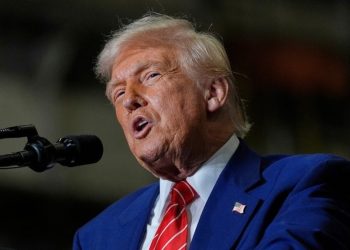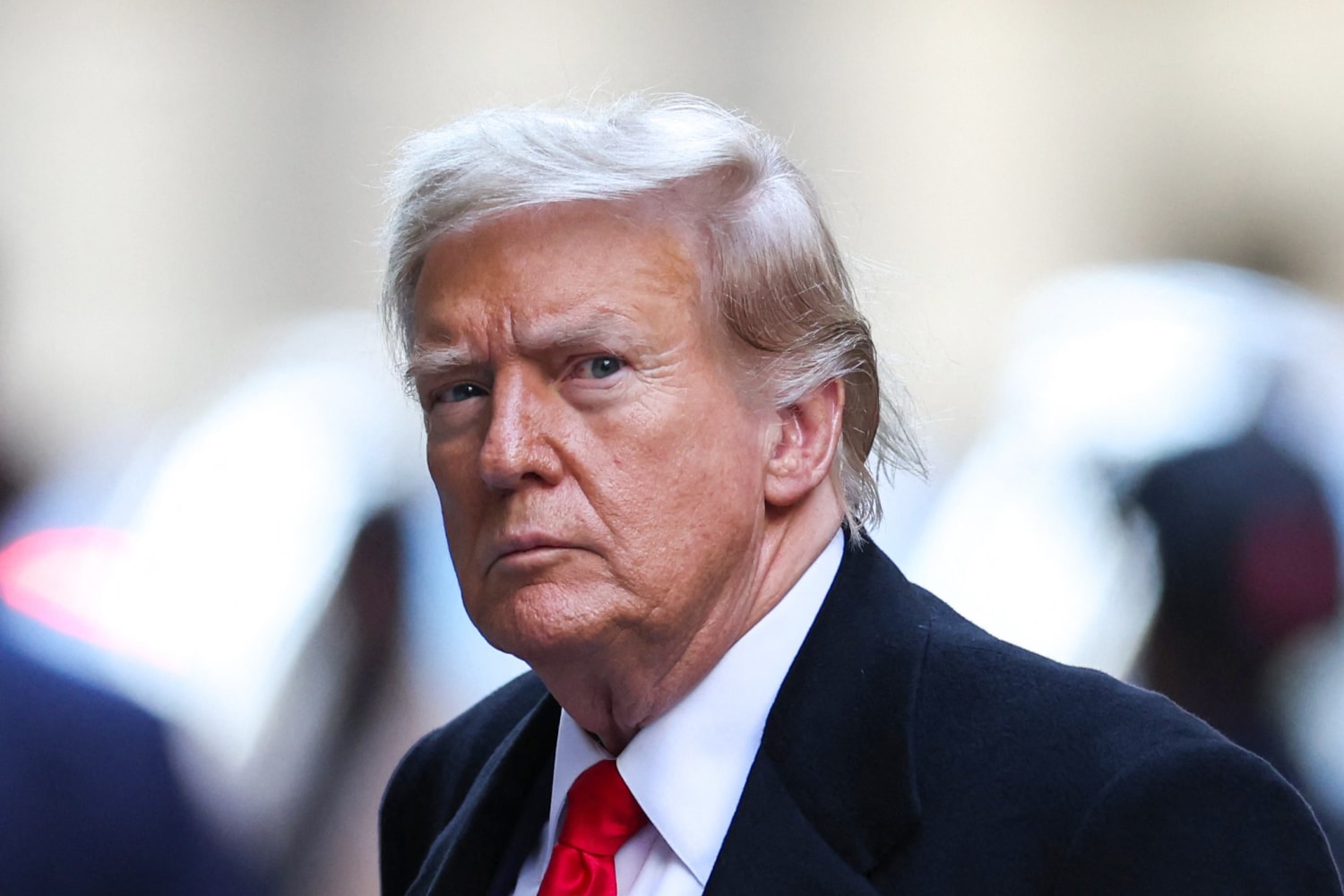

Thirty days after the initial strikes of February 28, the “Operation Epic Fury” campaign is struggling to find a diplomatic or military off-ramp, while the administration initially projected a four-to-six-week timeline, that window is closing rapidly. The central crisis remains that Trump has no real exit strategy for political opponents as gas prices reach historic highs and the Strait of Hormuz remains under a defiant Iranian “chokehold.”
A War of Choice with “Poor Options”
Analysts point out that the administration is currently trapped between two equally risky paths: a flawed peace deal that leaves Iran’s capabilities intact, or a massive military escalation that could require ground troops.
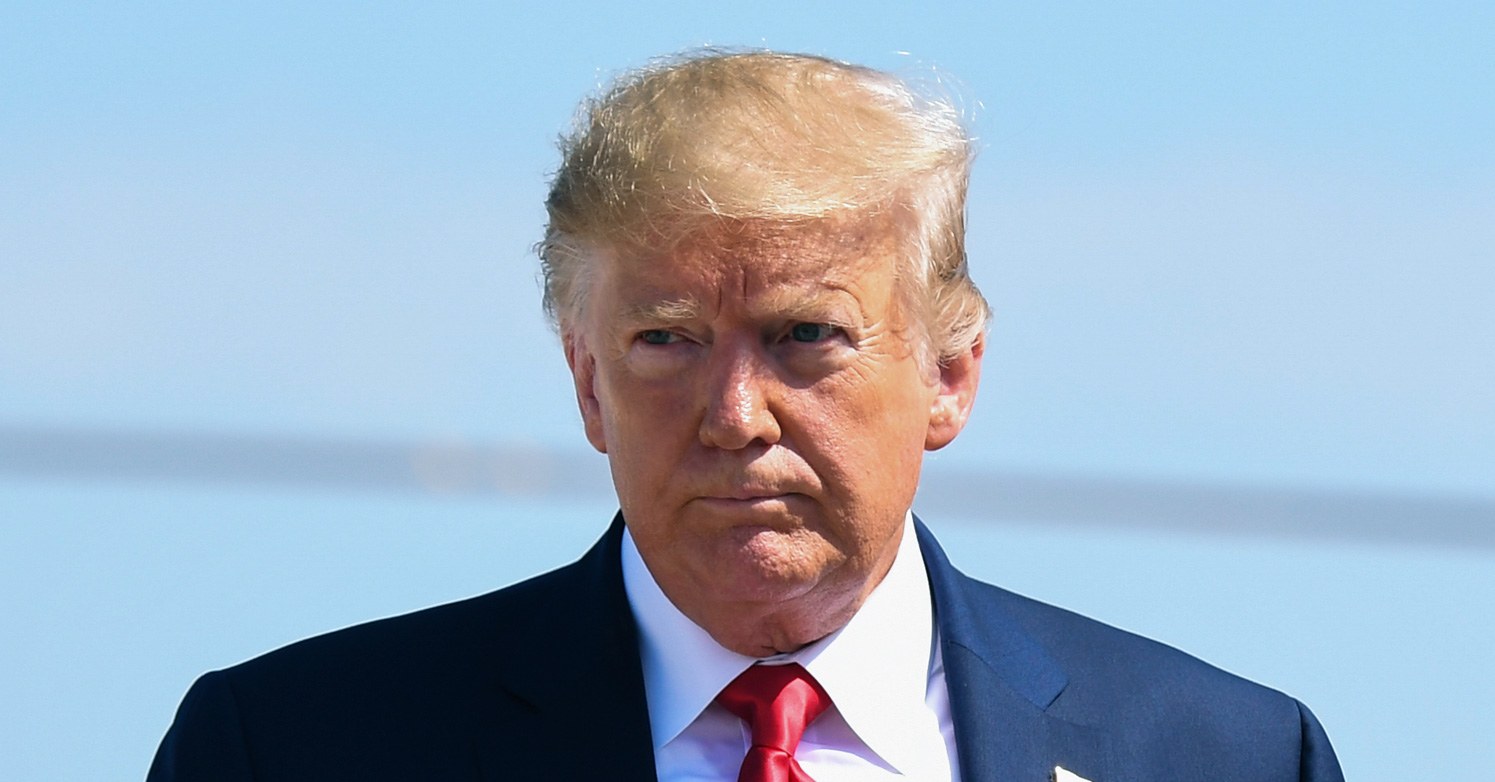
The biggest hurdle to explaining is the unexpected resilience of Tehran’s drone and missile response, which has successfully disrupted 20% of the world’s oil flow. Despite the President’s public desire to avoid “forever wars,” White House officials privately admit that the current 15-point peace proposal sent via Pakistan is being viewed as “unrealistic” by the remaining hardline Iranian leadership.
With a 36% approval rating, the lowest since his return to office, the pressure to declare “victory” and walk away is immense, yet doing so while the Gulf is still a combat zone would be a strategic disaster.
The Fog of Messaging
A major reason why Trump has no real exit Strategy is the contradictory signaling coming from the Oval Office. One day, the President issues a “five-day pause” to give diplomacy a chance, the next, he deploys thousands of additional troops to the region, warning of an intensified onslaught. This “one-man fog of war” is intended to keep opponents off-balance, but it has instead left financial markets in a state of volatile anxiety and European allies refusing to commit their own warships to the fray.
Surviving is Winning for Tehran
From a strategic perspective, the reason Iran’s rulers believe they can win simply by surviving the bombardment. They are betting that they can endure more pain than the American voter can handle at the gas pump. If the U.S. does not move toward a ground operation to seize Kharg Island or underground nuclear sites, the conflict risks becoming a static, high-cost exchange of missiles that burns through U.S. defense budgets without changing the regime’s behavior.
As the 10-day extension for diplomacy ticks away, the White House is running out of “weeks” before this conflict officially becomes the protracted war the President promised to never start.