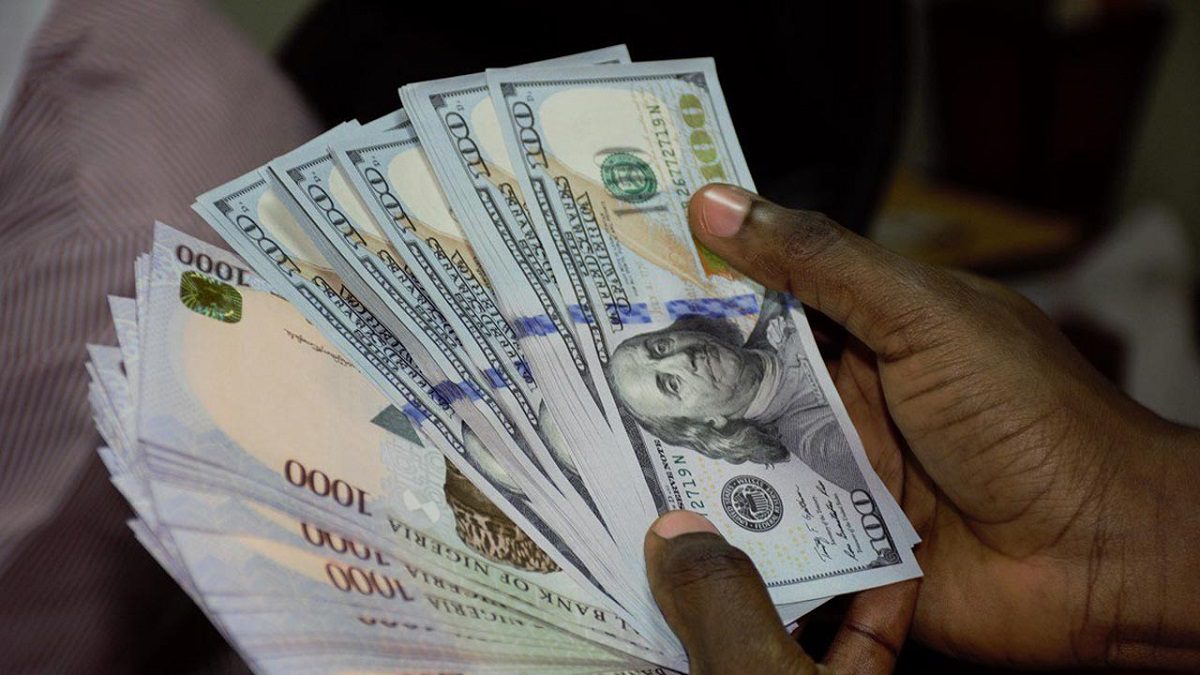

The Nigerian Naira remains in a familiar spot this Saturday, showing little to no movement while major foreign currencies continue to dominate activity in the parallel market. Any earlier hints of a shift in momentum have faded, leaving the currency stable, but without any real signs of improvement.
As of Saturday, April 18, 2026, black market rates show minimal changes:
US Dollar: ₦1,380 (Buying) / ₦1,400 (Selling)
Euro: ₦1,570 (Buying) / ₦1,600 (Selling)
British Pound: ₦1,780 (Buying) / ₦1,800 (Selling)
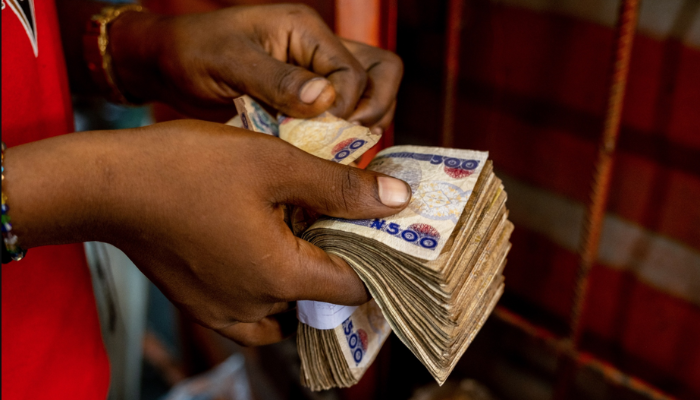
Rather than pushing upward, the Naira is largely maintaining its current levels, while the dollar, euro, and pound continue to hold their strength. This steady dominance leaves little room for the local currency to recover meaningfully.
The underlying problem remains the same—demand for foreign exchange continues to outpace supply. Until that imbalance is addressed, any upward movement for the Naira is likely to be short-lived or limited.
Market sentiment also reflects ongoing caution. Mixed policy directions and uncertainty continue to make investors and businesses hesitant, slowing down confidence and weakening the chances of sustained progress for the currency.
On a broader level, structural challenges are still at play. Heavy reliance on imports keeps demand for foreign currencies high, while insufficient export growth limits inflows. This imbalance continues to weigh heavily on the Naira.
For everyday Nigerians, the impact is still very real. The cost of goods and services remains elevated, putting pressure on household budgets and making daily living more expensive.
At this point, the narrative is no longer about volatility but stagnation. The Naira is holding steady, but without the strength to break forward, while foreign currencies remain firmly in control.