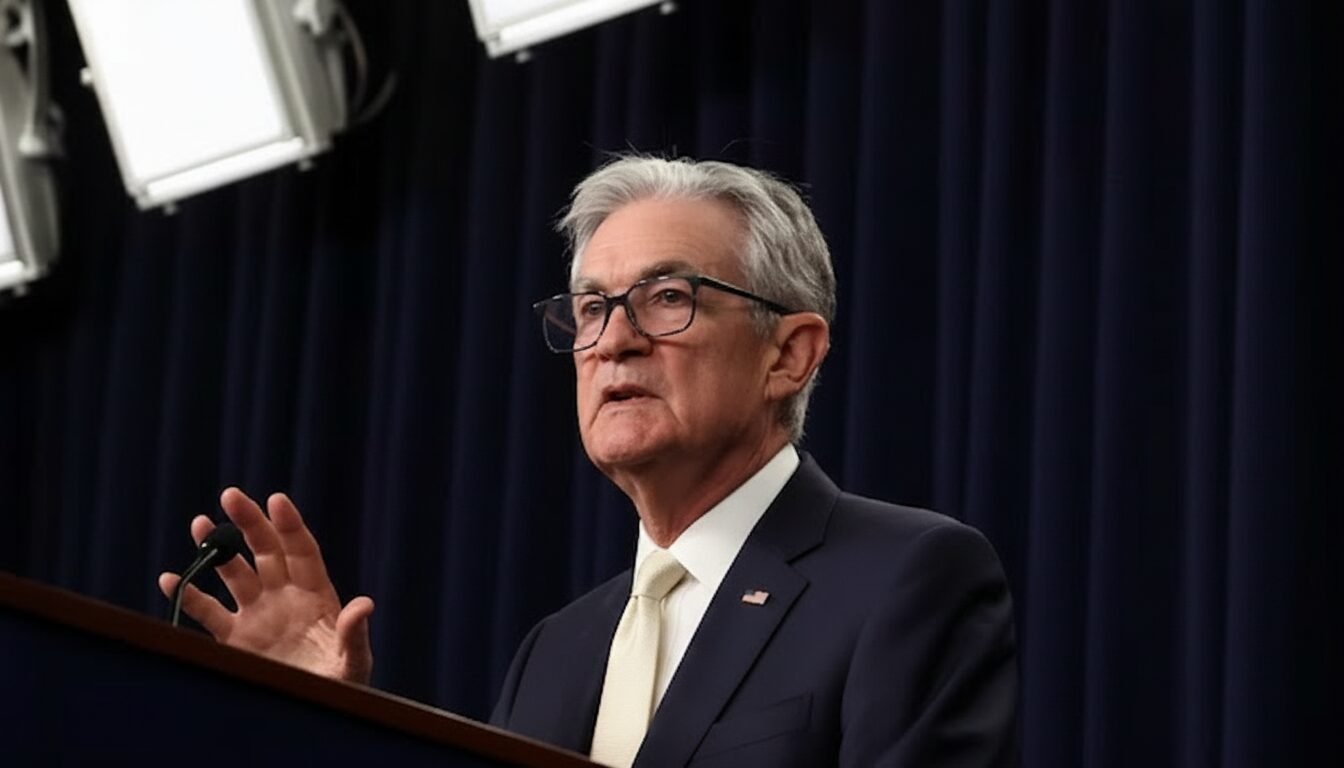
Back in March, Fed Chair Jerome Powell thought the war’s impact would be small and “temporary.” But ten weeks later, the “temporary” problem has become a permanent headache. Three top Fed officials, Beth Hammack, Lorie Logan, and Neel Kashkari, recently broke ranks to warn that the Fed needs to be honest with the public: interest rates might actually have to go up to stop inflation from spiraling out of control.
The “Broken” Supply Chain
It isn’t just about the price at the gas pump anymore. The Iran war has choked off the supply of essential materials that keep the world moving. Businesses are struggling to find fertilizer, aluminum, and helium. When these items become rare, they become expensive.
The “Global Supply Chain Pressure Index” just hit its highest level since the 2022 pandemic recovery. It’s getting harder and more expensive to move goods across the globe. Companies are now “hoarding” inventory and searching for new suppliers just to keep their doors open, costs that are eventually passed down to you.
The Danger of “Entrenched” Inflation
The biggest fear for the Fed is a psychological one. If Americans believe that prices will keep rising forever, they change how they spend money, which actually causes more inflation.
The Fed wants inflation at 2%. Currently, it’s stuck well above that. A key market measure of future inflation just hit a three-year high. This suggests that the “smart money” on Wall Street no longer believes the Fed can keep prices down. If the “dam breaks” and people lose faith in the dollar, the Fed will have to hammer the economy with high interest rates to fix it.
“The longer inflation remains above 2%, the greater the risk that it becomes entrenched… making it harder to achieve the goal.” Philip Jefferson, Fed Vice Chair.
The Fed is Trapped
The Fed is in a corner. Chair Powell wants to keep the markets happy by hinting at rate cuts, but the reality on the ground is ugly. Why Fed officials are growing anxious about the Iran war is because they know they can’t print more aluminum or fertilizer.
In my view, the “easing bias” (the talk of cutting rates) is a fantasy. If we continue to fund and fight a war that destroys global supply chains, the only tool the Fed has left is to make borrowing so expensive that the economy slows to a crawl. The officials who dissented aren’t “nervous,” they are being the only adults in the room. If the war doesn’t end soon, “higher for longer” won’t just be a slogan; it will be a painful reality for every American trying to buy a home or start a business.
With supply chains reaching a breaking point and war costs mounting, should the Fed stop dreaming of rate cuts and hike interest rates now to prevent a repeat of the 1970s inflation crisis?