Before Cesária Évora became an international music icon, Cape Verde’s musical traditions were largely unknown outside the small Atlantic archipelago. That changed in 1992 when her album Miss Perfumado introduced millions to the melancholic beauty of morna music.
The record became a major success across Europe, selling more than 500,000 copies in France alone, while Évora went on to become one of the best-selling African artists in the United States during the 20th century. Her smoky, emotionally rich voice brought global attention to morna — soulful ballads sung in Kriolu, a language blending Portuguese and West African influences.
More than a decade after her death, Évora’s influence continues to shape Cape Verdean music. A tribute concert at London’s Barbican next month will feature performances by singers including Mayra Andrade, Ceuzany, Elida Almeida, Lucibela and Teófilo Chantre.
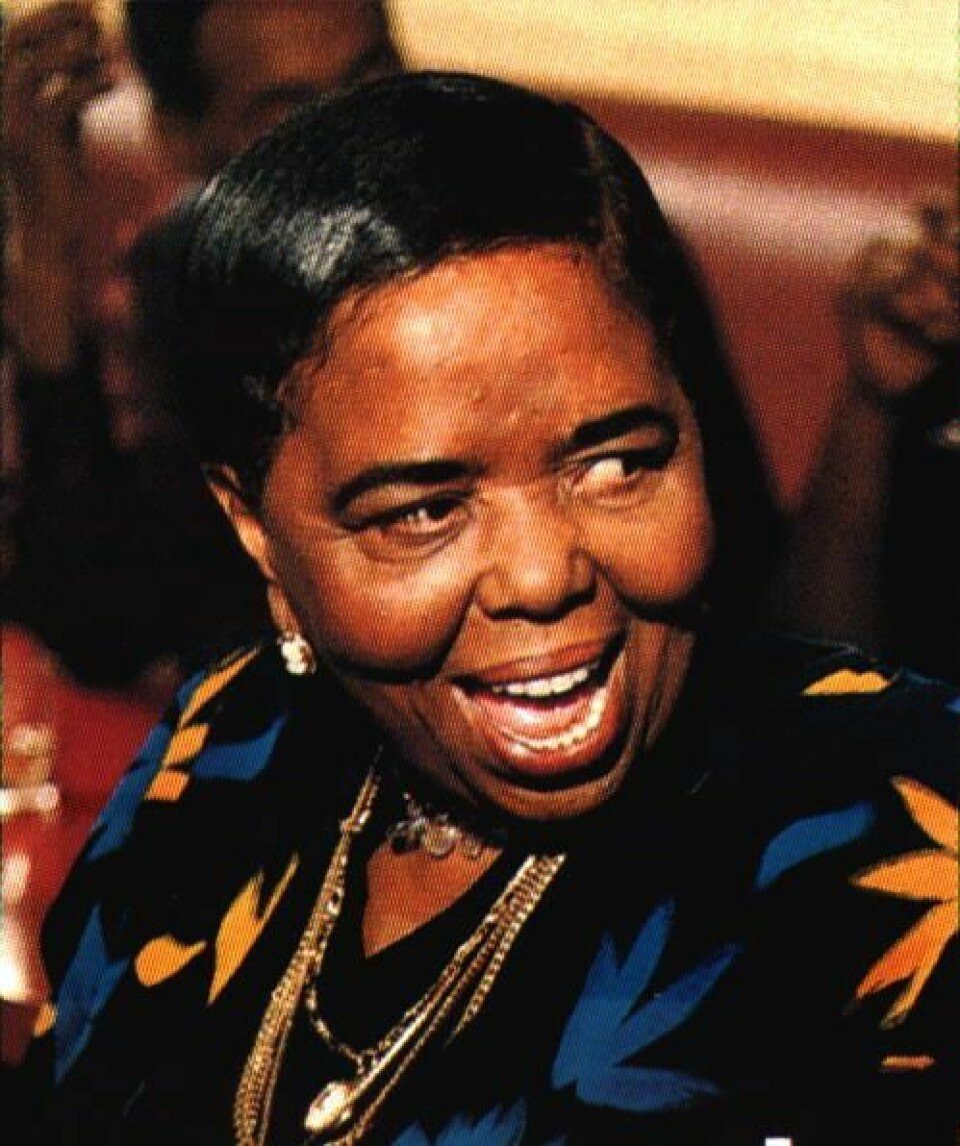
“These concerts honouring her are important,” Andrade said. “She put Cape Verde on the map and we Cape Verdeans are determined to keep her name and music alive.”
Évora’s rise to fame came late in life. Born in Mindelo on the island of São Vicente, she grew up in poverty after her father died and her mother struggled to provide for the family. At age 10, she was sent to an orphanage, while her music career began in bars during her teenage years.
Although some of her early recordings from the 1960s were released in the Netherlands, they failed commercially. By 1975, she stepped away from music while battling depression and alcoholism. She eventually returned to performing in the mid-1980s, thanks in part to morna singer Bana, who invited her to Lisbon to sing in his restaurant and record cassettes for Cape Verdean immigrants.
Her breakthrough came after Paris-based musician José da Silva discovered her performing in Lisbon in 1987. Inspired by her talent, he founded the Lusafrica label specifically to support her career.
After two albums with pop-oriented arrangements failed to gain traction, Évora insisted on a simpler acoustic sound for her 1991 album Mar Azul. The stripped-back style resonated with audiences and paved the way for the success of Miss Perfumado a year later.
Despite her global fame, Évora remained deeply grounded. In interviews, she dismissed suggestions that her trademark barefoot performances were symbolic activism.
“Why should I be surprised that people like my singing?” she once said. “In Cape Verde I was always asked to sing for the foreigners when they visited and they liked my singing; I knew if I could get to Europe people would appreciate me.”
She also revealed that after growing up without shoes, she simply found them uncomfortable later in life.
Success eventually allowed Évora to support relatives and friends, though she admitted fame arrived later than she would have preferred.
“I wish I had been recognised when I was younger as now I tour the world but I just want to go back to Cape Verde – I’m not interested in parties or glamour,” she said.
Although she travelled extensively, Évora maintained little interest in celebrity culture or luxury lifestyles.
“I’m not interested in London or New York or Paris. You have more resources than Cape Verde; beyond that we are all the same,” she remarked during one interview.
She also spoke candidly about disappointments earlier in her career, alleging she never received payment for some of her Lisbon recordings and expressing gratitude toward José da Silva for treating her fairly.
“God help me – no!” she joked when asked whether she still kept in touch with Bana.
Her difficult personal experiences — including failed marriages and the loss of one of her children — shaped her resilience. Younger artists such as Andrade remember her as warm, supportive, and honest.
“She was like a grandmother to me – a very generous, warm person,” Andrade recalled. “I first met her aged 12 and told her I was also a singer… and she encouraged me.”
Though Évora battled health challenges later in life, including a stroke and heart problems, she continued performing almost until her death in 2011 at age 70.
“She could never stop singing,” Andrade said. “Her energy was fading but her voice was still there.”
Today, Cape Verde continues to celebrate its legacy. Mindelo’s international airport now bears her name, while her music remains an enduring symbol of the country’s culture and identity.
Reflecting on one of Évora’s lessons, Andrade added: “She said, ‘if you are a singer, never forget the audience will decide if you go up or down’. Good advice.”