• Home
  • News
  • Entertainment
  • Tech
  • Fashion & Lifestyle
  • Food & Nutrition
  • Health
Federal Character
No Result
View All Result
Federal Character
  • Home
  • News
  • Entertainment
  • Tech
  • Fashion & Lifestyle
  • Food & Nutrition
  • Health
No Result
View All Result
Federal Character
No Result
View All Result
Hormuz Dry Run: Why the Next World War Starts in Malacca

Hormuz Dry Run: Why the Next World War Starts in Malacca

Eriki Joan UgunushebyEriki Joan Ugunushe
3 minutes ago
in Business & Finance
Reading Time: 2 mins read
A A
0
Facebook ShareWhatsapp ShareX Share

As the shipping crisis in the Strait of Hormuz continues to disrupt global energy markets, military and diplomatic eyes are shifting rapidly toward Southeast Asia. Guardians of the Strait of Malacca warn that the current chaos in the Middle East is merely a “dry run” for a far more catastrophic maritime showdown between the United States and China.

Table of Contents

Toggle
  • The Ultimate Chokepoint
  • The “Gatekeeping” Strategy
  • The Fragile Illusion of Global Freedom of Navigation

The Ultimate Chokepoint

While the Strait of Hormuz dominates current headlines, the Strait of Malacca represents an even tighter and more vital economic artery.

Flanked by Singapore, Indonesia, and Malaysia, the Strait of Malacca is roughly five times longer and ten times narrower than the Strait of Hormuz at its tightest bottleneck. The waterway carries more than a quarter of all global trade, serving as the primary highway linking the Indian and Pacific Oceans.
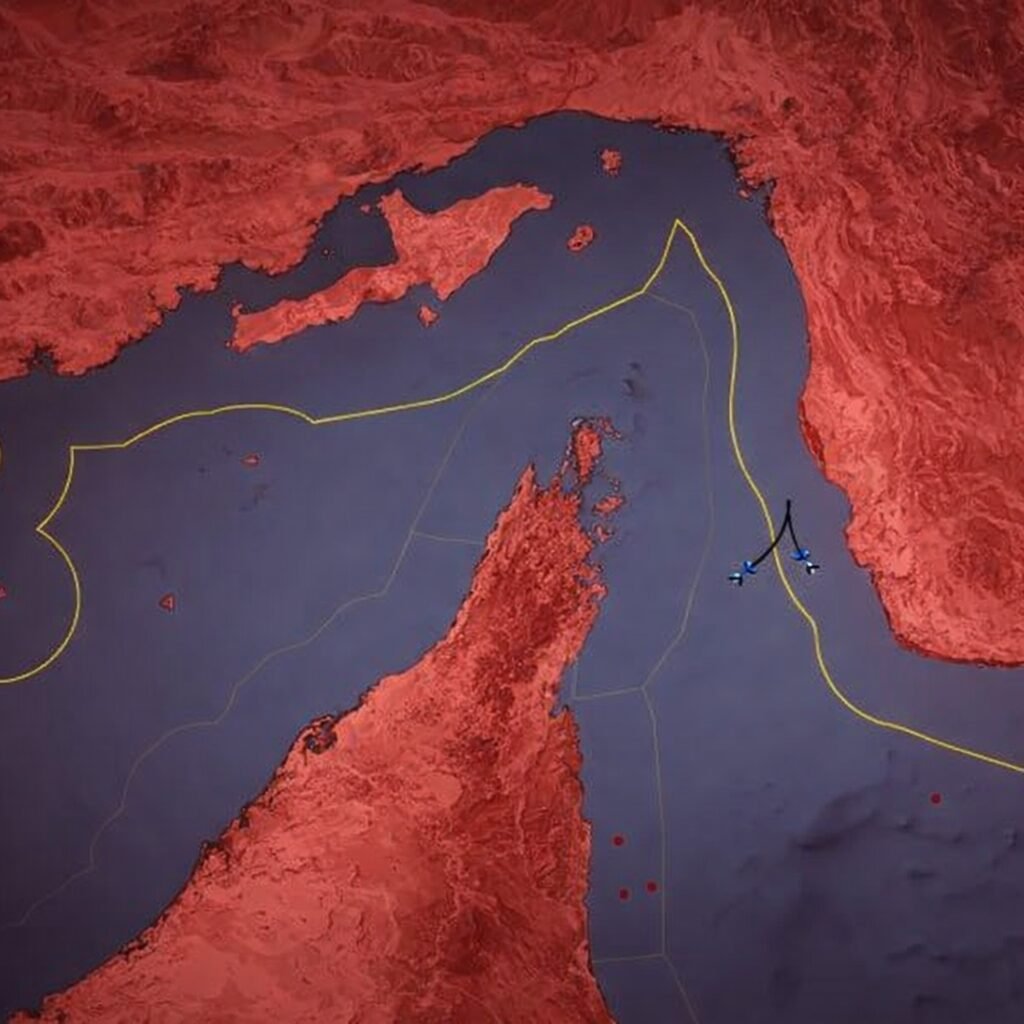
Hormuz Dry Run: Why the Next World War Starts in Malacca

It acts as the absolute energy lifeline for key U.S. allies, including Japan, South Korea, and the Philippines, while simultaneously carrying the vast majority of China’s crude oil imports.

The “Gatekeeping” Strategy

Military experts suggest that in the event of a Pacific conflict, the U.S. Navy’s 7th Fleet could quickly transition from patrolling the strait to running a restricted “gatekeeping” operation. According to retired Australian naval captain Sean Andrews, a wartime scenario would see the U.S. dictate exactly which ships are allowed through, forcing Chinese vessels onto costly, days-long detours around the Indonesian archipelago or through the Lombok Strait.

To counter this exact vulnerability, long termed the “Malacca dilemma” by Beijing leadership, China has spent decades aggressively trying to diversify its supply lines and modernize its navy, which is now the largest on earth.

The nations flanking the strait are pushing back heavily against being used as pawns in a superpower proxy war.

Singaporean Foreign Affairs Minister Vivian Balakrishnan explicitly stated that the region operates strictly on the U.N. Convention on the Law of the Sea (UNCLOS), emphasizing, “We will not participate in any attempts to close or interdict or to impose tolls in our neighborhood.”

Similarly, Malaysia and Indonesia have demanded a “watertight understanding” that no unilateral changes can be made to the waterway without local consent, actively shutting down a brief, controversial proposal by Indonesia’s finance minister to impose Iranian-inspired “toll booth” fees on passing vessels.

The Fragile Illusion of Global Freedom of Navigation

The idea that “freedom of navigation” can still be enforced by simply floating massive gunboats into contested waters is entirely shattered. The crisis in Hormuz proved that asymmetrical warfare can paralyze global trade, and applying that same strategy to a narrow strait like the Strait of Malacca is a recipe for an economic disaster.

The Strait of Malacca is the ultimate efficiency. The U.S. thinks it holds all the cards because its 7th Fleet has historically dominated the region, but using a vital global trade route as a “negotiating chip” or a military gatehouse is incredibly short-sighted.

If the U.S. attempts to choke off China’s oil supply, it won’t just cripple Beijing; it will cause a collapse of supply chains that affects everyone from tech manufacturers in San Francisco to textile creators worldwide. Singapore is acting as the adult in the room here by clinging to UNCLOS frameworks.


Tags: Businessfederal characterForeign NewsgovernmentHormuzMalaccaNewsWorld war
Share234SendTweet146
Eriki Joan Ugunushe

Eriki Joan Ugunushe

Eriki Joan Ugunushe is a dedicated news writer and an aspiring entertainment and media lawyer. Graduated from the University of Ibadan, she combines her legal acumen with a passion for writing to craft compelling news stories.Eriki's commitment to effective communication shines through her participation in the Jobberman soft skills training, where she honed her abilities to overcome communication barriers, embrace the email culture, and provide and receive constructive feedback. She has also nurtured her creativity skills, understanding how creativity fosters critical thinking—a valuable asset in both writing and law.

Related Stories

US Eyes Guyana’s Mineral Wealth As Interest In Latin America Grows

US Eyes Guyana’s Mineral Wealth As Interest In Latin America Grows

byAyobami Owolabi
0

The United States is stepping up efforts to explore business opportunities in Guyana’s mining and energy sectors as Washington increases its attention on Latin America’s natural resources. U.S....

Bed Bath & Beyond's Comeback Takes a New Turn: Co-Branded Stores

Bed Bath & Beyond’s Comeback Takes a New Turn: Co-Branded Stores

bySomto Nwanolue
0

Two years after its last stores closed, Bed Bath & Beyond is betting that nostalgia can fill the aisles. The retailer is entering the next phase of its...

Naira Opens May 16 Under Sustained Pressure as Dollar, Euro, and Pound Retain Market Dominance

Naira Opens May 16 Under Sustained Pressure as Dollar, Euro, and Pound Retain Market Dominance

byEriki Joan Ugunushe
0

The Nigerian Naira began trading on Saturday, May 16, 2026, with no clear signs of recovery, holding within familiar ranges in the parallel market as major foreign currencies...

UAE Ramps Up Second Pipeline Project To Reduce Hormuz Dependence

UAE Ramps Up Second Pipeline Project To Reduce Hormuz Dependence

byAyobami Owolabi
0

Abu Dhabi is pushing ahead with plans to fast-track construction of a new West-East oil pipeline to Fujairah as the United Arab Emirates seeks to strengthen its export...

Next Post
Xi's Double Game: Hosting Putin Days After Romancing Trump

Xi's Double Game: Hosting Putin Days After Romancing Trump

Leave a Reply Cancel reply

Your email address will not be published. Required fields are marked *

We bring to you precise and factual news

Recent Posts

  • Xi’s Double Game: Hosting Putin Days After Romancing Trump
  • Hormuz Dry Run: Why the Next World War Starts in Malacca
  • Trump Fails to Broker Deal as Massive NY Rail Strike Begins

Categories

  • Beauty
  • Business & Finance
  • Entertainment
  • Fashion & Lifestyle
  • Food & Nutrition
  • Government
  • Health
  • News
  • Politics
  • Sports
  • Tech

Weekly Newsletter

  • About
  • Advertise With Us
  • Cookie Policy

Copyright © FederalCharacter.com 2026 .

Welcome Back!

Login to your account below

Forgotten Password?

Retrieve your password

Please enter your username or email address to reset your password.

Log In
No Result
View All Result
  • Home
  • News
  • Entertainment
  • Tech
  • Fashion & Lifestyle
  • Food & Nutrition
  • Health

Copyright © FederalCharacter.com 2026 .