The United States is stepping up efforts to explore business opportunities in Guyana’s mining and energy sectors as Washington increases its attention on Latin America’s natural resources.
U.S. Under Secretary for Economic Affairs Jacob Helberg recently visited Guyana, where he met with President Irfaan Ali and other senior government officials to discuss possible areas of cooperation.
Guyana has become increasingly important on the global stage following major oil discoveries made over the last decade. The country also possesses significant bauxite reserves, a mineral widely used in aluminium production.
The growing international demand for energy and raw materials, intensified by the ongoing Iran-related global energy tensions, has further increased Guyana’s strategic value.
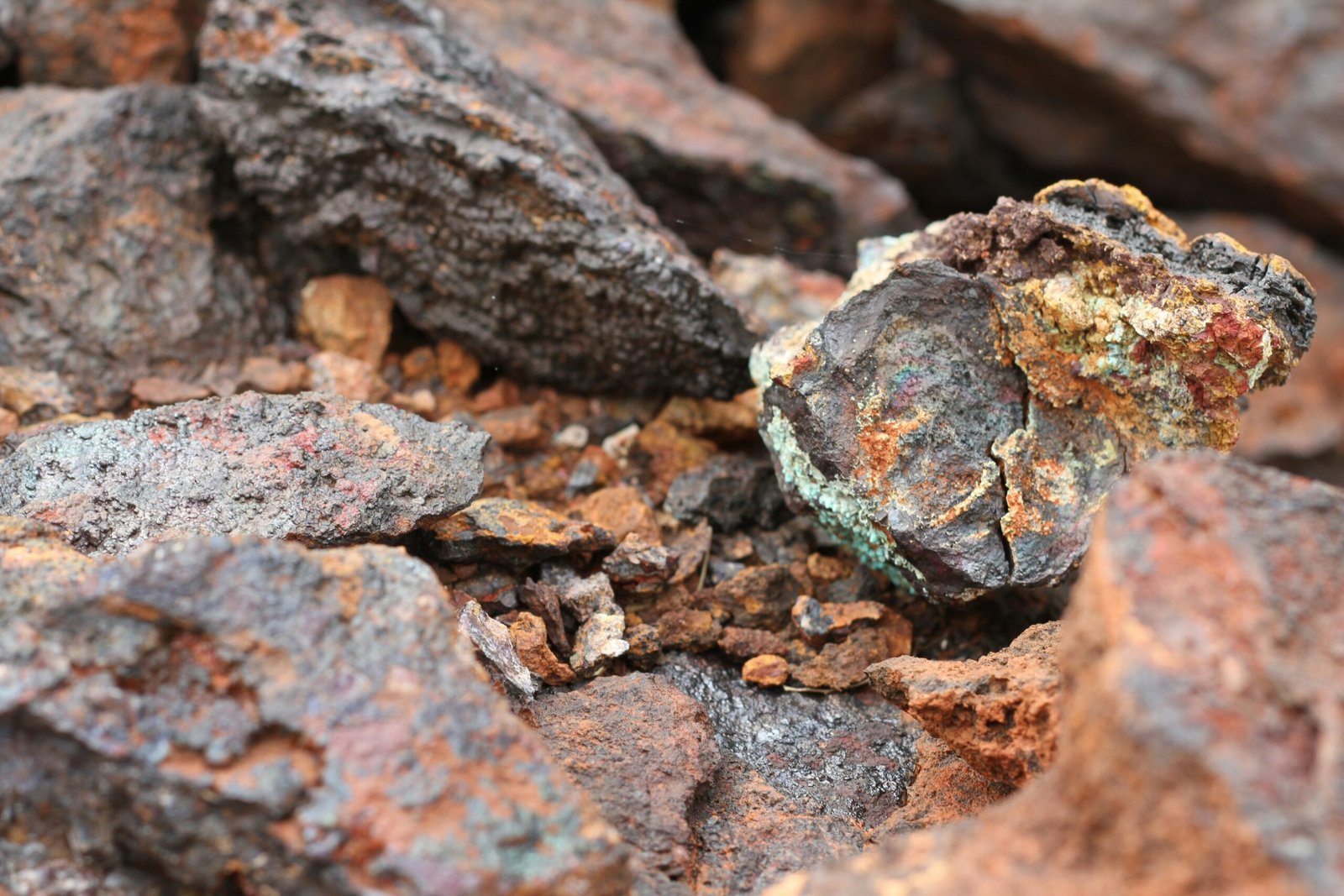
President Donald Trump’s administration has in recent months shown a stronger interest in securing access to resources across Latin America, including oil and critical minerals.
Benjamin Gedan, a senior fellow at the Stimson Center, said the region is attracting renewed global attention because of its energy potential.
“In times of global energy scarcity, there’s a great deal more focus on Latin America as an alternative stable source of supply,” he said.
“And Guyana is the leader of that story.”
The visit also comes amid growing concerns in Washington over China’s expanding economic presence in the region, particularly through infrastructure and mining deals.
Chinese companies have secured several major contracts in Guyana, with Bosai Minerals currently playing a dominant role in the country’s bauxite industry.
Helberg noted that the United States sees strong potential in Guyana’s mineral sector.
“Generally speaking, we both understand that Guyana is a country with a lot of natural resources,” he said.
He added that the U.S. could assist Guyana with advanced geological mapping to identify other untapped mineral resources for future development.
Jason Marczak of the Atlantic Council said the United States is now trying to strengthen partnerships in the region after years of allowing China to gain influence.
According to him, Guyana still maintains a strong relationship with Washington despite expanding ties with other countries.
“President Ali in particular is very close to the United States and in general recognizes the importance of the U.S. as a key partner for Guyana,” Marczak stated.
“That’s reflected by Helberg’s visit to Guyana.”
Guyana’s Foreign Secretary Robert Persaud also said the country is eager to attract more American investors to its mineral, oil, and gas sectors.
“The U.S. is our strategic partner and we made that clear to them but we would want value added to bauxite and other products. We are interested in processing and with improvements in energy generation,” he said.