As the shipping crisis in the Strait of Hormuz continues to disrupt global energy markets, military and diplomatic eyes are shifting rapidly toward Southeast Asia. Guardians of the Strait of Malacca warn that the current chaos in the Middle East is merely a “dry run” for a far more catastrophic maritime showdown between the United States and China.
The Ultimate Chokepoint
While the Strait of Hormuz dominates current headlines, the Strait of Malacca represents an even tighter and more vital economic artery.
Flanked by Singapore, Indonesia, and Malaysia, the Strait of Malacca is roughly five times longer and ten times narrower than the Strait of Hormuz at its tightest bottleneck. The waterway carries more than a quarter of all global trade, serving as the primary highway linking the Indian and Pacific Oceans.
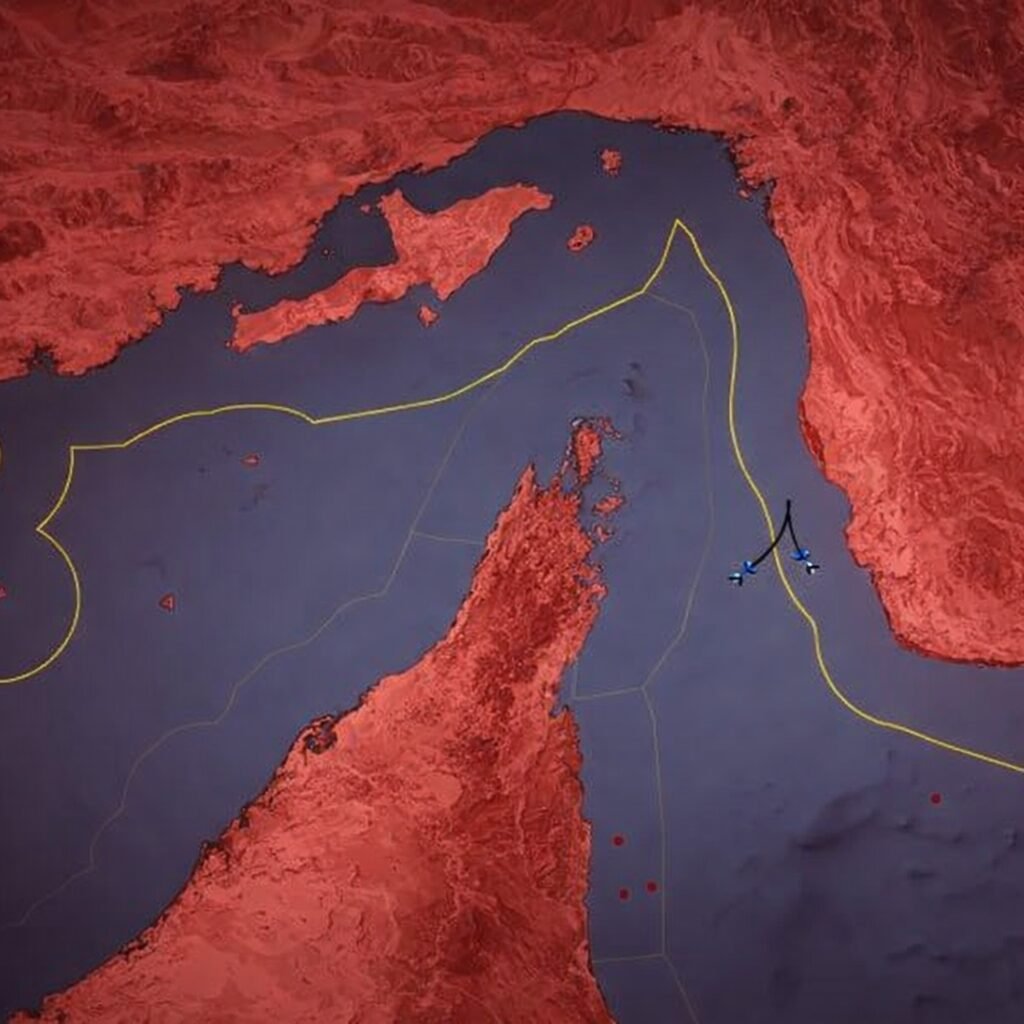
It acts as the absolute energy lifeline for key U.S. allies, including Japan, South Korea, and the Philippines, while simultaneously carrying the vast majority of China’s crude oil imports.
The “Gatekeeping” Strategy
Military experts suggest that in the event of a Pacific conflict, the U.S. Navy’s 7th Fleet could quickly transition from patrolling the strait to running a restricted “gatekeeping” operation. According to retired Australian naval captain Sean Andrews, a wartime scenario would see the U.S. dictate exactly which ships are allowed through, forcing Chinese vessels onto costly, days-long detours around the Indonesian archipelago or through the Lombok Strait.
To counter this exact vulnerability, long termed the “Malacca dilemma” by Beijing leadership, China has spent decades aggressively trying to diversify its supply lines and modernize its navy, which is now the largest on earth.
The nations flanking the strait are pushing back heavily against being used as pawns in a superpower proxy war.
Singaporean Foreign Affairs Minister Vivian Balakrishnan explicitly stated that the region operates strictly on the U.N. Convention on the Law of the Sea (UNCLOS), emphasizing, “We will not participate in any attempts to close or interdict or to impose tolls in our neighborhood.”
Similarly, Malaysia and Indonesia have demanded a “watertight understanding” that no unilateral changes can be made to the waterway without local consent, actively shutting down a brief, controversial proposal by Indonesia’s finance minister to impose Iranian-inspired “toll booth” fees on passing vessels.
The Fragile Illusion of Global Freedom of Navigation
The idea that “freedom of navigation” can still be enforced by simply floating massive gunboats into contested waters is entirely shattered. The crisis in Hormuz proved that asymmetrical warfare can paralyze global trade, and applying that same strategy to a narrow strait like the Strait of Malacca is a recipe for an economic disaster.
The Strait of Malacca is the ultimate efficiency. The U.S. thinks it holds all the cards because its 7th Fleet has historically dominated the region, but using a vital global trade route as a “negotiating chip” or a military gatehouse is incredibly short-sighted.
If the U.S. attempts to choke off China’s oil supply, it won’t just cripple Beijing; it will cause a collapse of supply chains that affects everyone from tech manufacturers in San Francisco to textile creators worldwide. Singapore is acting as the adult in the room here by clinging to UNCLOS frameworks.